What is the Best Hotel Management Software? A Deep Dive
What is the best hotel management software? This exploration delves into the multifaceted world of hotel management software, examining its crucial role in optimizing operations and enhancing guest experiences. From its historical evolution to the latest trends, we’ll unpack the key features, benefits, and considerations for choosing the ideal solution.
Various types of hotel management software exist, each tailored to specific needs. Property Management Systems (PMS) are fundamental, managing bookings, guest information, and room assignments. Central Reservation Systems (CRS) focus on handling reservations and distribution channels, while Revenue Management Systems (RMS) are designed to optimize pricing and maximize revenue. Understanding these differences is vital to selecting the right software for a hotel’s unique profile.
Introduction to Hotel Management Software: What Is The Best Hotel Management Software
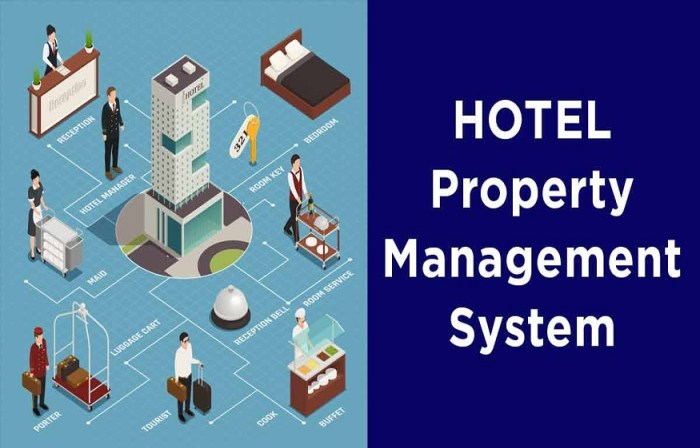
Hotel management software is a suite of applications designed to streamline and automate various aspects of hotel operations. It encompasses a wide range of functionalities, from guest management and reservation handling to financial accounting and revenue optimization. This comprehensive approach significantly improves efficiency and profitability for hotels of all sizes.
Hotel management software’s core functionalities vary based on the specific needs and size of the hotel. Basic systems might focus primarily on guest registration and room management, while more advanced solutions integrate with revenue management, sales, and marketing activities. This allows hotels to optimize their operations and cater to a wider range of guest preferences and expectations.
Key Functionalities of Different Types
Hotel management software encompasses a variety of features to cater to different aspects of hotel operations. Understanding these features is crucial for selecting the right software for a particular hotel. Property Management Systems (PMS) are fundamental for handling guest check-ins, room assignments, and other essential tasks. Central Reservation Systems (CRS) focus on managing online bookings and reservations. Revenue Management Systems (RMS) specializes in optimizing pricing and maximizing revenue through sophisticated algorithms.
Common Features Across Packages
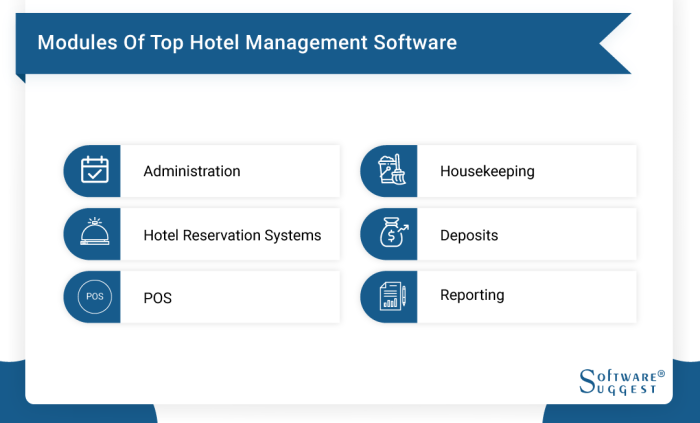
Across various hotel management software packages, certain common features emerge. These features are vital for hotels seeking streamlined operations and improved efficiency. Guest information management is a standard function, allowing hotels to store and access guest details easily. Room management is another crucial feature, enabling accurate room allocation and availability tracking. Financial management tools, including accounting and reporting, provide essential insights into the hotel’s financial performance. Finally, integration with other systems, such as point-of-sale (POS) and marketing platforms, enhances operational synergy and data flow.
Brief History of Evolution
The evolution of hotel management software mirrors the advancements in technology. Early systems were primarily manual or used basic computer applications. The advent of more powerful computing platforms and the internet led to the development of sophisticated software packages that could handle complex hotel operations. Today’s software solutions are highly integrated, offering real-time data access and comprehensive reporting capabilities. This constant evolution is crucial for hotels to remain competitive and responsive to evolving guest needs.
Comparison of Different Types
| Type | Description | Key Functionalities | Focus |
|---|---|---|---|
| Property Management System (PMS) | Manages guest check-ins, room assignments, and other essential aspects of guest stays. | Guest information, room management, housekeeping, and billing | Front-end operations |
| Central Reservation System (CRS) | Facilitates online bookings and reservations. | Booking management, inventory control, and guest communication | Online reservations and distribution |
| Revenue Management System (RMS) | Optimizes pricing and maximizes revenue through dynamic pricing strategies. | Demand forecasting, pricing optimization, and inventory control | Revenue maximization and profitability |
Factors to Consider When Choosing Hotel Management Software
Selecting the right hotel management software is crucial for optimizing operations and maximizing profitability. A poorly chosen system can lead to inefficiencies, errors, and ultimately, reduced revenue. This section explores the key factors to consider during the selection process, ensuring a smooth transition and long-term success.
Choosing the correct hotel management software is a significant investment. Carefully evaluating various factors, such as size and type of hotel, budget constraints, scalability, and integration capabilities, is vital for long-term success. Understanding these factors empowers hotels to select a solution that aligns with their specific needs and growth potential.
Hotel Size and Type
The size and type of your hotel significantly impact the features and functionalities required from the software. A small boutique hotel may only need basic room management and booking features, whereas a large resort hotel requires more sophisticated features for handling diverse guest needs, including complex reservations, multiple restaurants, and extensive amenities. Consider the unique demands of your establishment. This tailored approach will lead to a better user experience and maximize efficiency.
Budget Constraints
Budgetary limitations are a key factor in the software selection process. Hotels need to carefully evaluate the costs associated with software licenses, implementation, training, and potential future upgrades. This necessitates a clear understanding of your financial resources and identifying software options that fit within your budget without compromising essential features. Comparing different pricing models is essential for achieving the best value for your investment.
Scalability
Software scalability is a crucial consideration for future growth. As your hotel expands, the chosen system should be able to adapt to increased demand and data volumes. A scalable system allows for seamless expansion of features and functionalities, ensuring that your software continues to meet your needs as your hotel evolves. Failing to consider scalability can lead to costly upgrades and system limitations as the hotel grows.
User-Friendliness and Integration
User-friendliness and seamless integration with existing systems are paramount for efficient operations. A user-friendly interface minimizes training time and increases employee productivity. Efficient integration with existing property management systems (PMS), point-of-sale (POS) systems, and other crucial tools ensures data consistency and minimizes manual data entry, streamlining operations. A smooth transition is crucial to avoid operational disruptions.
Pricing Models
Hotel management software pricing models vary significantly, offering different options to suit diverse budgets and needs. These models can range from per-user pricing to subscription-based plans, each with its advantages and disadvantages. Thoroughly researching and comparing different pricing models allows hotels to choose the one that best aligns with their budget and expected usage.
Factors to Consider When Choosing Hotel Management Software
| Factor | Pros | Cons |
|---|---|---|
| Hotel Size and Type | Tailored solutions to specific needs, optimized for different operation sizes. | Potential for insufficient features in smaller hotels or complex features in large ones if not appropriately considered. |
| Budget Constraints | Affordability and cost-effectiveness. | Limited functionality or potential for needing future upgrades if a budget-friendly solution is selected, potentially incurring higher costs in the long run. |
| Scalability | Adaptability to future growth, allowing for easy expansion and adaptation. | Potentially higher initial investment for scalable solutions. |
| User-Friendliness and Integration | Efficient workflows, minimized training time, and data consistency. | Potential difficulties with integration with existing systems and potential for additional costs if integration is not well planned. |
| Pricing Models | A variety of options to suit different budgets. | Potential for hidden costs in some pricing models, requiring careful analysis to avoid unexpected expenses. |
Benefits of Using Hotel Management Software

Hotel management software is no longer a luxury but a necessity for modern hospitality businesses. It offers a wide range of benefits that significantly improve operational efficiency, guest satisfaction, and overall profitability. These systems are designed to streamline complex tasks, automate processes, and provide valuable data insights that allow for strategic decision-making.
Hotel management software empowers hotels to optimize their operations across all departments, from front desk to housekeeping and beyond. This optimization translates to better guest experiences, increased revenue generation, and improved staff productivity. The software acts as a central nervous system, connecting all aspects of the hotel’s operations and enabling efficient communication and resource allocation.
Streamlined Check-in/Check-out Processes
Automated check-in and check-out procedures are a key benefit of hotel management software. By automating these tasks, the front desk staff can focus on providing exceptional guest service. This results in faster processing times, reducing wait times for guests, and improving overall efficiency. Furthermore, the software ensures accurate record-keeping, minimizing errors and potential disputes. For instance, pre-populated guest information from prior stays and online bookings drastically speeds up the check-in process, leaving guests more satisfied and ready to enjoy their stay.
Enhanced Guest Communication
Hotel management software facilitates seamless guest communication, enhancing the overall guest experience. Guests can be easily informed about hotel amenities, special offers, and important information via email or text messages. Real-time updates on room availability and special events also help to enhance guest satisfaction. This proactive communication can lead to increased guest loyalty and positive reviews. For example, automated messages notifying guests about nearby attractions or restaurant recommendations can enhance their stay.
Improved Revenue Management
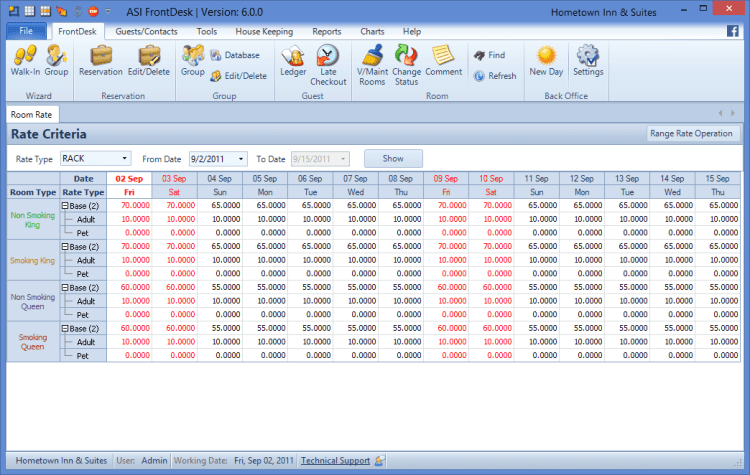
Hotel management software offers sophisticated tools for optimizing pricing and maximizing revenue. Dynamic pricing strategies, based on real-time demand and competitor analysis, help to maximize revenue potential. The software can analyze historical data to identify trends and predict future demand, allowing hotels to adjust pricing accordingly. Moreover, the software can track occupancy rates, identify underperforming periods, and recommend targeted promotions to improve revenue.
Optimized Inventory Management
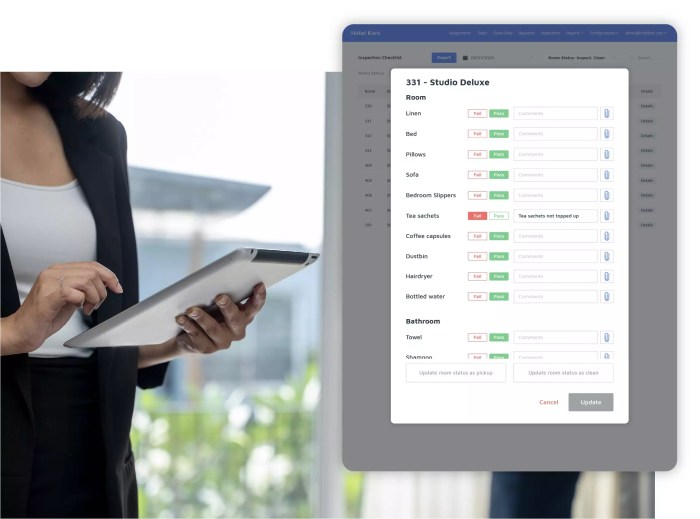
Effective inventory management is crucial for hotels. Hotel management software allows for real-time tracking of room availability, inventory levels of amenities (e.g., toiletries, linens), and supplies. This ensures that resources are effectively utilized and prevents overstocking or shortages. Detailed reports help hotels understand their inventory consumption patterns and adjust purchasing strategies to minimize waste and optimize costs.
Enhanced Staff Management
Staff management is streamlined with hotel management software. Scheduling, time tracking, and payroll processing can be automated, freeing up staff time to focus on guest service. The software can also track employee performance, enabling managers to identify areas for improvement and provide targeted training. The software helps to ensure compliance with labor regulations, reducing administrative burdens for hotel staff.
Departmental Benefits of Hotel Management Software
| Department | Benefits |
|---|---|
| Front Desk | Faster check-in/check-out, improved guest communication, enhanced revenue management through accurate data |
| Housekeeping | Automated room assignments, improved inventory management of supplies, streamlined cleaning schedules |
| Sales & Marketing | Real-time occupancy data, revenue management insights, improved customer relationship management (CRM) |
| Finance | Automated invoicing, accurate financial reporting, improved revenue management, and inventory management |
Key Features of Effective Hotel Management Software
Source: amazonaws.com
Effective hotel management software is crucial for streamlining operations and maximizing profitability. It empowers hotels to efficiently manage various aspects, from reservations and guest services to financial reporting and staff scheduling. These systems are designed to integrate seamlessly with existing processes, automating tasks and providing valuable insights into hotel performance.
Accurate Guest Data Management
Accurate guest data management is fundamental to a successful hotel operation. This involves collecting, storing, and accessing guest information securely and efficiently. Comprehensive profiles that include preferences, past stays, and special requests enable personalized services and improve the guest experience. Data accuracy ensures efficient communication, streamlined check-in/check-out procedures, and targeted marketing campaigns. A robust system also allows for the secure storage and retrieval of sensitive guest information, complying with data privacy regulations.
Real-Time Reporting and Analytics
Real-time reporting and analytics provide critical insights into hotel performance. These systems track key metrics, such as occupancy rates, revenue, and customer satisfaction, enabling informed decision-making in real time. Hotels can identify trends, spot potential issues, and adjust strategies accordingly. This dynamic data allows for proactive management of resources, optimization of pricing, and targeted marketing efforts. For example, if occupancy rates are low during a specific week, management can adjust pricing or implement promotional campaigns to attract more guests.
Integrated Reservation Systems: What is the best hotel management software
Integrated reservation systems are essential for managing bookings effectively. These systems automate the process of receiving and managing reservations, ensuring accuracy and reducing errors. Real-time availability is critical for preventing double bookings and maximizing room utilization. Seamless integration with online booking channels further enhances the efficiency of the reservation process, connecting various platforms and ensuring a unified customer experience. Furthermore, it enables the tracking of reservations across multiple platforms, streamlining the overall booking management process.
Secure Payment Processing Capabilities
Secure payment processing capabilities are vital for ensuring smooth transactions and maintaining financial integrity. Modern hotel management software includes secure payment gateways that process various payment methods, from credit cards to digital wallets. This functionality protects sensitive financial data and ensures compliance with industry regulations and data security standards. Secure payment processing also facilitates accurate financial reporting, providing detailed transaction history and ensuring the integrity of the hotel’s financial records.
Robust Reporting and Analysis Tools
Robust reporting and analysis tools provide hotels with the ability to examine their performance across various dimensions. These tools generate comprehensive reports on key metrics, including occupancy rates, revenue, expenses, and customer feedback. Analysis of these reports allows hotels to identify areas for improvement, track progress toward business goals, and optimize operational efficiency. The insights gleaned from these reports are invaluable for strategic decision-making and long-term planning. For instance, analyzing customer feedback can highlight areas where service can be enhanced, ultimately leading to higher guest satisfaction.
Key Features and Functionalities
| Feature | Functionality |
|---|---|
| Accurate Guest Data Management | Secure storage and retrieval of guest information; personalized services; targeted marketing; efficient communication; streamlined check-in/check-out |
| Real-Time Reporting and Analytics | Tracking key metrics (occupancy, revenue, customer satisfaction); identification of trends and issues; proactive resource management; optimization of pricing; targeted marketing. |
| Integrated Reservation Systems | Automation of the reservation process; real-time availability; prevention of double bookings; maximization of room utilization; seamless integration with online booking channels; tracking of reservations across multiple platforms |
| Secure Payment Processing Capabilities | Secure processing of various payment methods; compliance with industry regulations and data security standards; accurate financial reporting; integrity of financial records |
| Robust Reporting and Analysis Tools | Comprehensive reports on key metrics (occupancy, revenue, expenses, customer feedback); identification of areas for improvement; tracking of progress toward business goals; optimization of operational efficiency; strategic decision-making and long-term planning |
Popular Hotel Management Software Solutions
Choosing the right hotel management software is crucial for optimizing operations and maximizing profitability. A well-chosen system streamlines tasks, improves guest experiences, and provides valuable data insights. This section explores several prominent solutions, examining their strengths, weaknesses, and key features.
Popular Hotel Management Software Providers
Several companies offer comprehensive hotel management software solutions. Understanding the strengths and weaknesses of each provider can significantly impact the success of your hotel’s implementation.
- Property Management Systems (PMS) like Opera and Micros: These solutions are known for their robust features and extensive functionalities, often tailored to the needs of larger hotels and chains. Opera, for example, is frequently used in high-volume, international hotel operations. Micros is another prominent provider offering a wide array of features, including guest management, reservations, and revenue management. A strength lies in their extensive feature sets for sophisticated hotels. A potential drawback could be a steep learning curve for smaller hotels or the cost of implementation and maintenance.
- Hospitality Management Software like HotelPro and HotelREZ: These systems are often favored by mid-sized hotels looking for a more streamlined solution than the larger PMS options. HotelPro, for example, is known for its user-friendly interface, making it more accessible for smaller teams. HotelREZ is another contender in this space, emphasizing flexibility and customization. An advantage is the tailored approach to the specific needs of mid-sized properties, often with a focus on smaller budgets. A possible limitation could be the breadth of functionalities compared to the enterprise-level PMS options.
- Cloud-Based Solutions: Cloud-based platforms like Rezlynk and Cloudbeds have emerged as powerful tools for hotels of all sizes. Their accessibility from anywhere with an internet connection and typically lower upfront costs can be very attractive. Rezlynk, for example, is gaining traction for its ease of integration with other tools. Cloudbeds provides a comprehensive suite of features for managing various aspects of a hotel. A benefit is the scalability for hotels with growing needs. A drawback could be dependence on reliable internet access.
Comparison of Key Features
Different software providers cater to various hotel types and sizes. Comparing their functionalities helps potential users select the best fit.
| Software Provider | Key Feature 1 (e.g., Channel Management) | Key Feature 2 (e.g., Revenue Management) | Key Feature 3 (e.g., Guest Communication) |
|---|---|---|---|
| Opera | Extensive channel integration | Advanced forecasting and pricing | Robust communication tools |
| Micros | Multi-property management | Real-time data analysis | Integrated communication platform |
| HotelPro | User-friendly interface | Simplified pricing and inventory | Basic guest communication |
| HotelREZ | Flexible configurations | Data-driven decision making | Personalized communication options |
| Rezlynk | Easy integration with other systems | Automated pricing strategies | Mobile-friendly guest interactions |
| Cloudbeds | Comprehensive suite of features | Real-time performance insights | Advanced guest engagement tools |
Case Studies of Successful Implementations
Successful implementations often depend on thorough planning and a clear understanding of the software’s capabilities.
A boutique hotel in Charleston, South Carolina, implemented Rezlynk and saw a 15% increase in online bookings within the first year. This success was attributed to the intuitive user interface and seamless integration with their existing website.
A large hotel chain in Europe utilized Opera to manage their global properties, resulting in a significant reduction in operational costs through automation.
User Experience and Ease of Use
The user experience significantly impacts the overall adoption and effectiveness of any software. The ease of use of the software and the training provided are essential aspects.
Many users report that Cloudbeds is easy to learn and use, particularly for smaller hotels with limited technical expertise.
Some users of Opera have noted that the extensive features can lead to a more complex initial learning curve. Comprehensive training materials and ongoing support are crucial.
Future Trends in Hotel Management Software

Source: prenohq.com
Hotel management software is constantly evolving to meet the dynamic demands of the hospitality industry. Emerging technologies are driving innovation, prompting changes in how hotels operate, interact with guests, and manage their resources. This evolution is critical for hotels to remain competitive in a rapidly changing market.
Impact of Mobile Technology
Mobile technology is revolutionizing hotel operations, empowering both staff and guests with convenient access to information and services. Increasingly, check-in and check-out processes are going mobile, streamlining the guest experience and reducing wait times. In addition, mobile payment options are gaining traction, offering guests greater flexibility and security. Staff benefit from mobile applications that provide real-time updates on room availability, guest requests, and maintenance needs, which enhances efficiency and responsiveness. Altogether, this shift toward mobile-first solutions marks a major trend in modern hotel management.
Role of Cloud-Based Solutions
Cloud-based hotel management software is becoming the norm. The benefits are substantial, encompassing scalability, accessibility, and cost-effectiveness. Hotels can access data and applications from anywhere with an internet connection, fostering flexibility for staff and remote management capabilities. Cloud-based solutions also allow for seamless integration with other business systems, further enhancing operational efficiency. This shift to the cloud facilitates real-time data sharing and collaboration among different departments, fostering greater synergy and improved decision-making.
Innovative Features in Future Software
Future hotel management software will likely incorporate more sophisticated features, designed to provide a superior guest experience and streamline operations. Expect to see more sophisticated AI-powered tools for personalized recommendations, dynamic pricing strategies, and predictive maintenance. These tools can significantly enhance the guest journey, optimizing services based on individual preferences and historical data. Integration with wearable technology, allowing guests to interact with hotel services through smartwatches or other devices, is another possibility.
Data Analytics for Decision-Making
Data analytics is becoming increasingly important for informed decision-making in the hospitality industry. Sophisticated data analysis tools within hotel management software can identify trends, patterns, and insights from guest data, enabling hotels to better understand their customers and tailor services accordingly. This can lead to targeted marketing campaigns, optimized pricing strategies, and improved resource allocation. Data analytics can reveal valuable insights into guest preferences, allowing hotels to enhance the guest experience and personalize offerings.
AI and Machine Learning
AI and machine learning are poised to transform hotel management. These technologies can automate tasks such as forecasting demand, optimizing pricing strategies, and personalizing guest experiences. AI-powered chatbots can provide instant guest support, answering queries and addressing concerns promptly. Machine learning algorithms can analyze guest data to predict future needs and preferences, enabling proactive service delivery. This automation and personalization will be critical in future hotel management software.
Projected Trends in Hotel Management Software (Next 5 Years)
| Trend | Description | Impact |
|---|---|---|
| Increased Mobile Integration | Enhanced mobile check-in/check-out, mobile payment options, and mobile access for staff to hotel operations. | Improved guest experience, increased efficiency, and enhanced operational flexibility. |
| Advanced Cloud-Based Solutions | More robust cloud platforms with enhanced security, scalability, and integration capabilities. | Better data accessibility, improved collaboration, and reduced IT infrastructure costs. |
| AI-Driven Personalization | Implementation of AI-powered tools for dynamic pricing, personalized recommendations, and predictive maintenance. | Enhanced guest experiences, improved operational efficiency, and optimized revenue generation. |
| Data-Driven Decision Making | More advanced data analytics tools and reporting features to facilitate actionable insights. | Improved strategic planning, enhanced customer understanding, and optimized resource allocation. |
| Enhanced Security Features | Emphasis on robust data security and compliance with industry regulations. | Ensuring guest data privacy and maintaining the integrity of hotel operations. |
End of Discussion
Ultimately, selecting the best hotel management software is a strategic decision that requires careful consideration of factors like hotel size, budget, and existing systems. Choosing the right software can significantly impact a hotel’s efficiency, guest satisfaction, and overall profitability. We’ve explored the key features, benefits, and implementation strategies, empowering readers to make informed decisions. The future of hotel management software promises exciting innovations, driven by technology trends like mobile apps, cloud solutions, and data analytics. Choosing the right software today will position hotels for success in the dynamic hospitality landscape.