What is the Best Hotel Credit Card to Have?
What is the best hotel credit card to have? This exploration dives into the world of hotel credit cards, unraveling the factors that contribute to the “best” card for any individual. We’ll cover everything from defining the best for *your* needs to comparing popular cards and evaluating their reward programs.
Choosing the right hotel credit card is more than just picking a pretty design; it’s about maximizing your travel rewards and benefits. Different cards cater to various travel styles and budgets. Whether you’re a frequent business traveler or a budget-conscious leisure traveler, this guide will help you navigate the options and find the card that aligns perfectly with your needs.
Defining “Best” for Hotel Credit Cards
Choosing the ideal hotel credit card depends heavily on individual travel habits and financial goals. A “best” card isn’t a one-size-fits-all solution; it’s tailored to maximize value for your specific needs. Understanding the key factors influencing your decision is crucial for finding a card that aligns with your travel style and spending patterns.
Identifying the best hotel credit card hinges on carefully evaluating various factors. These range from the card’s reward structure and travel benefits to the spending categories it emphasizes. Understanding these nuances empowers consumers to make informed decisions that align with their priorities.
Factors to Consider When Choosing a Hotel Credit Card
Several factors significantly influence a hotel credit card’s overall value proposition. These range from the rewards structure to the specific travel perks. Consumers should carefully weigh these factors to ensure they select a card that meets their unique needs.
- Reward Structures: Hotel credit cards often offer tiered reward programs based on spending. These programs might involve earning points or miles that can be redeemed for hotel stays, flights, or other travel experiences. Different cards offer varying redemption rates, making it essential to compare potential values before committing.
- Travel Benefits: Beyond rewards, some cards include perks like free checked bags, lounge access, or complimentary room upgrades. These benefits can substantially enhance the travel experience, adding significant value to the card’s overall utility.
- Spending Categories: Some cards provide enhanced rewards for specific spending categories, such as travel, dining, or gas. This targeted approach can be advantageous for individuals who frequently spend in these areas. These categories directly impact the card’s effectiveness, as higher rewards in your spending area directly increase the card’s value.
Reward Structure Examples and Value Propositions
Different reward programs offer diverse value propositions. Understanding these nuances helps in selecting a card that best fits individual needs.
- Points-based systems: Many cards award points redeemable for various travel experiences, including hotel stays, flights, and other travel-related purchases. The value of these points depends heavily on the redemption rate and the redemption options available.
- Miles-based systems: Some cards offer miles that can be redeemed for flights. This system can be highly valuable for frequent flyers who can accumulate miles quickly and redeem them for discounted or free flights. The value of these miles is directly linked to the airline partnerships and redemption options.
Impact of Spending Categories
The specific spending categories on a hotel credit card can greatly impact its effectiveness. This targeted approach enables users to maximize rewards based on their spending patterns.
| Factor Name | Description | Importance Level |
|---|---|---|
| Reward Structure | The system for earning and redeeming rewards (points, miles). | High |
| Travel Benefits | Additional perks like lounge access, complimentary upgrades. | Medium |
| Spending Categories | Specific categories where rewards are enhanced. | Medium-High |
Comparing Popular Hotel Credit Cards

Source: cloudinary.com
Choosing the right hotel credit card can significantly impact your travel rewards and expenses. This section delves into a comparative analysis of some of the most popular cards, highlighting their unique features and benefits. We’ll examine how these cards cater to various travel styles, from frequent business travelers to budget-conscious leisure travelers, and demonstrate how they can translate into real savings.
Top 5-10 Hotel Credit Cards
Several prominent hotel credit cards dominate the market, each boasting a specific set of benefits. Understanding the strengths and weaknesses of each card is crucial for making an informed decision.
- Luxury Hotel Rewards Cards: These cards often feature exclusive access to premium hotel amenities, concierge services, and potentially higher earning rates on hotel stays. Examples include cards tied to specific hotel chains (e.g., Marriott Bonvoy or Hilton Honors). They’re ideal for travelers seeking exceptional experiences and are willing to pay a premium for enhanced benefits.
- General Hotel Loyalty Cards: These cards offer a broader range of hotel partners, making them versatile for diverse travel needs. Points earned can be redeemed across a wider network of hotels, potentially increasing flexibility for travelers. These cards are suitable for those who travel frequently but don’t exclusively prefer one hotel chain.
- Business-Oriented Hotel Cards: These cards often come with perks tailored to business travel, such as increased earning rates on business-related expenses, or enhanced travel insurance coverage. They’re particularly useful for frequent business travelers needing to maximize expense reimbursements and optimize travel perks.
- Budget-Friendly Hotel Cards: These cards are designed for those seeking cost-effective travel rewards. While earning rates might be lower compared to luxury options, they often have competitive bonus offers, making them attractive for travelers seeking value without sacrificing travel rewards.
Card Feature Comparison
Evaluating the key features of different hotel credit cards is essential for discerning the most suitable card. This comparison highlights crucial elements for various travelers.
| Card Name | Earning Rate on Hotel Stays | Bonus Points/Miles | Redemption Options | Annual Fee | Best For |
|---|---|---|---|---|---|
| Marriott Bonvoy Boundless | High | Attractive bonus offers | Wide range of Marriott hotels | Moderate | Frequent Marriott travelers |
| Hilton Honors Aspire | High | Competitive bonus offers | A wide range of Hilton hotels | Moderate | Frequent Hilton travelers |
| World of Hyatt Credit Card | Good | Generous welcome bonus | Hyatt hotels and other partners | Low | Value-conscious Hyatt travelers |
| Choice Privileges Card | Moderate | Attractive welcome bonus | Choice hotels and select partners | Low | Budget-conscious travelers |
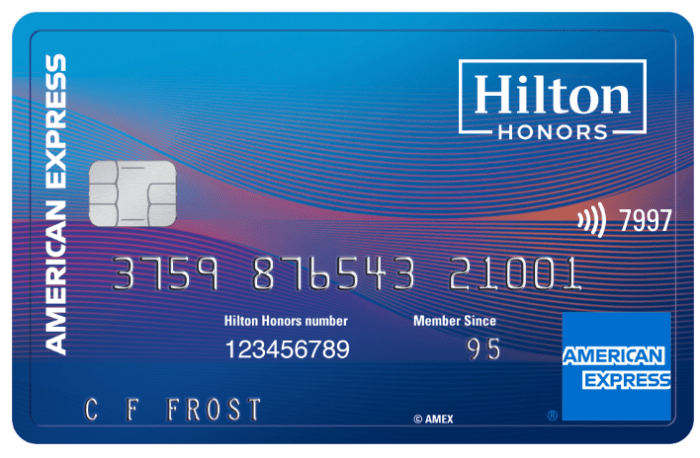
| American Express, Hilton Honors, Surpass | High | Significant bonus offer | Hilton hotels and other partners | Moderate | Frequent Hilton travelers seeking premium perks |
Potential Savings and Rewards
The value of hotel credit cards lies in their potential to generate savings and rewards. Careful consideration of earning rates, bonus offers, and redemption options is crucial for maximizing benefits.
- Increased Points and Miles: Higher earning rates on hotel stays directly translate into more rewards, allowing for more frequent and luxurious travel experiences.
- Redemption Flexibility: Wide redemption options across various hotel chains allow for greater freedom in choosing destinations and accommodation types.
- Exclusive Amenities: Luxury cards often provide access to exclusive hotel amenities and concierge services, elevating the overall travel experience.
Evaluating Card Rewards Programs
Hotel credit cards offer diverse reward programs, each with unique earning and redemption structures. Understanding these systems is crucial for maximizing the value of your card and choosing the best option for your travel needs. Different programs cater to various preferences, so comparing options based on your spending habits and travel style is vital.
Reward Structures
Hotel credit cards typically offer rewards in the form of points, miles, or cashback. Points and miles often function similarly, allowing you to accumulate and redeem for travel-related benefits. Cashback rewards, on the other hand, offer a straightforward return on your spending, typically in the form of a percentage of your purchases. Each structure has its advantages and disadvantages, and understanding the nuances is key to making informed decisions.
Earning Rates and Redemption Option: What is the best hotel credit card to have
The earning rates and redemption options significantly impact the value of the reward program. Earning rates differ between cards and often depend on spending categories. For instance, some cards offer higher earning rates on travel purchases, while others might focus on general spending. Redemption options vary greatly as well. Some programs offer direct redemption for hotel stays, flights, or other travel arrangements, while others require converting points or miles to different currencies or using them for other purposes, like merchandise or gift cards. A card offering high earning rates on specific spending categories might be more beneficial if you frequently make purchases in those areas.
Value of Points/Miles vs. Cash Value
The value of points and miles fluctuates based on redemption options and market conditions. Comparing the value of points/miles to cash is crucial for determining the true worth of a reward program. For instance, 10,000 points might be worth $100 if redeemed for a hotel stay at a specific location, but could be worth less if redeemed for a flight on a less-popular airline. The value is dynamic, so you must factor in redemption options and current market rates when evaluating the overall value. This often involves researching the best ways to redeem points for specific travel needs.
Pros and Cons of Each Reward System
Each reward system presents its own set of advantages and disadvantages. Points and miles systems offer flexibility in redeeming for various travel experiences, but they often require careful planning and potentially involve transferring points to partner programs. Cashback, conversely, provides a direct return on spending and straightforward redemption, but it might not offer the same level of flexibility or potential for significant travel savings. Cashback is often preferred by those seeking a simple return on their spending, whereas points/miles enthusiasts enjoy the potential for maximizing value through strategic planning.
Reward Program Comparison Table
| Card Name | Reward Type | Earning Rate (Example) | Redemption Options | Pros | Cons |
|---|---|---|---|---|---|
| Card A | Points | 1 point per $1 spent on travel | Hotels, flights, merchandise | Flexible redemption options | Potentially lower value than cash in certain scenarios |
| Card B | Miles | 2 miles per $1 spent on dining | Flights, hotels, car rentals | Wide range of travel partners | May require more effort to maximize value |
| Card C | Cashback | 1% cashback on all purchases | Direct cash back to your account | Simple and transparent redemption | Limited flexibility compared to points/miles |
Analyzing Card Benefits Beyond Rewards: What Is The Best Hotel Credit Card To Have

Beyond the enticing rewards programs, hotel credit cards often offer a range of supplementary benefits that significantly impact the overall value proposition. Understanding these additional perks is crucial in making an informed decision, as they can substantially enhance your travel experience and financial well-being.
These supplemental benefits, from travel insurance to airport lounge access, can often outweigh the perceived value of rewards alone, especially for frequent travelers or those prioritizing a seamless travel experience. They represent a valuable layer of protection and convenience, making these cards more than just a way to accumulate points.
Travel Insurance
Travel insurance is a frequently included benefit, offering coverage for unforeseen circumstances such as trip cancellations, delays, or medical emergencies. The scope of coverage, including the amount of trip cancellation or interruption insurance, and whether it covers medical expenses or lost baggage, varies greatly between cards.
- Some cards provide comprehensive coverage, potentially including coverage for medical expenses, lost baggage, and trip interruptions, while others offer more limited coverage. It is important to thoroughly review the policy details before a trip to ensure it aligns with your specific needs.
- Crucially, travelers should compare the policy limits, exclusions, and the specific situations covered, including coverage for medical emergencies and trip interruptions, to understand the extent of the insurance provided by different cards.
- For example, some cards might cover only a certain percentage of your trip costs, while others may cover the entire amount, depending on the specific circumstances of the cancellation.
Trip Protection
Trip protection, often bundled with travel insurance, extends beyond simple trip cancellation coverage. This can encompass additional features such as baggage delay or lost baggage coverage, ensuring a more robust safety net for your travel arrangements.
- The extent of trip protection varies considerably between cards, influencing the degree of financial security offered to travelers. Some cards may offer broader protection against unforeseen issues that arise during a trip, while others may provide more limited support.
- Comparing the details of trip protection is essential, as this aspect significantly affects the overall value of the card, especially for those who prioritize peace of mind during their travels. Carefully review the terms and conditions, including the limitations of the protection offered, before committing to a card.
Airport Lounge Access
Airport lounge access is another frequently included perk. These lounges provide a relaxing and comfortable environment for travelers to wait before their flights, offering amenities like complimentary food, beverages, and Wi-Fi.
- The quality and availability of lounge access vary significantly between different hotel credit cards. Some cards offer access to a wide network of lounges worldwide, while others may have more limited access or geographical restrictions.
- The value of airport lounge access is subjective, depending on the frequency of travel and the individual preferences. It can significantly enhance the travel experience for those who value comfort and convenience during their airport stays. Consider the frequency of your flights and your personal preferences for amenities when evaluating this benefit.
Other Perks
Other benefits, such as concierge services, discounts on hotel stays, or preferred booking rates, can be substantial value adders.
- Concierge services, when offered, provide personalized assistance with travel arrangements, including recommendations for dining, activities, and other services, enhancing the travel experience.
- Discounts or preferred booking rates on hotel stays are often a key component of hotel credit cards, providing potential savings for frequent travelers or those planning extended stays.
Comparative Table of Travel Insurance and Other Benefits
| Hotel Credit Card | Travel Insurance Coverage | Trip Protection | Airport Lounge Access | Other Perks |
|---|---|---|---|---|
| Card A | Comprehensive, covers trip interruption, medical expenses | Extensive, including baggage delay, lost luggage | Access to a global network of lounges | Concierge service, preferred booking rates |
| Card B | Limited, primarily trip cancellation | Basic, limited baggage delay coverage | Access to select lounges in certain regions | Discounts on partner hotels |
| Card C | Standard, covers trip cancellation, medical expenses (up to a limit) | Moderate, covers lost baggage, delays (with restrictions) | Limited access to specific partner lounges | No additional perks |
Note: This table provides a general comparison. Specific details may vary based on the card’s terms and conditions.
Understanding Annual Fees and Card Costs
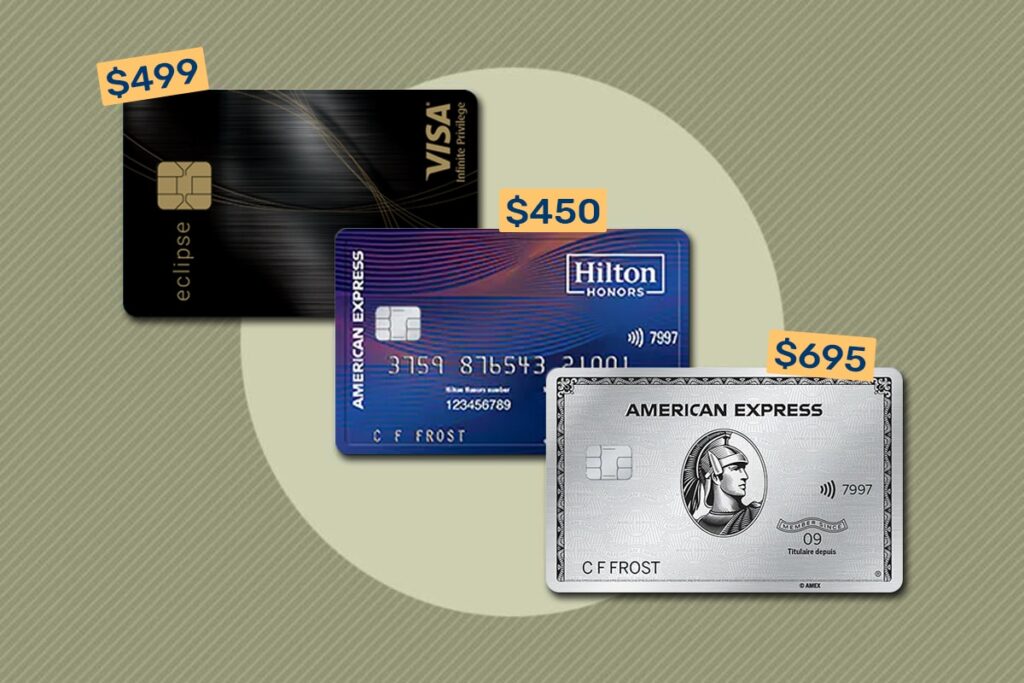
Choosing a hotel credit card involves weighing rewards against the cost. Annual fees are a significant factor in determining the overall value of a card, often dictating whether a card’s benefits outweigh its expense. Understanding these fees and their implications is crucial for making an informed decision.
Annual fees, a recurring charge levied for the privilege of using a particular card, directly impact the card’s cost-effectiveness. These fees can vary substantially between cards, influencing the long-term financial implications of using the card. Hidden costs beyond the annual fee, like foreign transaction fees or balance transfer charges, can further complicate the equation.
Annual Fee Structures and Their Impact
Annual fees vary widely depending on the card’s features and benefits. Some cards have no annual fee, while others charge substantial fees. The amount of the annual fee should be carefully evaluated against the potential rewards and perks. A card with a high annual fee might offer substantial rewards and travel benefits, justifying the expense for high-spending travelers. Conversely, a card with a low or no annual fee may be suitable for travelers who don’t require extensive rewards or benefits.
Examples of Cards with Varying Annual Fees and Benefits
Several hotel credit cards showcase a spectrum of annual fees and corresponding benefits. For instance, the “Luxury Traveler” card might charge a higher annual fee but offer elite status at luxury hotel chains, complimentary upgrades, and exclusive access to events. In contrast, the “Budget-Friendly Traveler” card might have a lower annual fee, providing basic rewards and discounts at select hotels. It’s important to note that the benefits offered by a card should be tailored to individual travel habits and preferences.
Hidden Costs and Fees
Beyond the annual fee, be aware of potential hidden costs. Foreign transaction fees can significantly impact the value of rewards when traveling internationally. Balance transfer fees may apply if you transfer existing credit card balances. Understanding these additional fees is vital to avoid unexpected expenses. For example, a card offering generous points for hotel stays could be rendered less attractive by high foreign transaction fees.
Comparative Analysis of Hotel Credit Cards
The following table provides a simplified comparison of various hotel credit cards, highlighting their annual fees, rewards programs, and key benefits. It is crucial to note that this table represents a simplified overview, and specific terms and conditions should be reviewed on the card issuer’s website.
| Card Name | Annual Fee | Rewards Program | Key Benefits |
|---|---|---|---|
| Luxury Traveler | $150 | Earn 10x points at hotels, 5x on dining | Elite status at luxury hotel chains, complimentary upgrades, and exclusive access |
| Budget-Friendly Traveler | $0 | Earn 2x points at hotels | Basic rewards, discounts at select hotels |
| Global Explorer | $95 | Earn 3x points at hotels, 1x on all other purchases | Worldwide travel benefits, lounge access |
Individualized Card Recommendations
Choosing the ideal hotel credit card is a deeply personal decision. Your travel habits, spending patterns, and desired perks significantly impact the optimal card selection. This section delves into personalized recommendations, tailored to various travel styles, to help you find the card that best suits your needs.
Understanding your unique travel profile is key to selecting the most advantageous card. Factors like frequency of stays, preferred hotel chains, and spending amount during each trip influence the best rewards structure for you. This section provides personalized examples and a structured flow chart to guide you through the process of selecting the perfect card.
Travel Frequency and Spending Habits
Travel frequency and spending patterns directly impact the value of a hotel credit card. A card offering significant rewards for frequent stays might be ideal for a frequent traveler, while a card emphasizing perks for occasional luxury stays might suit a less frequent but high-spending traveler.
- High-Frequency Travelers: Frequent travelers, say those booking accommodations at least once a month, benefit most from cards with high earning rates on hotel stays, often with no minimum spending requirements. These cards allow for a rapid accumulation of points, enabling easier redemption for travel. Examples include cards offering bonus points on every stay, regardless of the hotel chain, providing value for frequent travel to different locations.
- Occasional High-Spenders: Individuals who occasionally book high-value hotel stays may prefer cards offering significant rewards for a single large purchase. These cards may offer greater benefits for a specific period of travel, such as a luxury vacation, rather than for frequent, smaller purchases. Consider cards that offer bonus points for stays at specific luxury hotel chains or stays above a certain amount. This approach ensures the reward structure aligns with the infrequent but high-value travel experiences.
- Budget Travelers: Budget-conscious travelers might prioritize cards with lower annual fees and potentially more flexible redemption options. Some cards offer good rewards on hotel stays, but with a smaller reward structure. These cards offer significant value for the lower cost of lodging.
Desired Benefits Beyond Rewards
Beyond rewards, consider other benefits a hotel credit card may offer. Factors like complimentary airport lounge access, travel insurance, or concierge services can be substantial for certain travel styles.
- Business Travelers: Business travelers frequently need access to airport lounges or enhanced customer service. Cards with these benefits can provide a substantial advantage in terms of convenience and comfort during business trips. These benefits may outweigh the rewards earned on hotel stays. Consider cards with free airport lounge access, expedited check-in/check-out options, or priority customer service.
- Luxury Travelers: Luxury travelers often value exclusive experiences and services. Cards that provide complimentary upgrades, exclusive access to events, or special perks at high-end hotels can be a significant draw. Consider cards that offer access to elite hotel programs, exclusive concierge services, or complimentary upgrades at certain hotel chains.
Personalized Flow Chart
The ideal hotel credit card selection is a personal journey, influenced by numerous factors. The following flow chart guides users toward the optimal choice based on their profiles.
| Travel Frequency | Spending Pattern | Desired Benefits | Recommended Card Type |
|---|---|---|---|
| Frequent (Monthly) | Moderate | Rewards & Lounge Access | High-earning rewards card with lounge access |
| Occasional (Quarterly) | High | Luxury Amenities | High-end hotel chain card with exclusive perks |
| Infrequent (Yearly) | Low | Convenience | A card with flexible redemption options |
The table provides a simplified overview. A more detailed flow chart would involve additional criteria, such as preferred hotel chains and desired spending thresholds. Consult the specific card terms and conditions for comprehensive information.
Summary
Ultimately, the “best” hotel credit card is highly personalized. This comprehensive guide has presented the crucial factors to consider, from reward structures and annual fees to the specific benefits each card offers. By carefully evaluating your travel habits, spending patterns, and desired perks, you can confidently select a card that will not only enhance your hotel stays but also yield significant rewards in the long run.