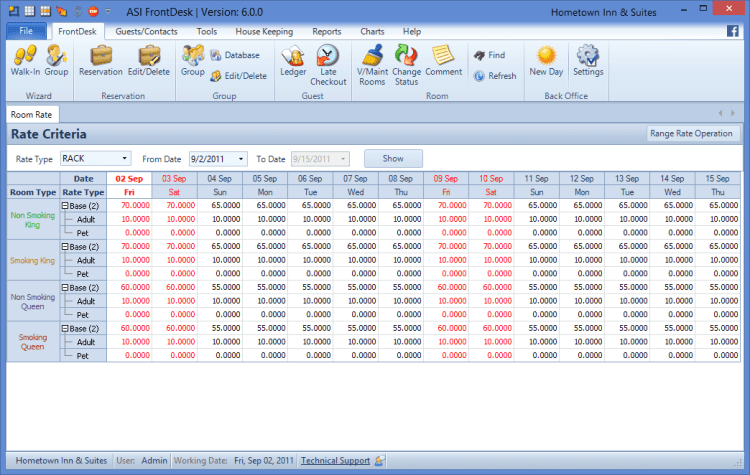
The Best Hotel App Your Ultimate Guide
The best hotel app is your key to seamless travel planning, from finding the perfect accommodation to booking your ideal stay. This comprehensive guide dives deep into what truly makes a hotel app stand out, exploring everything from essential features to advanced functionalities, user experience, and future trends. We’ll compare popular apps and uncover the hidden gems that cater to every traveler’s needs, whether you’re a budget-conscious backpacker, a luxury-seeking connoisseur, or a family on an adventure.
We’ll examine the crucial elements that define the best hotel apps, evaluating them across key areas like user interface, booking processes, payment security, customer support, and overall performance. We’ll also look at mobile-first design, analyzing how these apps adapt to different devices and screen sizes, and highlight the impact of emerging technologies on the future of hotel app development. This exploration will help you navigate the ever-expanding world of hotel apps, ensuring you choose the one that best fits your travel style and needs.
Defining “Best” Hotel App
A “best” hotel app transcends simple functionality; it’s a meticulously crafted experience tailored to diverse user needs. It caters to the varying preferences of budget travelers, luxury seekers, and families, recognizing their distinct requirements and expectations. This involves more than just booking; it encompasses a seamless journey from initial search to post-stay feedback.
The optimal hotel app goes beyond basic features. It prioritizes user experience, making the process intuitive and enjoyable. This means intuitive navigation, clear presentation of information, and responsiveness that anticipates user needs. Ultimately, the best app fosters a positive relationship with users, creating loyalty and repeat business.
Defining User Perspectives
Different user groups have varying priorities when choosing a hotel app. Budget travelers, for example, will value competitive pricing, filters for deals and discounts, and transparent cost breakdowns. Luxury travelers, on the other hand, will seek premium features like curated recommendations for high-end accommodations, personalized concierge services, and detailed property descriptions emphasizing amenities and exclusivity. Families will prioritize features such as family-friendly accommodations, kid-friendly amenities, and options for connecting with other family members during the booking process.
Evaluating App Quality
Several key metrics define a high-quality hotel app. Ease of use is paramount, with a clean, intuitive interface and quick access to essential information. Features should align with user needs, providing comprehensive options for searching, filtering, comparing, and booking. The app’s performance should be consistent, ensuring fast loading times, reliable functionality, and seamless navigation across different devices. User experience encompasses not only technical aspects but also the overall impression the app creates. This includes the visual appeal, clarity of information presentation, and responsiveness to user actions.
Analyzing User Feedback
User reviews and ratings offer valuable insights into a hotel app’s strengths and weaknesses. Positive reviews often highlight features like intuitive navigation, helpful customer service, and accurate information. Conversely, negative reviews may pinpoint issues such as slow loading times, confusing interface elements, or inaccurate details about hotel amenities. Thorough analysis of these reviews is crucial for identifying areas for improvement and enhancing the app’s overall quality. The volume and sentiment of reviews can reveal a general trend of user satisfaction.
Comparing Hotel App Categories
| Category | Focus | Key Features | Examples |
|---|---|---|---|
| Booking | Facilitating hotel reservations | Search filters, comparison tools, secure payment gateways, booking confirmations, and integration with payment systems. | Booking.com, Expedia, Hotels.com |
| Loyalty | Rewarding repeat customers | Points accumulation, exclusive offers, personalized recommendations, and access to VIP services. | Hilton Honors, Marriott Bonvoy |
| Concierge | Providing personalized assistance | 24/7 support, recommendations for local activities, restaurant reservations, and transportation arrangements. | The Leading Hotels of the World, Virtuoso |
This table illustrates the distinct functionalities of various hotel app categories. Each type of app plays a specific role in the user experience, from facilitating bookings to providing exclusive rewards or personalized assistance. A comprehensive hotel app ecosystem could combine features from each category for a more holistic experience.
Key Features of Top Hotel Apps
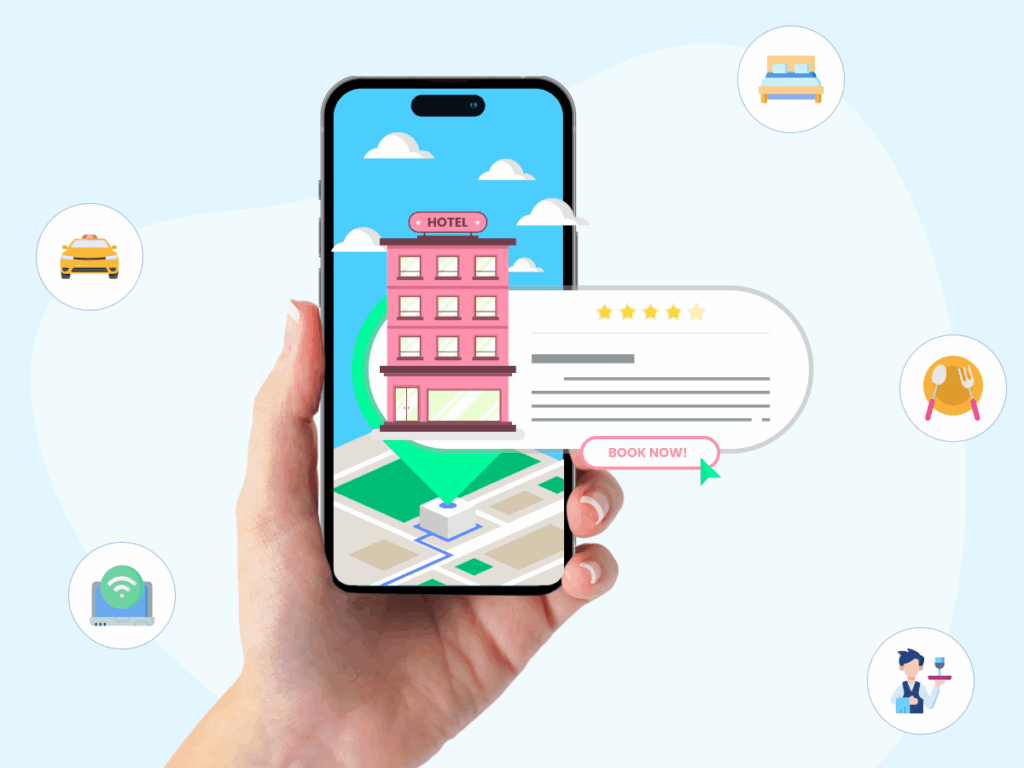
A well-designed hotel app is crucial for a seamless booking and stay experience. These apps act as a central hub, allowing users to research, book, and manage their accommodations efficiently. Modern hotel apps are more than just booking tools; they provide a comprehensive suite of features to enhance the entire travel journey.
Top-rated hotel apps prioritize user-friendliness and intuitive navigation. This facilitates a smooth and enjoyable experience for users, regardless of their technical proficiency. A carefully crafted interface minimizes confusion and allows users to quickly access the information they need.
Essential Features
The core functionalities of a successful hotel app often include a robust search engine. This allows users to filter options based on various criteria, such as location, price range, amenities, and star rating. A comprehensive search engine streamlines the selection process, enabling users to find the ideal accommodation quickly. In addition to this, the app should provide clear and detailed information about each hotel. This includes accurate descriptions, high-quality images, and guest reviews. Accurate pricing and availability are paramount, ensuring transparency and avoiding potential surprises.
User-Friendly Interfaces and Intuitive Navigation
A user-friendly interface is vital for a positive user experience. Intuitive navigation ensures that users can easily find the information they need without difficulty. Well-structured menus, clear categorization of hotels, and simple filtering options contribute to a streamlined experience. The layout should be responsive and adaptable across different devices, from smartphones to tablets. Effective use of visuals, such as high-quality images and videos, further enhances the appeal and understanding of the app.
Advanced Features
Some hotel apps incorporate advanced features that elevate the user experience. These features can include personalized recommendations based on past bookings or user preferences. Integration with other travel services, such as flight booking or transportation, is another valuable feature. The integration allows for a streamlined travel planning process. Furthermore, real-time chat support or dedicated customer service portals can provide immediate assistance to users encountering issues. Features like in-app messaging with hotel staff can facilitate smooth communication.
Comparison of Booking Platforms
Different booking platforms within the hotel app ecosystem exhibit variations in their functionalities. Some platforms focus on a broad range of hotels, while others specialize in budget-friendly options or luxury accommodations. The available features and functionalities vary between platforms. Certain platforms might offer exclusive deals or partnerships with specific hotels, whereas others emphasize a wider selection of options. Comparing functionalities allows users to select the platform that best meets their needs.
Mobile-First Design
The prevalence of mobile devices necessitates a mobile-first design approach for hotel apps. This ensures that the app is optimized for smaller screens and touch interactions. Mobile-first design is paramount to a positive user experience. Responsive design ensures that the app adapts seamlessly to different screen sizes and resolutions. This enhances the overall user experience, regardless of the device used. A mobile-first design also considers the speed and performance of the app on various devices, ensuring a seamless and efficient experience.
App Functionality and User Experience
A well-designed hotel app streamlines the entire booking process, offering a personalized experience and fostering customer trust. The ease of use, combined with robust security features and comprehensive customer support, is re crucial factor in a successful hotel application.
Booking Process
The booking process within a hotel app is typically intuitive and straightforward. Users can browse hotels by location, amenities, price range, and other criteria. Specific hotel details, including room types, images, and reviews, are readily accessible. Users can select their desired dates, room count, and guests. The app then facilitates the selection and confirmation of the chosen hotel and room, and the user can proceed to the payment stage. A clear summary of the booking is presented before final confirmation, ensuring transparency and reducing errors.
Personalized Recommendations
Hotel apps leverage user data, such as past bookings, preferences, and browsing history, to provide personalized recommendations. This might include suggesting hotels in similar locations with comparable amenities or highlighting deals and promotions tailored to the user’s interests. For instance, a user who frequently books family-friendly resorts in the Mediterranean might receive recommendations for similar hotels during their next browsing session. Such personalized recommendations can significantly enhance the user experience, leading to more informed and satisfying booking decisions.
Secure Payment Gateways
Secure payment gateways are paramount in a hotel app. These gateways utilize industry-standard encryption protocols to protect sensitive financial information, ensuring that credit card details and other payment data remain confidential. Users can be assured that their financial transactions are handled with the utmost security, a crucial aspect for building trust and confidence in the application. Popular payment gateways, such as Stripe or PayPal, are commonly used to provide this secure transaction processing.
Customer Support Options
A comprehensive customer support system is essential in a hotel app. Popular options include live chat, email, and phone support. Live chat allows for immediate assistance with any queries or issues, while email provides a convenient channel for detailed inquiries. Phone support offers direct interaction with a customer service representative for complex problems or urgent situations. Detailed FAQs (Frequently Asked Questions) are often available within the app, providing self-service support options.
User Interaction
| Interaction Type | Description |
|---|---|
| Booking | Users browse, filter, select hotels and rooms, enter guest details, and confirm bookings. |
| Payment | Users input payment information, which is processed through a secure payment gateway. Verification steps and confirmations are critical to prevent fraud. |
| Communication | Users can contact customer support via live chat, email, or phone. They can also access FAQs and review past bookings. |
App Performance and Reliability
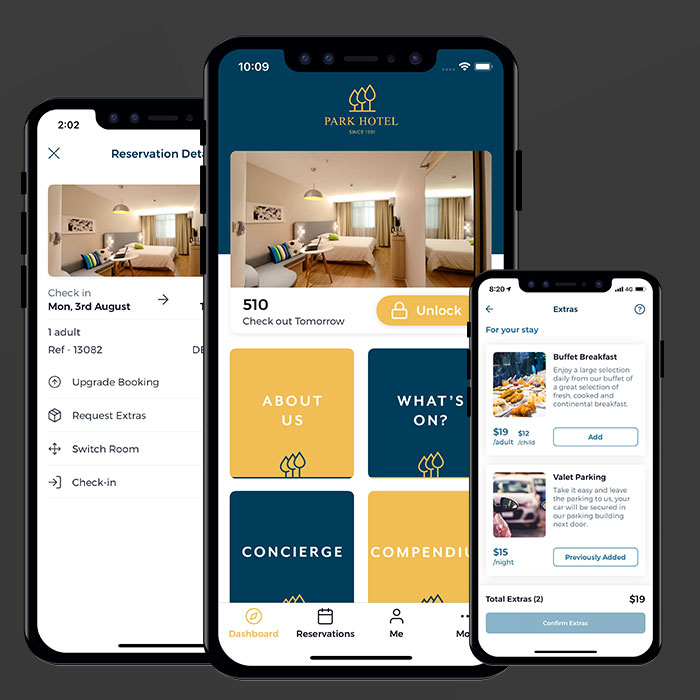
Source: googleapis.com
A smooth and reliable hotel app is crucial for a positive user experience. Users expect quick loading times, consistent functionality, and minimal errors. Performance issues can lead to frustration and ultimately impact user satisfaction and potentially, bookings. A well-performing app instills trust and confidence in the hotel brand.
Importance of App Speed and Responsiveness
Fast loading times and quick responses to user actions are paramount for a positive user experience. A laggy app can deter users from completing desired tasks, such as searching for rooms, booking, or accessing hotel information. This leads to a negative perception of the hotel and its services. Users appreciate immediate feedback and actions within the app. A seamless and responsive experience enhances the overall satisfaction and engagement.
Impact of App Stability and Reliability on User Satisfaction
App stability and reliability directly correlate with user satisfaction. Frequent crashes, errors, or unexpected behavior erode user trust. A consistent and stable app fosters confidence, assuring users that the app will function as expected. This reliability is a key element in building user loyalty.
Impact of App Updates and Maintenance on User Experience
Regular app updates and maintenance are essential for ensuring a smooth user experience. Updates often incorporate bug fixes, performance enhancements, and new features, which significantly improve functionality and responsiveness. Proper maintenance also addresses security vulnerabilities, preventing potential data breaches and maintaining user data integrity. Neglecting updates can lead to a degraded user experience and increased security risks.
Strategies to Address Potential App Issues and Errors
Addressing potential app issues proactively is critical for maintaining a positive user experience. Implementing robust testing procedures and utilizing user feedback are crucial. Proactive monitoring of app performance metrics, such as response times and error rates, allows for the timely identification and resolution of issues. Effective communication with users regarding app updates and maintenance schedules is also vital. This approach builds trust and transparency, minimizing user frustration.
Performance Metrics for Assessing a Hotel App
Evaluating app performance requires careful consideration of various metrics. These metrics provide valuable insights into the app’s efficiency and reliability.
| Metric | Description | Importance |
|---|---|---|
| Load Time | The time it takes for the app to load initial screens and respond to user inputs. | A crucial metric reflecting the app’s responsiveness. Short load times enhance user experience. |
| Response Time | The time taken to execute a specific task, such as searching for rooms or making a booking. | Directly impacts user satisfaction and engagement. Fast response times are vital for user retention. |
| Error Rate | The frequency of errors or crashes encountered by users. | A significant indicator of app stability. Low error rates are essential for user trust. |
| Crash Rate | The frequency of app crashes during usage. | Indicates app stability and robustness. Low crash rates are vital for a positive user experience. |
| User Feedback | User reports of issues, suggestions, and overall satisfaction. | Provides crucial insights into areas needing improvement and identifies potential issues before they impact a large number of users. |
| Battery Consumption | The amount of battery power the app uses during operation. | Crucial for mobile users. Minimizing battery consumption extends app usability. |
Mobile-First Design and Features
A mobile-first design approach is crucial for a successful hotel app. Today, a significant portion of users access hotel services primarily through their smartphones and tablets. A mobile-optimized app provides a seamless experience, allowing users to effortlessly manage bookings, check in, and interact with hotel services from anywhere.
A well-designed mobile-first app anticipates user needs and delivers a highly intuitive experience. This approach not only caters to the prevalent mobile usage but also fosters a sense of trust and convenience, ultimately leading to higher user satisfaction and engagement.
Importance of Mobile-First Design
A mobile-first approach prioritizes the design and functionality of the app on smaller screens. This ensures optimal user experience across various devices and screen sizes. It forces designers to focus on simplicity and efficiency, resulting in an app that is both user-friendly and highly functional.
Mobile-Specific Features
Several mobile-specific features enhance user engagement and streamline the hotel experience. Push notifications, for instance, can alert users about important updates, such as changes to their booking or special offers. Location services allow users to find nearby hotels, locate their booked hotel, and access nearby amenities with ease. Real-time location updates enable accurate navigation to hotel facilities, minimizing travel time and maximizing the experience.
Mobile Technologies
Modern hotel apps leverage various mobile technologies to improve functionality and user experience. Responsive design ensures the app adapts seamlessly to different screen sizes, from smartphones to tablets and desktops. Progressive Web Apps (PWAs) offer a hybrid approach, combining the benefits of web apps and native apps for a richer user experience. Cloud-based technologies enable real-time data synchronization and updates across multiple devices, ensuring data consistency and reliability.
Adapting Across Devices
The design of a mobile-first hotel app must be adaptable to different screen sizes and devices. This ensures a consistent user experience regardless of the device used. Employing responsive design principles allows the app to adjust its layout and content dynamically, maintaining readability and functionality on various screens. Testing the app across different screen resolutions and devices ensures a seamless experience for users on all platforms.
Comparison of Popular Hotel Apps
A multitude of hotel booking apps cater to diverse traveler needs. Understanding the strengths and weaknesses of different platforms is crucial for selecting the most suitable option. This comparison examines prominent apps like Booking.com, Expedia, and Hotels.com, focusing on key features, pricing models, and unique selling propositions.
A comparative analysis of these apps allows travelers to make informed decisions, optimizing their search and booking experience. The distinctions between pricing strategies and available features will be highlighted to assist in identifying the app best suited to individual travel preferences.
Key Features Comparison
Various hotel booking apps offer a range of features. This section details the key features available across Booking.com, Expedia, and Hotels.com, providing a comprehensive overview.
- Search and Filtering: Each platform allows users to refine their search by various criteria such as location, price range, amenities, star rating, and guest preferences. Booking.com excels in providing a vast selection of accommodation types and destinations, while Expedia boasts comprehensive filtering options for specific travel needs. Hotels.com, while offering robust search functionalities, may not have the same depth of filters for niche interests.
- User Interface and Experience: The user interface (UI) and user experience (UX) of each app vary. Booking.com generally provides a straightforward and intuitive design. Expedia’s interface is more complex, offering advanced search options but potentially requiring more time to navigate. Hotels.com offers a user-friendly interface, although its features may not be as extensive as Booking.com or Expedia.
- Customer Support: Each app provides customer support channels, including phone, email, and live chat. Booking.com generally receives high praise for its prompt and efficient customer support. Expedia’s customer support system is reliable but might not be as instantly responsive as Booking.com’s. Hotels.com’s support channels are generally sufficient but may not be as extensive as those of the other two.
Pricing Models
Pricing models vary across hotel booking apps, often influencing the overall cost of a booking.
- Booking.com: Booking.com often offers competitive pricing, frequently featuring special deals and discounts, though these may not always be immediately apparent. The platform’s pricing is generally transparent, displaying prices including taxes and fees.
- Expedia: Expedia employs a complex pricing model, potentially incorporating dynamic pricing based on demand. While Expedia might display attractive prices, hidden fees or additional costs could impact the overall booking price.
- Hotels.com: Hotels.com’s pricing model often emphasizes deals and promotional offers, particularly for frequent users or those booking in advance. The platform might feature exclusive deals that other competitors do not.
Detailed Feature Comparison
The following table provides a concise overview of the features offered by each platform.
| Feature | Booking.com | Expedia | Hotels.com |
|---|---|---|---|
| Accommodation Variety | High | High | High |
| Filtering Options | Good | Excellent | Good |
| Deals and Promotions | Good | Good | Good |
| User Interface | Intuitive | Complex but detailed | User-friendly |
| Customer Support | Excellent | Good | Good |
Unique Selling Propositions
Each platform possesses unique characteristics that differentiate it from its competitors.
- Booking.com: Its vast selection of accommodations and competitive pricing are key differentiators. Booking.com frequently offers deals and promotions, providing value for money.
- Expedia: Expedia’s advanced search filters and extensive travel-related services (flights, car rentals) are key strengths. Its detailed insights into various destinations are beneficial.
- Hotels.com: Hotels.com’s frequent promotions and deals, particularly for repeat users, are notable. Its user-friendly interface makes it accessible to a wide range of users.
Future Trends in Hotel Apps: The Best Hotel App
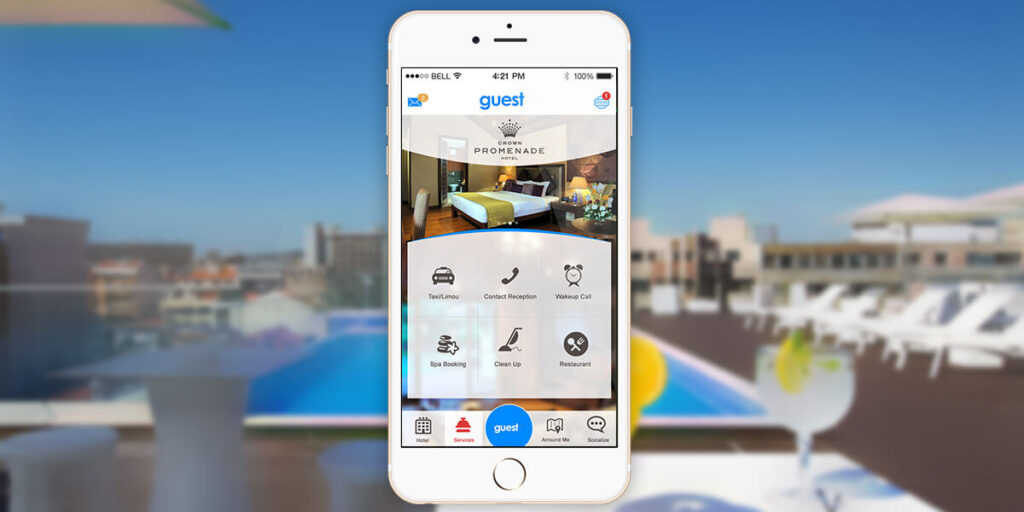
Hotel apps are constantly evolving to meet the changing needs of travelers. This evolution hinges on leveraging emerging technologies and adapting to evolving user expectations. The future of hotel apps promises a more seamless and personalized experience, driven by innovation and a commitment to enhancing the entire travel journey.
Advancements in Hotel App Technology
The future of hotel apps will be defined by advancements in technology, resulting in a more sophisticated and intuitive experience for users. This includes improvements in app performance, greater integration with other travel services, and enhanced functionalities. For example, apps may incorporate real-time dynamic pricing adjustments, allowing users to respond quickly to fluctuating rates. Moreover, enhanced search filters and more granular property data will further refine the booking process.
Evolution of Mobile-First Designs
Mobile-first design principles will continue to shape the future of hotel apps. This means designing apps with a focus on ease of use and accessibility on various mobile devices. Hotels will likely focus on creating apps with a more responsive layout, allowing users to navigate information efficiently on any screen size, from smartphones to tablets. The design will also prioritize intuitive navigation and visually appealing interfaces.
Integration of Emerging Technologies
Emerging technologies like AI, AR, and VR will significantly impact hotel apps. AI-powered chatbots can provide instant support and personalized recommendations, while AR can offer virtual tours of hotel rooms and amenities. VR can potentially provide immersive experiences, allowing users to virtually explore the hotel environment and its surroundings.
Personalized Recommendations and User Profiles, The best hotel app
Future hotel apps will prioritize personalization. By leveraging user data, including past bookings and preferences, apps can offer tailored recommendations and experiences. This will enhance the overall user experience, making the booking process more engaging and relevant to individual needs. For example, if a user frequently books rooms with specific amenities, the app can proactively suggest similar accommodations in the future.
Improving the Booking Process with Emerging Technologies
The booking process can be significantly improved through the integration of emerging technologies. AI-powered chatbots can assist users in real-time, answering questions and addressing concerns efficiently. AR can provide a more immersive experience, allowing users to visualize the hotel room’s layout or explore nearby attractions before booking. This leads to a more informed and confident booking decision. For example, a user might use AR to virtually place furniture in a room to see how it looks before making a final decision.
Closing Summary
In conclusion, the best hotel app goes far beyond simply booking a room. It’s a sophisticated tool that seamlessly integrates into your travel journey, offering personalized recommendations, secure transactions, and exceptional customer support. By understanding the key features, user experience, and performance metrics, you can choose the perfect app to enhance your travel planning. From budget travelers to luxury seekers, this guide equips you with the knowledge to find the ideal hotel app, ensuring a smooth and enjoyable travel experience.