Best Hotel PMS Systems A Deep Dive
The best hotel PMS systems are crucial for modern hospitality. They streamline operations, boost revenue, and enhance the guest experience. This comprehensive guide explores various PMS types, their features, benefits, and considerations for implementation. We’ll examine the strengths and weaknesses of cloud-based versus on-premise systems, highlighting key features like online booking, guest management, and revenue optimization. Understanding these systems is vital for hotels seeking to maximize efficiency and profitability.
Choosing the right PMS involves more than just functionality. Budget, scalability, and integration with existing systems are all critical factors. This analysis will delve into the specific needs of different hotel types, from boutique hotels to luxury resorts. We’ll also present case studies of successful implementations, providing practical insights and lessons learned. The future of hotel PMS systems, incorporating AI and mobile technologies, is also explored, offering a forward-looking perspective.
Introduction to Hotel PMS Systems
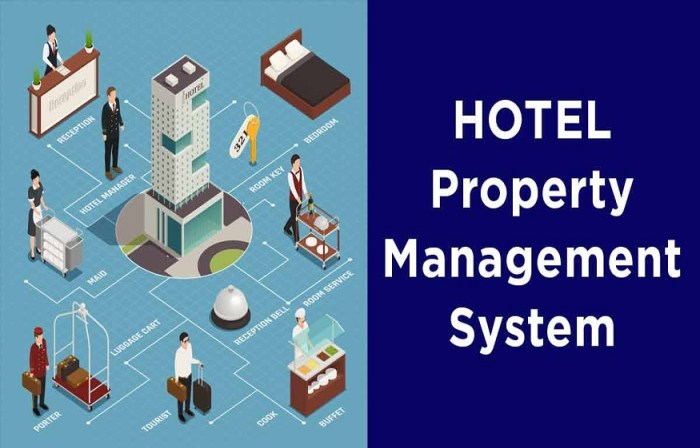
Property Management Systems (PMS) are crucial software solutions for hotels of all sizes. They streamline operations, enhance guest experiences, and improve overall efficiency. A well-implemented PMS provides a centralized platform for managing various aspects of a hotel’s daily operations, from reservations and check-ins to housekeeping and financial reporting.
Hotel PMS systems are designed to integrate various hotel functions, enabling a seamless flow of information across departments. This integration minimizes errors, reduces manual tasks, and ultimately optimizes resource utilization. The effective management of reservations, inventory, and guest data is central to the functionality of a successful hotel PMS.
Core Functionalities of a Typical Hotel PMS
A comprehensive hotel PMS offers a wide array of functionalities designed to support various hotel operations. These core functionalities typically include:
- Guest Management: This encompasses features for creating and managing guest profiles, storing guest preferences, and tracking guest history. This data can be leveraged to personalize services and improve future interactions.
- Reservation Management: The PMS facilitates online and offline reservation entry, processing, and management. It tracks availability, handles cancellations, and manages confirmations.
- Room Management: The system manages room inventory, availability, and pricing. It tracks room status, occupancy, and maintenance requests. This streamlines the allocation of rooms and optimizes room utilization.
- Payment Processing: Many PMS systems integrate with payment gateways to handle online payments, track transactions, and generate reports for financial analysis.
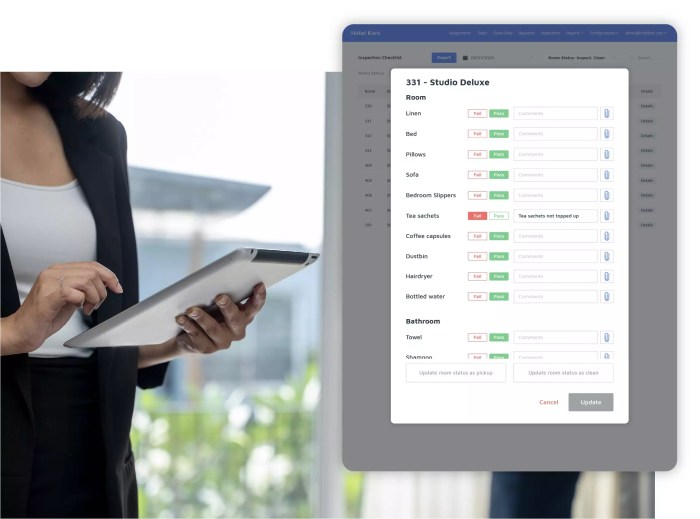
- Housekeeping Management: PMS systems can streamline housekeeping tasks, including room assignments, cleaning schedules, and inventory management for supplies.
- Reporting and Analytics: PMS systems generate comprehensive reports on various aspects of hotel operations, such as occupancy rates, revenue, and guest satisfaction. This data-driven insight allows for informed decision-making.
Types of Hotel PMS Systems
Different deployment models cater to various hotel needs and technical capabilities.
- Cloud-Based PMS: These systems are hosted on remote servers, accessed via the internet. This eliminates the need for on-site hardware and software maintenance, making them a popular choice for hotels with limited IT resources or smaller budgets.
- On-Premise PMS: These systems are installed and maintained on the hotel’s servers. This gives the hotel greater control over the system, but requires dedicated IT staff and resources for maintenance and upgrades.
Comparison of Deployment Models
The choice between cloud-based and on-premise PMS systems depends on factors such as budget, technical expertise, and scalability requirements.
| Deployment Model | Pros | Cons |
|---|---|---|
| Cloud-Based | Lower upfront costs, automatic updates, scalability, accessibility from anywhere, and reduced IT infrastructure needs. | Potential for limited customization, dependence on internet connectivity, security concerns (although reputable providers have robust security measures), and vendor lock-in. |
| On-Premise | Greater control over data and security, potential for extensive customization, no internet dependence (except for potentially internet-based backup solutions). | High upfront costs, ongoing maintenance and upgrade costs, significant IT resources required, and less scalability. |
Key Features of Top-Rated PMS Systems
Source: hotelweb.io
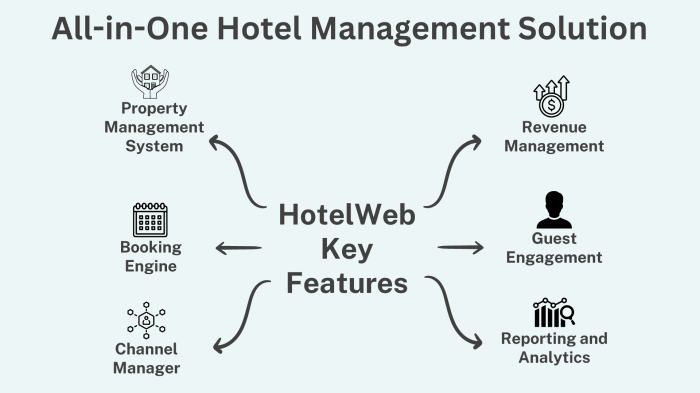
A sophisticated Property Management System (PMS) is crucial for optimizing hotel operations. A robust PMS streamlines various tasks, from managing bookings to handling guest interactions, ultimately improving efficiency and boosting revenue. Top-rated systems go beyond basic functions, providing comprehensive solutions for hotels of all sizes.
Modern hotel management relies heavily on advanced PMS capabilities to effectively manage resources, streamline processes, and enhance the guest experience. This necessitates a thorough understanding of the key features that distinguish exceptional PMS systems from the average.
Online Booking Capabilities
Online booking functionality is paramount for modern hotels. A best-in-class PMS offers a user-friendly, integrated online booking engine. This engine should seamlessly synchronize with external channels like OTAs (Online Travel Agencies), ensuring real-time availability updates and accurate pricing. Furthermore, it should allow for secure payment processing and customized booking options, including special requests and package deals. Hotels can benefit from reduced manual work and increased booking volume through a well-integrated online booking system. The PMS should also allow for dynamic pricing adjustments based on demand, competitor pricing, and other market factors.
Guest Management Features
Effective guest management is vital for a positive guest experience and repeat business. Top-tier PMS systems provide comprehensive guest profiles, allowing for personalized interactions and customized services. These profiles should store detailed information, including preferences, past stays, and special needs. The system should also enable seamless communication with guests through various channels, including email, in-app messaging, and even SMS. This feature enables proactive communication about services and promotions. Furthermore, the PMS should facilitate the tracking of guest feedback and loyalty programs.
Inventory Control and Management
Inventory control is essential for optimizing room availability and maximizing revenue. A sophisticated PMS system provides precise tracking of room availability, including details like room type, amenities, and occupancy status. This feature allows for accurate forecasting of demand and ensures optimal room pricing strategies. Real-time availability updates are critical for preventing overbooking and maintaining a positive guest experience. The system should also enable seamless integration with other hotel operations, like housekeeping and maintenance. This interconnectedness allows for efficient management of resources and minimizes operational inefficiencies.
Revenue Management Tools
Revenue management is a crucial aspect of maximizing profitability. A top-tier PMS should incorporate robust revenue management tools, enabling the hotel to optimize pricing strategies based on demand, competitor pricing, and market trends. Advanced features, like dynamic pricing algorithms and forecasting tools, are essential for making data-driven decisions. This enables hotels to adjust rates in real-time, maximizing revenue potential without compromising guest satisfaction. Moreover, the system should allow for the creation of customized packages and promotions to target specific customer segments.
Advanced Features
Top-tier PMS systems often incorporate advanced features that set them apart. These features might include: integration with other hotel systems like point-of-sale (POS) and property management software, automated reporting tools, and advanced analytics capabilities. The ability to analyze guest data, identify trends, and tailor marketing campaigns accordingly is invaluable for enhancing operational efficiency and driving revenue growth.
| Feature | Description | Impact on Hotel Operations |
|---|---|---|
| Online Booking | Facilitates online reservations, integrates with OTAs, manages real-time availability, and supports secure payments. | Increases online bookings, reduces manual workload, and improves revenue generation. |
| Guest Management | Creates comprehensive guest profiles, manages communication channels, tracks preferences, and enables personalized interactions. | Enhances guest experience, improves customer retention, and facilitates targeted marketing. |
| Inventory Control | Provides precise tracking of room availability, amenities, and occupancy, enabling accurate forecasting. | Optimizes room pricing, minimizes overbooking, and enhances resource management. |
| Revenue Management | Offers dynamic pricing strategies, forecasting tools, and customized packages, enabling data-driven pricing decisions. | Maximizes revenue potential, optimizes pricing strategies, and improves profitability. |
Benefits of Implementing a Hotel PMS: Best Hotel PMS Systems
A hotel property management system (PMS) is more than just software; it’s a strategic investment that can significantly impact a hotel’s operations and profitability. Implementing a robust PMS can streamline processes, enhance guest experiences, and optimize resource allocation, ultimately contributing to the bottom line.
A well-designed PMS empowers hotels to manage various aspects of their operations efficiently, from reservations and check-ins to accounting and reporting. This comprehensive approach leads to improved operational efficiency and increased profitability, making it a crucial tool for modern hospitality businesses.
Positive Impacts on Revenue Generation
A hotel PMS directly impacts revenue by optimizing room bookings and maximizing revenue streams. Advanced PMS systems often include tools for dynamic pricing, forecasting demand, and identifying revenue opportunities. This dynamic approach enables hotels to adjust pricing strategies in response to market fluctuations and demand, potentially increasing revenue through smart pricing tactics. Furthermore, accurate inventory management within a PMS prevents overbooking, minimizing revenue losses associated with unavailable rooms.
Improving Guest Satisfaction and Loyalty
A seamless guest experience is paramount in today’s competitive hospitality market. A modern PMS can enhance guest satisfaction through efficient check-in/check-out procedures and personalized services. Guest profiles stored within the system can be leveraged to provide tailored amenities and recommendations, leading to a more memorable and positive experience. This personalized approach builds guest loyalty, encouraging repeat bookings and positive reviews, which can drive future revenue.
Optimizing Staff Productivity
Streamlined processes are key to staff efficiency. A hotel PMS can automate repetitive tasks, such as room assignments and billing, freeing up staff to focus on more valuable guest interactions. This automation allows staff to concentrate on delivering exceptional service and creating positive guest experiences. This increase in staff productivity translates into more time for tasks that generate revenue and enhance guest satisfaction.
Contributing to Better Financial Management
Accurate financial reporting is critical for any business, and a PMS plays a crucial role. The system consolidates financial data from various sources, enabling hotels to track expenses, analyze profitability, and identify areas for improvement. Detailed financial reports generated by the PMS provide valuable insights into operational costs and revenue streams, empowering informed decision-making and proactive financial management. This level of visibility into financial data helps hotels to maintain a healthy financial position and make strategic financial decisions.
Summary of PMS Advantages
| Benefit | Description | Impact on Hotel Revenue |
|---|---|---|
| Increased Revenue | Optimized pricing strategies, accurate inventory management, and identification of revenue opportunities. | Higher room occupancy rates, improved revenue per available room (RevPAR), and increased profitability. |
| Improved Staff Productivity | Automation of tasks such as room assignments, billing, and check-in/check-out procedures, freeing up staff for guest interactions. | Reduced operational costs, increased guest satisfaction, and enhanced staff morale. |
| Enhanced Guest Satisfaction | Personalized services, efficient check-in/check-out processes, and streamlined communication channels. | Increased guest loyalty, positive reviews, and repeat bookings ultimately contribute to higher revenue. |
| Improved Financial Management | Consolidated financial data, detailed reporting on expenses and revenue, and identification of areas for improvement. | Informed decision-making, proactive financial planning, and improved financial stability. |
Considerations for Choosing the Best PMS

Source: thehotelgm.com
Selecting the right Property Management System (PMS) is crucial for a hotel’s operational efficiency and profitability. A well-chosen PMS streamlines various tasks, from guest check-in to accounting, and ultimately enhances the guest experience. Careful consideration of various factors is essential for making an informed decision.
Evaluating potential PMS systems requires a comprehensive understanding of your hotel’s specific needs and operational context. This involves looking beyond superficial features and delving into the system’s practical application within your hotel’s unique structure and size.
Budgetary Constraints
Budgetary limitations significantly influence the selection process. Hotels need to identify their financial capacity and prioritize essential features over less critical ones. A detailed budget analysis is vital, considering not only the initial software cost but also ongoing maintenance, training, and potential integration fees. Realistic financial projections can aid in evaluating the long-term financial implications of various PMS options. This helps in avoiding hidden costs and ensuring the system remains within the allocated budget.
Scalability and Future Growth
A PMS should adapt to the hotel’s anticipated growth and future needs. Consider the potential increase in rooms, staff, or operational complexity. A scalable system can accommodate future expansions without requiring a complete overhaul of the software. A PMS that easily handles a growing number of guests, reservations, and staff members is vital for maintaining smooth operations as the hotel evolves. Look for a system that allows for future upgrades and enhancements to keep pace with technological advancements.
Integration with Existing Systems
A key consideration is how well the PMS integrates with existing hotel systems. Compatibility with accounting software, point-of-sale (POS) systems, and other crucial applications is paramount. Smooth data exchange between systems avoids redundant data entry and ensures accurate financial reporting. A lack of seamless integration can lead to inefficiencies and errors. Assess the potential compatibility with your current software infrastructure to minimize future disruptions and complications.
Support and Training
The quality of vendor support and training programs is a significant factor. Adequate support ensures prompt resolution of technical issues and assists when needed. Thorough training programs equip staff with the necessary skills to utilize the PMS effectively. A well-defined support structure ensures that users can quickly access help and resolve problems efficiently. The vendor’s reputation for responsive support and comprehensive training programs is critical.
Customization Options, Best hotel PMS systems
The ability to customize the PMS to meet specific hotel needs is essential. Consider the unique requirements of your hotel, such as its size, target market, and operational procedures. A flexible system allows adjustments to workflows, reports, and interfaces to match the hotel’s specific operational procedures. Customization ensures that the PMS is tailored to the unique characteristics of your hotel.
Different Hotel Types and Best-Fit PMS
Different hotel types have distinct needs and priorities, influencing their ideal PMS selection.
- Boutique Hotels often prioritize a user-friendly interface, advanced reporting capabilities, and potentially a higher degree of customization. This allows for a more personalized experience for guests.
- Luxury Resorts may require sophisticated features for managing multiple services and amenities, along with sophisticated booking systems and high-quality reporting and analytics to maintain a premium guest experience.
- Budget-friendly Hotels may prioritize cost-effectiveness and simplicity, with a focus on basic features for managing reservations and front desk operations. This will ensure efficiency without unnecessary complexity.
Critical Questions to Ask Potential PMS Vendors
Thorough questioning of potential vendors is vital.
- System Scalability: How does the system accommodate growth in guest numbers and staff size?
- Integration Capabilities: What existing systems can the PMS integrate with?
- Customer Support: What level of support and training does the vendor provide?
- Customization Options: How can the system be adapted to meet specific hotel needs?
- Long-term Cost: What are the total costs involved, including ongoing maintenance and upgrades?
Case Studies of Successful PMS Implementations
Source: hoteloperations.com
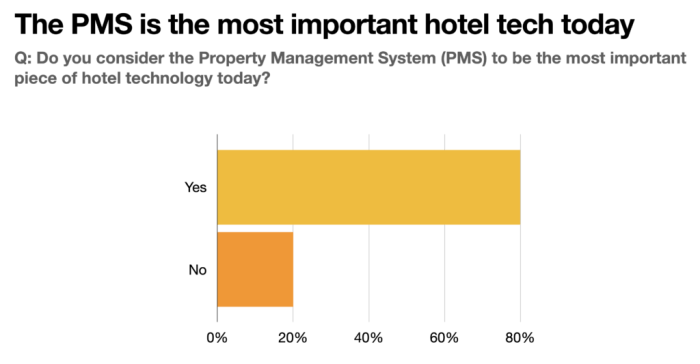
Implementing a Property Management System (PMS) can significantly enhance a hotel’s operational efficiency and profitability. Examining successful implementations provides valuable insights into the strategies employed, the results achieved, and the potential challenges encountered. Understanding these case studies allows hotels to learn from best practices and avoid common pitfalls.
Examples of Successful PMS Implementations
Various hotels across different segments have successfully leveraged PMS systems to optimize their operations. These implementations have demonstrably improved revenue management, streamlined guest interactions, and enhanced overall operational efficiency. A well-implemented PMS can be a powerful tool for boosting profitability and achieving sustainable growth.
Strategies Employed by Successful Hotels
Hotels that have successfully integrated PMS systems often employ a phased approach to implementation. This typically involves careful planning, comprehensive training for staff, and clear communication with guests. Furthermore, rigorous testing of the system before full deployment is crucial to ensure minimal disruption during the transition. Key strategies include:
- Phased Implementation: A gradual rollout allows for adjustments and avoids overwhelming staff during the transition. This approach enables the team to adapt and become proficient with the new system before moving on to the next phase. This systematic approach minimizes disruptions and maximizes the effectiveness of the implementation.
- Comprehensive Training: Staff training is critical to ensure seamless system usage. Training programs should be tailored to the specific roles and responsibilities of each employee. Clear documentation and ongoing support are also essential for long-term success.
- Guest Communication: Effective communication with guests is vital. Clearly outlining the benefits of the new system and addressing any potential concerns builds trust and ensures a smooth guest experience.
Results Achieved and Challenges Faced
The results of successful PMS implementations often include increased revenue, improved operational efficiency, and enhanced guest satisfaction. However, challenges such as staff resistance to change, data migration issues, and inadequate system customization are frequently encountered. Overcoming these challenges requires careful planning, effective communication, and a proactive approach.
Long-Term Benefits of Implementation
The long-term benefits of implementing a suitable PMS extend beyond immediate gains. Hotels can expect increased revenue streams, improved customer relationship management, and enhanced operational control. Furthermore, a robust PMS allows for data-driven decision-making, enabling hotels to adapt to changing market conditions and customer preferences.
Success Metrics from Various Hotel Case Studies
| Hotel Type | PMS Used | Key Results |
|---|---|---|
| Boutique Hotel | HotelPro | Increased room occupancy by 15% and reduced administrative costs by 10% within the first year of implementation. |
| Luxury Resort | Protel | Improved guest satisfaction scores by 20% and enhanced revenue per available room (RevPAR) by 8% within the first year of use. |
| Mid-Scale Hotel | Opera PMS | Streamlined check-in/check-out procedures, leading to a 12% decrease in average check-in/check-out time and increased staff efficiency. |
Future Trends in Hotel PMS
Hotel Property Management Systems (PMS) are constantly evolving to meet the changing needs of the hospitality industry. The future of PMS systems promises a more seamless and intelligent approach to hotel management, integrating cutting-edge technologies to enhance guest experiences and streamline operational efficiency. These advancements will be crucial in enabling hotels to compete effectively in a dynamic market.
AI and Machine Learning Integration
AI and machine learning are rapidly transforming various industries, and the hospitality sector is no exception. These technologies are poised to significantly impact hotel PMS systems, enabling more sophisticated and intelligent solutions. AI-powered PMS systems can predict demand fluctuations, optimize pricing strategies, and personalize guest experiences more effectively. For instance, AI algorithms can analyze guest data to anticipate preferences and offer tailored recommendations, leading to higher guest satisfaction. Furthermore, AI can automate tasks such as check-in/check-out procedures, freeing up staff to focus on higher-value interactions.
Personalized Guest Experiences
Future PMS systems will prioritize personalization to create exceptional guest experiences. These systems will collect and analyze guest data to understand individual preferences and tailor offerings accordingly. This includes customized recommendations for dining, activities, and amenities, leading to higher guest satisfaction and loyalty. For example, a PMS system might recommend local restaurants based on previous guest reviews and dietary restrictions, or suggest specific attractions based on the guest’s travel interests. This personalized approach fosters a sense of connection and anticipation, enhancing the overall guest journey.
Enhanced Mobile Capabilities
Mobile-based PMS systems are expected to become even more integrated and intuitive. Hotels will leverage mobile technology to offer guests a wide range of services directly through their smartphones, including check-in/check-out, room service ordering, and amenity requests. This increased mobile accessibility streamlines operations and provides a convenient and responsive guest experience. Hotels can anticipate a rise in mobile-first check-ins and room service orders, as well as mobile-based feedback collection.
Predictive Analytics and Optimization
Predictive analytics will play a critical role in optimizing hotel operations. By analyzing historical data and market trends, PMS systems can predict demand fluctuations, adjust pricing strategies accordingly, and optimize resource allocation. This proactive approach minimizes operational costs and maximizes revenue potential. For instance, a hotel could use predictive analytics to anticipate a surge in demand during a specific event, allowing it to adjust staffing levels and allocate resources effectively. Real-time insights from predictive analytics will be vital for responsive hotel management.
Integration with Other Technologies
Future PMS systems will likely integrate seamlessly with other technologies, such as online booking platforms, social media channels, and loyalty programs. This interconnectedness facilitates a streamlined workflow, provides a comprehensive view of the guest journey, and improves communication across various platforms. This integration fosters a more unified and user-friendly experience for both guests and staff, enhancing overall operational efficiency. A unified platform allows for comprehensive data analysis and informed decision-making across the hotel’s operations.
The Impact on the Hotel Industry
The integration of these advancements will reshape the hotel industry. Hotels that embrace these technologies will be better positioned to attract and retain guests, optimize operations, and enhance overall profitability. The future of the hotel industry will be shaped by the adoption and implementation of these innovative PMS systems. Hotels must invest in training and development to equip staff with the skills needed to utilize these new technologies effectively.
Outcome Summary
Source: escoambiental.org
In conclusion, implementing the best hotel PMS system is a strategic investment that can significantly impact a hotel’s bottom line. By understanding the diverse range of PMS systems, their features, and the factors influencing selection, hotels can make informed decisions to improve operational efficiency, optimize revenue generation, and enhance the guest experience. This guide provides a thorough overview, empowering hotels to navigate the complexities of the PMS landscape and choose a system that aligns with their specific needs and future goals.