Best Hotel Franchises A Comprehensive Guide
Best hotel franchises offer a compelling path to success in the hospitality industry. From understanding the nuances of franchising to navigating the financial aspects, this guide provides a thorough overview of the key considerations for choosing the right franchise opportunity. It explores the various types of hotel franchises, examines crucial factors like market research and financial projections, and delves into crucial elements such as franchisee support and brand reputation. The guide also discusses legal considerations, potential risks, and emerging trends in the industry, equipping you with the knowledge needed to make an informed decision.
This comprehensive analysis considers critical aspects of hotel franchising, ranging from the advantages and disadvantages of different franchise models to the support systems offered by various brands. Detailed information on evaluating franchise opportunities, including market research, financial planning, and operational aspects, is included. The guide also provides insight into the legal framework and future trends impacting the industry, ensuring readers are well-equipped to make sound decisions.
Introduction to Hotel Franchises: Best Hotel Franchises

Source: com.. my
Hotel franchising is a popular business model that allows independent hotel owners to operate under a well-established brand name and benefit from the support and resources of a larger organization. This model offers numerous advantages, but also comes with certain drawbacks that potential franchisees must carefully consider. The system leverages the brand recognition and marketing power of the franchisor, which can translate into increased guest traffic and revenue for the franchisee.
This system provides a structured framework for hotel operations, including standardized procedures, training programs, and access to shared resources. However, franchise agreements often include strict operational guidelines and royalty payments to the franchisor, which can impact the franchisee’s autonomy and profitability.
Popular Hotel Franchise Brands
A multitude of hotel brands have successfully utilized the franchise model globally. Examples include Marriott International, Hilton, Hyatt, IHG Hotels & Resorts, and Accor. These brands have cultivated a strong presence in the market, attracting a diverse range of clientele and establishing a consistent brand image across various locations. Each brand caters to specific customer segments and market niches, allowing for differentiation and specialization.
Types of Hotel Franchises
The hotel franchise industry offers a variety of options to suit different needs and preferences. These options range from luxurious accommodations to budget-friendly choices, and include specialized types like resorts, boutique hotels, and extended-stay options. The diverse range caters to a wide spectrum of traveler preferences and budgets.
Franchise Types Comparison
| Franchise Type | Target Customer Base | Typical Price Point (USD) |
|---|---|---|
| Luxury | High-income travelers seeking premium amenities and exceptional service | $500,000 – $1,000,000+ |
| Budget | Budget-conscious travelers prioritize affordability and necessities | $100,000 – $500,000 |
| Resort | Leisure travelers seeking recreational facilities and a relaxing atmosphere | $250,000 – $1,000,000+ |
| Boutique | Discerning travelers seeking unique experiences and personalized service | $200,000 – $750,000 |
| Extended-Stay | Business travelers and families seeking longer-term accommodations | $300,000 – $800,000 |
Note: Price points are estimates and can vary based on location, size, and specific amenities.
Key Factors for Choosing the Best Franchise
Selecting the right hotel franchise is crucial for success. Thorough evaluation is paramount to aligning the investment with personal goals and market realities. A well-researched decision minimizes risk and maximizes the potential for profitability.
Careful consideration of various factors, from market analysis to financial projections, ensures a sound investment strategy. This includes assessing the franchise’s reputation, support system, and long-term viability.
Market Research and Local Demand
Understanding the local hospitality market is essential. Analyzing existing hotels, competitor offerings, and projected tourism trends provides valuable insights. This includes identifying potential gaps in the market that a franchise can fill. Detailed market research is crucial for successful franchise operation. Identifying the specific needs and preferences of the target customer base is vital.
- Identifying existing hotels and competitor offerings allows for a comprehensive understanding of the current market landscape.
- Assessing local tourism trends provides insights into future demand and potential growth opportunities.
- Identifying potential gaps in the market allows the franchise to target specific niches or customer segments.
Financial Aspects of Franchise Ownership
Understanding the financial implications of franchise ownership is paramount. A comprehensive financial analysis includes startup costs, ongoing operating expenses, and potential returns. Detailed projections, including revenue and expense forecasts, are critical for making informed decisions.
- Startup Costs: These include initial franchise fees, equipment purchases, renovations, and working capital. Careful budgeting is essential to ensure sufficient funds are available to cover all necessary expenses.
- Operating Expenses: These encompass ongoing costs such as staff salaries, utilities, marketing, maintenance, and supplies. Realistic projections are critical for accurate financial planning.
- Potential Returns: Franchise agreements typically project returns based on various factors, such as occupancy rates, pricing strategies, and operational efficiency. These projections should be carefully examined in the context of the specific market and the franchise’s support system.
Potential Revenue Streams
A successful hotel franchise generates revenue from multiple sources. This section articulates the primary revenue streams and their importance.
| Revenue Stream | Description |
|---|---|
| Room Revenue | Income generated from guest room occupancy. |
| Food and Beverage Revenue | Revenue from restaurant sales, bar services, and room service. |
| Meeting and Event Revenue | Income from hosting conferences, banquets, and other events. |
| Other Revenue | Includes revenue from parking, laundry services, and other ancillary services. |
Examples of revenue projections for a specific franchise should be reviewed carefully, taking into account historical data and market conditions.
Franchisee Support and Training
Source: drfranchises.com
A crucial aspect of a successful hotel franchise is the level of support provided to franchisees. This support encompasses various facets, from initial training to ongoing operational guidance and marketing assistance. The quality and comprehensiveness of this support significantly impact the franchisee’s ability to thrive and build a profitable business.
Comprehensive training and ongoing support are vital for franchisees to effectively manage their hotels and meet guest expectations. Robust support systems empower franchisees to navigate challenges and capitalize on opportunities, ultimately contributing to the brand’s overall success.
Training Programs
Franchise training programs are a cornerstone of a successful franchise system. These programs equip franchisees with the necessary knowledge and skills to operate their hotels effectively. They often cover a range of topics, including hotel management, customer service, revenue generation, and operational efficiency. Effective training programs typically include classroom sessions, hands-on workshops, and ongoing mentorship opportunities. A structured curriculum that addresses specific challenges and opportunities for each franchise location ensures a strong foundation for success.
Marketing Assistance, Best hotel franchises
Effective marketing strategies are essential for attracting guests and driving revenue. A franchise often provides marketing assistance to its franchisees, including pre-designed marketing materials, access to promotional tools, and support in developing targeted campaigns. This assistance can range from providing templates for local advertising to offering online marketing resources and assistance with social media campaigns. Franchise support in marketing aids in maintaining brand consistency and ensures a coordinated approach across all locations.
Operational Guidance
Ongoing operational guidance plays a vital role in the franchise model. This encompasses assistance in areas such as inventory management, staff training, and financial management. A franchise’s operational support often includes regular check-ins with franchisees, access to a network of experienced professionals, and access to best practices for running a successful hotel. Operational guidance ensures that franchisees stay updated on industry trends and best practices, promoting efficiency and profitability.
Support Levels Comparison
| Support Level | Training Programs | Marketing Assistance | Operational Guidance |
|---|---|---|---|
| Basic | Limited introductory sessions; basic materials provided | Basic marketing templates, limited access to promotional resources | Occasional check-ins; limited access to operational experts |
| Standard | Comprehensive training modules, access to online resources, and ongoing mentorship | Templates and tools, access to a network of marketing professionals | Regular check-ins, access to a support team, and best practices guidelines |
| Premium | Customized training programs, advanced modules, expert instructors, and ongoing coaching | Personalized marketing strategies, extensive promotional resources, and social media management support | Dedicated support team, expert consultants, financial analysis tools, data-driven insights |
The table above provides a simplified overview of support levels. The actual support offered by each franchise varies, and it is important for potential franchisees to thoroughly research and evaluate the specific support packages offered by different brands to ensure a good fit.
Brand Reputation and Market Position

Source: drfranchises.com
A strong brand reputation and market position are critical for a hotel franchise’s success. These elements directly impact customer perception, booking rates, and profitability. A well-regarded brand attracts more guests, potentially commanding higher room rates, and fosters loyalty, leading to repeat business. Conversely, a negative reputation can deter potential guests and damage the franchise’s overall performance.
Understanding the strengths and weaknesses of different brands, coupled with strategies to enhance brand image and customer loyalty, is crucial for franchisees seeking to maximize their investment. This involves analyzing market trends, competitor analysis, and proactive measures to build a positive brand narrative.
Significance of Brand Reputation
A positive brand reputation translates into increased trust and confidence among potential guests. Guests are more likely to choose a hotel with a strong track record of quality service and positive reviews. This trust fosters loyalty and encourages repeat bookings. Conversely, a tarnished reputation can lead to a decline in bookings and a decrease in revenue.
Comparison of Hotel Franchise Brands
Different hotel franchises possess varying strengths and weaknesses in terms of their brand image and market positioning. Luxury brands like Four Seasons or Ritz-Carlton are known for exceptional service and high-end amenities, but their price points are generally higher. Budget-friendly chains like Motel 6 or Days Inn might lack the luxury features, but appeal to a different segment of the market. Mid-range brands like Marriott or Hilton occupy a broader market segment, balancing service levels and pricing.
- Four Seasons: Known for impeccable service, exquisite accommodations, and a global presence. Their high price point targets affluent travelers seeking luxury experiences. Challenges might include maintaining the high standards across multiple locations and adapting to evolving consumer preferences.
- Marriott: A vast portfolio with a wide range of brands catering to different market segments, from economy to luxury. This diversity provides flexibility but requires careful brand management to maintain consistent quality across the varied properties.
- Hilton: A well-established brand with a broad reach and extensive global presence. They have successfully built a reputation for reliability and convenience, often competing in a mid-range price point.
- Hyatt: Known for its focus on service excellence and personalized experiences, catering to a discerning clientele. Maintaining consistent service standards across diverse locations is a key challenge.
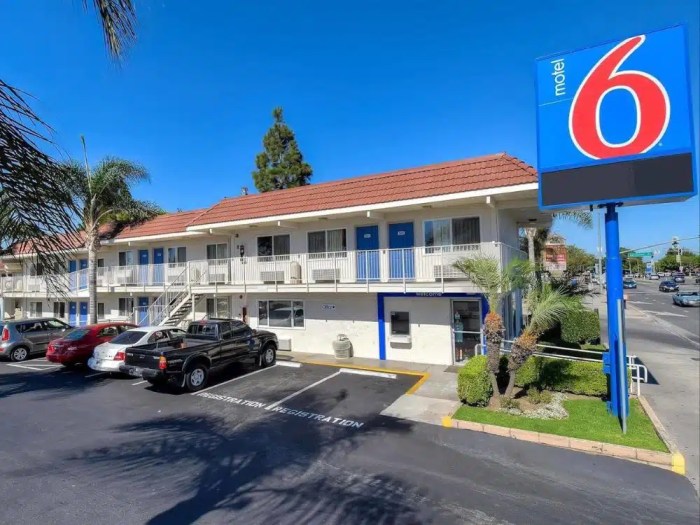
- Motel 6: A budget-friendly option that prioritizes affordability and basic amenities. The challenge lies in competing with other budget-friendly options and enhancing the guest experience without compromising on cost.
Strategies for Enhancing Brand Image
Effective strategies for enhancing brand image and customer loyalty include consistent service quality, positive online reviews, proactive social media engagement, and tailored customer service.
- Consistent Service Quality: Training staff to deliver exceptional service consistently is paramount. Clear service standards and regular quality checks are essential to maintain a positive brand image.
- Positive Online Reviews: Actively encourage guest feedback and respond to reviews promptly and professionally, whether positive or negative. Addressing concerns and highlighting positive experiences can significantly impact brand perception.
- Proactive Social Media Engagement: Leveraging social media platforms to showcase the hotel’s unique offerings, behind-the-scenes glimpses, and engaging with potential guests can build a strong online presence.
- Tailored Customer Service: Providing personalized service and anticipating guest needs fosters a sense of value and loyalty. This includes remembering preferences and proactively addressing potential issues.
Examples of Successful Hotel Franchises
Numerous hotel franchises have successfully leveraged marketing strategies to achieve prominent market positions. For example, Marriott’s focus on diverse brand offerings and consistent service has resonated with a broad spectrum of travelers. Hilton’s extensive global network and loyalty programs have contributed to their success.
Brand Reputation Comparison Table
| Franchise | Brand Reputation | Market Position | Strengths | Weaknesses |
|---|---|---|---|---|
| Four Seasons | Luxury | High-end | Exceptional service, high-end amenities | High price point, maintaining standards |
| Marriott | Mid-range to Luxury | Broad | Variety of brands, global reach | Maintaining consistent quality across diverse brands |
| Hilton | Mid-range | Extensive | Global presence, loyalty programs | Maintaining consistent service |
| Hyatt | Luxury to Mid-range | Targeted | Focus on service excellence | Maintaining consistent standards across locations |
| Motel 6 | Budget | Economy | Affordability | Limited amenities, guest experience |
Legal and Regulatory Considerations
Navigating the legal landscape is crucial for any hotel franchise operation. Compliance with local, state, and federal regulations is paramount, impacting everything from licensing and permits to zoning and safety standards. Failure to adhere to these requirements can result in significant financial penalties and operational disruptions.
Understanding the specific legal and regulatory frameworks in different regions is essential for prospective franchisees. These frameworks vary widely, demanding careful consideration before committing to a franchise agreement. Knowing the specifics allows for proactive planning and reduces the risk of unforeseen legal hurdles.
Licensing and Permits
Obtaining the necessary licenses and permits is a critical initial step. These requirements differ significantly by location, encompassing building codes, health and safety regulations, and potentially environmental considerations. Different jurisdictions may have varying requirements for operating a hotel, and it’s important to research the specific requirements well in advance.
- Building Codes: These regulations dictate the construction, design, and safety features of the hotel. Compliance with building codes is vital to ensure the safety and well-being of guests and staff, and to avoid costly renovations or fines later on.
- Health and Safety Regulations: These encompass food handling, sanitation, fire safety, and emergency preparedness. Meeting these standards is crucial to maintaining a safe and hygienic environment for guests and staff. Examples include regular inspections for cleanliness and adherence to fire safety protocols.
- Environmental Regulations: Regulations concerning water usage, waste disposal, and energy conservation are becoming increasingly important. Franchisees need to factor in these regulations during the planning stages, potentially affect costs and operational strategies. For instance, some regions may require specific waste management systems or energy-efficient equipment.
Regional Legal Requirements
The legal requirements for operating a hotel franchise vary substantially across different regions. Understanding these variations is essential for a thorough assessment of the potential franchise opportunity.
- United States: State and local regulations differ significantly. For example, licensing requirements for alcohol service, minimum wage laws, and zoning restrictions can vary from state to state. Specific permits might be required depending on the hotel’s location within a city or county.
- Europe: The European Union (EU) has a complex legal framework, with various national regulations. This includes health and safety standards, labor laws, and environmental regulations. Specific requirements regarding fire safety and building codes might differ significantly from country to country within Europe.
- Asia: Countries in Asia have diverse legal frameworks, encompassing building codes, licensing requirements, and local regulations. These frameworks may also involve unique considerations related to cultural practices and local customs. It’s crucial to consult with legal professionals specializing in the target Asian market to navigate these intricacies.
Permit and License Acquisition Process
A systematic approach to securing the necessary permits and licenses is vital for a smooth opening.
- Research and Documentation: Thorough research into the relevant local, state, and federal regulations is the first step. This includes gathering all necessary documentation and understanding the specific requirements of the chosen location.
- Application Process: Completing the required application forms and submitting them to the relevant authorities is the next step. This involves carefully following the instructions provided by the governing bodies.
- Inspection and Approval: Expect inspections from relevant agencies to ensure compliance with established standards. These inspections evaluate the hotel’s adherence to the established regulations.
- Ongoing Compliance: Maintaining compliance with all regulations is crucial for ongoing operation. Franchisees need to stay updated on any changes to the legal and regulatory environment.
Financial Projections and Management

Accurate financial projections are critical for success in any hotel franchise. A well-defined financial plan helps potential franchisees understand the financial commitment, potential returns, and risks involved in operating a hotel under a specific franchise. This meticulous planning allows for informed decision-making, resource allocation, and ultimately, a higher likelihood of profitability.
Importance of Accurate Financial Projections
Precise financial projections are the cornerstone of a successful hotel franchise. They allow for a comprehensive understanding of potential revenue streams, operational costs, and ultimately, the profitability of the venture. This detailed analysis helps franchisees make informed decisions about investment strategies, staffing levels, and marketing initiatives. A well-executed financial plan can identify potential challenges and opportunities early on, empowering the franchisee to adapt and proactively mitigate risks. The projections serve as a roadmap, guiding the franchisee through the various stages of business operation and ensuring financial stability.
Calculating Potential Revenue, Expenses, and Profitability
Several methods can be used to estimate potential revenue, expenses, and profitability. These methods rely on historical data, market research, and the specific characteristics of the chosen hotel location. Estimating potential revenue involves considering factors like room occupancy rates, average daily rate (ADR), and potential demand. Expenses can be categorized into fixed costs (rent, utilities) and variable costs (staff wages, supplies). A key element is the calculation of operating expenses and the expected profit margin. A franchise agreement typically includes anticipated revenue and expense projections, but a franchisee should conduct their thorough analysis to verify the accuracy of these projections.
Creating a Detailed Financial Plan for a Hotel Franchise
A detailed financial plan encompasses several crucial components. It begins with defining the specific financial goals for the hotel, including expected return on investment (ROI) and projected profitability within a specified timeframe. The plan must include a realistic assessment of startup costs, including initial investment, licensing fees, and other franchise-related expenses. It also needs to estimate ongoing operating expenses. This includes detailed breakdowns of labor costs, supplies, marketing, and utilities. Revenue projections should be meticulously detailed, considering potential variations based on seasonality and market conditions. Finally, a robust cash flow projection is essential to ensure sufficient liquidity to cover operational expenses. This should be accompanied by a detailed description of the funding sources to cover these costs.
Potential Financial Risks and Mitigation Strategies
Managing financial risks is essential for long-term success. A proactive approach to potential problems can significantly reduce the likelihood of financial distress.
| Potential Financial Risk | Mitigation Strategy |
|---|---|
| Fluctuating occupancy rates | Implementing dynamic pricing strategies, diversifying revenue streams (e.g., catering, events), and developing strong marketing campaigns to attract customers during off-peak seasons. |
| Unexpected increase in operating expenses | Developing detailed expense budgets, regularly monitoring expenditure, negotiating favorable contracts with suppliers, and exploring cost-saving measures without compromising service quality. |
| Economic downturn | Developing a contingency plan that Artikels measures to reduce costs and maintain cash flow during economic downturns, while exploring opportunities to capitalize on the market changes. |
| Competition | Differentiating the hotel through unique features, superior service, and targeted marketing campaigns to attract customers. |
| Unforeseen repairs or maintenance issues | Establish a contingency fund to cover unexpected maintenance or repair expenses. Creating a maintenance schedule and employing preventative maintenance measures can help minimize these risks. |
Future Trends and Innovations
The hospitality industry is constantly evolving, driven by technological advancements and shifting guest preferences. Hotels are recognizing the need to adapt to these changes to maintain competitiveness and enhance the guest experience. This necessitates embracing innovative strategies and technologies to cater to the evolving needs of the modern traveler.
Emerging trends, such as sustainable practices and personalized guest experiences, are transforming the way hotels operate and interact with their clientele. Understanding and implementing these trends is crucial for hotel franchises to remain relevant and profitable in the future.
Technology Adoption in Hotel Franchises
The integration of technology into hotel operations is a key trend. From streamlined check-in processes to personalized room recommendations, technology offers significant opportunities for improving the guest experience and operational efficiency. This adoption can range from simple mobile check-in apps to sophisticated AI-powered systems.
- Mobile Check-in and Keyless Entry: Many hotels are now utilizing mobile apps for check-in, eliminating the need for physical check-in desks. Guests can check in remotely, receive digital keys, and manage their stay entirely through their phones, which significantly enhances convenience and reduces wait times.
- Smart Room Technologies: Smart rooms equipped with voice-activated assistants, personalized lighting, and climate control systems offer guests a more personalized and intuitive experience. The ability to adjust room settings remotely through a mobile app or voice command is highly valued by modern travelers.
- Data Analytics for Personalized Experiences: Hotels are leveraging data analytics to understand guest preferences and tailor their services accordingly. This can include recommending local attractions, offering customized amenities, or providing tailored recommendations for dining experiences, significantly improving guest satisfaction and loyalty.
Sustainable Practices in the Hospitality Industry
Sustainability is no longer a niche concern; it’s a core value for many travelers. Hotels are increasingly incorporating sustainable practices into their operations to minimize their environmental impact. This includes implementing energy-efficient technologies, using eco-friendly cleaning products, and promoting responsible waste management.
- Energy Efficiency Measures: Hotels are adopting energy-efficient lighting, HVAC systems, and appliances to reduce their carbon footprint. This includes solar panels, smart thermostats, and energy-efficient appliances. Reducing energy consumption translates to lower operating costs and a positive environmental impact.
- Water Conservation: Water conservation initiatives are essential. Hotels are implementing low-flow faucets, toilets, and showerheads, as well as water-efficient landscaping. These practices directly contribute to environmental responsibility and lower water bills.
- Waste Reduction and Recycling Programs: Effective waste management programs, including recycling and composting initiatives, are crucial. Hotels can work with local organizations to properly manage waste, reducing landfill burden and demonstrating environmental responsibility.
Unique Guest Experiences
Hotels are increasingly focusing on creating memorable and personalized guest experiences. This goes beyond providing basic amenities; it involves understanding guest needs and preferences to craft unique experiences.
- Personalized Recommendations: Hotels can leverage data to provide personalized recommendations for dining, activities, and attractions. This can enhance the guest’s travel experience by ensuring they have access to local experiences they’ll enjoy.
- Interactive Experiences: Interactive elements, like augmented reality tours of the city or interactive art installations, can add excitement and intrigue. These experiences can be engaging and shareable, helping to create memorable and positive experiences.
- Community Engagement: Hotels can foster a sense of community by partnering with local businesses and organizations. This creates a stronger connection between the hotel and its guests, allowing them to experience the local culture and environment more deeply.
Table: Technology Usage in Hotel Franchises
| Hotel Franchise | Technology Used | Effectiveness |
|---|---|---|
| Hyatt | Mobile check-in, smart rooms, AI-powered concierge | High; improved guest satisfaction and operational efficiency |
| Marriott | Data analytics for personalized recommendations, loyalty programs | High, increased guest retention and revenue |
| Hilton | Smart room technology, online booking platforms | Moderate; improved guest experience and operational efficiency |
| Four Seasons | Personalized service, exclusive experiences, bespoke travel planning | High, exceptionally high guest satisfaction and premium pricing |
Final Review
In conclusion, selecting the best hotel franchise requires careful consideration of various factors. Understanding the intricacies of franchising, market demands, financial projections, and brand reputation is essential. Thorough research, coupled with a robust financial plan, is crucial for success. This guide has provided a roadmap to navigating the complexities of hotel franchising, empowering you to make informed decisions and build a thriving hospitality business.