Best Hotel Air Diffuser A Guide
Best hotel air diffuser selection is crucial for creating a memorable guest experience. From ultrasonic to evaporative diffusers, various types offer unique benefits. Choosing the right scent, considering maintenance, and strategic placement are key to maximizing the impact of these stylish and functional additions.
This comprehensive guide explores the diverse world of hotel air diffusers, delving into their functionalities, benefits for guests, and optimal integration into hotel design. We’ll cover everything from scent selection and maintenance to brand comparisons and budgetary considerations, ensuring your hotel boasts the perfect ambiance.
Introduction to Hotel Air Diffusers
Hotel air diffusers are an integral part of creating a pleasant and comfortable atmosphere in hospitality settings. They play a crucial role in managing the overall ambiance, enhancing guest experience, and potentially influencing guest satisfaction. These devices, strategically placed throughout hotels, release fragrances, essential oils, or other aromatic substances into the air, impacting the perceived quality of the environment.
Hotel air diffusers offer various benefits, such as masking unwanted odors, introducing pleasing scents, and creating a calming atmosphere. This can significantly improve guest satisfaction and contribute to the overall success of a hotel. Properly selected and strategically positioned diffusers can effectively influence the guest experience and the perceived value of the hotel.
Types of Hotel Air Diffusers
Different types of air diffusers cater to diverse needs and preferences. Understanding their functionalities is key to choosing the right diffuser for a specific application. Common types include ultrasonic, evaporative, and reed diffusers, each with its mechanism for dispersing fragrance.
Ultrasonic Diffusers
Ultrasonic diffusers utilize high-frequency sound waves to create a fine mist of fragrance oils suspended in the air. They are known for their ability to deliver a consistent and even distribution of fragrance throughout a room. Their efficiency makes them a popular choice for larger spaces.
Evaporative Diffusers
Evaporative diffusers employ a wicking material to draw up fragrance oils and release them into the air through evaporation. These diffusers are generally considered quieter and more efficient for smaller spaces. They often use a combination of water and essential oils.
Reed Diffusers
Reed diffusers, a more traditional method, utilize reeds that absorb fragrance oils and release them slowly into the air. They are known for their subtle, continuous fragrance delivery, often considered a more elegant and sophisticated choice for hotels. The fragrance intensity is usually lower compared to ultrasonic or evaporative diffusers.
Materials Used in Hotel Air Diffusers
The materials used in the construction of hotel air diffusers significantly impact their durability, aesthetic appeal, and overall performance. Common materials include plastic, glass, and metal. The selection of materials directly affects the diffuser’s appearance and suitability for different environments within a hotel.
Comparison of Hotel Air Diffuser Types
| Type | Features | Pros | Cons |
|---|---|---|---|
| Ultrasonic | Uses ultrasonic waves to create a mist. | Effective fragrance distribution, versatile for various sizes of rooms. | Potential for noise, requires regular maintenance to avoid clogging. |
| Evaporative | Uses evaporation to release fragrance. | Quiet operation, cost-effective, and relatively simple design. | Fragrance intensity may be lower, requires frequent refilling. |
| Reed | Reeds absorb fragrance oils and release them slowly. | Elegant design, subtle fragrance release, generally quiet. | Lower fragrance intensity, less effective for larger spaces. |
Features and Benefits for Hotels

Source: alicdn.com
Hotel air diffusers offer a compelling solution for enhancing the guest experience and overall ambiance of a hotel. Their subtle yet impactful presence contributes significantly to creating a welcoming and memorable stay. Properly selected and strategically placed, these diffusers can elevate the atmosphere and create a distinct brand identity.
Key Features for Hotel Environments
Hotel air diffusers are designed with specific features to ensure seamless integration into the hotel environment. These include quiet operation, adjustable settings for scent intensity, and user-friendly controls. They also often incorporate features like automatic shut-off timers and multiple scent options, enabling versatility in creating different moods and experiences. Some models offer remote control capabilities, facilitating easy management from a central location. The durability and resilience of the diffuser material are crucial for a high-traffic hotel environment.
Benefits of Using Air Diffusers
Air diffusers offer a multitude of benefits for hotels. Firstly, they create a more welcoming and pleasant atmosphere for guests. The subtle and pleasant scents can contribute significantly to a positive ambiance. A calming and relaxing atmosphere is created by diffusers, promoting a sense of tranquility and comfort. This contributes to a more positive guest experience and overall satisfaction.
Impact on Guest Experience and Ambiance
Using air diffusers can significantly impact the guest experience and ambiance of a hotel. The subtle scents and calming atmosphere promote relaxation and well-being. A carefully selected scent profile can align with the hotel’s brand and theme, creating a cohesive and memorable experience. This can translate into improved guest satisfaction scores and positive online reviews. The diffusers enhance the overall atmosphere, creating a unique and distinct hotel environment.
Air Quality and Odor Reduction
Hotel air diffusers can contribute to improved air quality and odor reduction in hotel rooms. Many models are equipped with filters or other mechanisms that help to purify the air. This contributes to a healthier environment for guests. Furthermore, the pleasant scents can mask unwanted odors, leaving a fresh and clean atmosphere in each room.
Scent Selection and Benefits
Proper scent selection is crucial for maximizing the benefits of using air diffusers in hotels. The choice of scent can significantly impact the overall guest experience. The following table illustrates potential benefits and drawbacks of various scents:
| Scent | Benefit | Potential Drawbacks |
|---|---|---|
| Lavender | Calming and relaxing, promotes sleep | Some guests may find it overly sweet or cloying |
| Citrus | Refreshing and invigorating, promotes alertness | It can be overpowering for some guests or associated with cleaning products. |
| Floral | Pleasant and uplifting, it creates a welcoming ambiance | Can be perceived as too feminine or overwhelming by some guests |
| Vanilla | Warm and comforting, it creates a cozy atmosphere | It may not be suitable for all hotel types or preferences |
| Peppermint | Refreshing and invigorating, it can mask unpleasant odors | May not be suitable for guests sensitive to strong scents |
Scent Selection and Considerations
Choosing the right scents for a hotel’s air diffusers is crucial for creating a welcoming and memorable guest experience. A well-selected scent profile can enhance the overall ambiance and contribute to a positive perception of the hotel. Conversely, an inappropriate or overpowering scent can detract from the guest experience.
Careful consideration of scent selection is paramount. Understanding cultural sensitivities and preferences, along with balancing scent intensity, are key factors in achieving a successful scent strategy.
Scent Selection Guidelines
Proper scent selection involves considering various factors to ensure guest satisfaction. These factors encompass a broad range of elements from cultural preferences to intensity levels. Selecting the right scent profile for a hotel is not merely a matter of personal preference; it requires careful consideration of the desired mood and the potential impact on guests.
Cultural Sensitivities and Preferences
Recognizing and respecting cultural sensitivities is essential for creating a welcoming environment for all guests. Different cultures may have varying associations with specific scents, and a scent that evokes positive feelings in one culture might be unpleasant or even offensive in another. Hotels should conduct thorough research to understand the potential cultural impact of their chosen scents and avoid inadvertently alienating guests. For example, certain floral scents may be highly valued in one culture but disliked in another.
Balancing Scent Intensity
Maintaining an appropriate scent intensity is critical for guest comfort. Overpowering scents can lead to headaches, nausea, or other negative reactions, ultimately impacting the guest experience. Conversely, scents that are too subtle may fail to create the desired ambiance. A balanced approach is needed to create a pleasant and memorable atmosphere. Hotels should aim for a scent that is noticeable but not intrusive, allowing guests to enjoy the aroma without feeling overwhelmed.
Popular and Effective Scents for Hotels
A well-chosen scent can significantly enhance the hotel experience, creating a positive and memorable atmosphere. The right scent can improve guest satisfaction and even contribute to a stronger brand image.
- Relaxing Scents: Lavender, chamomile, sandalwood, and vanilla are often associated with relaxation and tranquility. These scents can be particularly beneficial in spa areas or guest rooms, promoting a sense of calm and well-being.
- Energizing Scents: Citrus scents like lemon, orange, and grapefruit, and invigorating scents like rosemary and peppermint, can help to boost energy levels and alertness. These scents are ideal for lobby areas or business centers to promote a productive atmosphere.
- Invigorating Scents: Ocean scents like sea salt and sea spray, combined with hints of fresh linen, create a refreshing and clean environment. This is often ideal for use in guest rooms to evoke a feeling of cleanliness and relaxation.
- Fresh and Clean Scents: Scents like fresh linen, crisp cotton, and clean laundry evoke a sense of cleanliness and freshness, perfect for guest rooms and public areas to promote a clean and inviting environment.
Scent Categories and Examples
The table below summarizes various scent categories and their associated mood-boosting effects, offering a practical guide for selecting appropriate scents for hotel air diffusers.
| Scent Category | Example Scents | Mood-Boosting Effects |
|---|---|---|
| Relaxing | Lavender, Chamomile, Sandalwood, Vanilla | Tranquility, Calmness, Stress Reduction |
| Energizing | Lemon, Orange, Grapefruit, Rosemary, Peppermint | Alertness, Focus, Energy |
| Invigorating | Ocean Spray, Sea Salt, Fresh Linen | Refreshment, Cleanliness, Revitalization |
| Fresh & Clean | Fresh Linen, Crisp Cotton, Clean Laundry | Cleanliness, Freshness, Inviting Ambiance |
Integration into Hotel Design
Integrating air diffusers seamlessly into hotel design is crucial for enhancing the guest experience and maintaining the overall aesthetic. Careful placement and selection of diffuser styles are key to maximizing the impact of aromatherapy and creating a welcoming ambiance. The design should reflect the hotel’s brand and target audience, seamlessly blending the technology with the surrounding environment.
The strategic placement of air diffusers directly impacts the effectiveness of aromatherapy. By considering factors such as traffic flow, ventilation, and the overall design aesthetic, hotels can create a captivating sensory experience for guests. Thoughtful integration also ensures the diffusers complement the hotel’s ambiance, avoiding a jarring or intrusive presence.
Matching Diffuser Styles to the Overall Aesthetic
Choosing diffusers that harmonize with the hotel’s overall aesthetic is essential. A modern, minimalist hotel would benefit from sleek, contemporary diffusers, while a luxurious resort might find ornate, artisanal diffusers more fitting. Consider the materials used in the design – wood, glass, metal – when selecting diffusers to maintain visual cohesion. The diffuser’s color palette should also complement the existing color scheme of the hotel, enhancing visual appeal.
Strategic Placement for Maximum Impact
Strategic placement of diffusers is vital for optimal impact. Factors like air circulation patterns and the intended scent distribution should be taken into account. Placing diffusers near entryways, common areas, and key guest gathering points ensures maximum exposure to the pleasant aroma. Additionally, considering the location of ventilation systems is crucial for effective scent dispersal throughout the space.
Diffuser Placement Scenarios in Different Room Types
Different room types require tailored diffuser placement strategies. In hotel lobbies, strategically placed diffusers near the reception desk and seating areas can create a welcoming atmosphere and enhance the first impression. The use of multiple diffusers, strategically positioned, allows for scent to permeate the entire space effectively. The selection of diffusers in guest rooms should focus on smaller, more discreet units, placed near bedside tables or in strategically chosen areas to avoid disruption or visual clutter.
- Hotel Lobby: A central cluster of smaller, sleek diffusers, positioned at the base of a large, central plant or a well-lit area near the entrance, can effectively infuse the space with a calming scent. This approach ensures the aroma is distributed throughout the lobby, enhancing the welcome experience.
- Guest Room: A single, discreet diffuser placed on a nightstand or a dresser, with a soft-glowing light, can create a tranquil atmosphere. The scent choice should reflect relaxation and well-being, contributing to a comfortable sleep experience.
- Meeting Room: Multiple, subtle diffusers placed around the perimeter of the meeting room, or integrated into the ceiling, can help create a focused and productive environment, depending on the desired scent and the nature of the meeting.
Visual Representation
Hotel Lobby: A central grouping of four modern, minimalist diffusers is situated on a low table, surrounded by greenery and low lighting. The diffusers are positioned to disperse scent throughout the lobby area.
Guest Room: A single, small, sleek diffuser is positioned on the nightstand beside the bed, subtly complementing the room’s decor. The diffuser features a warm, ambient light.
Comparison of Leading Brands
Source: shopify.com
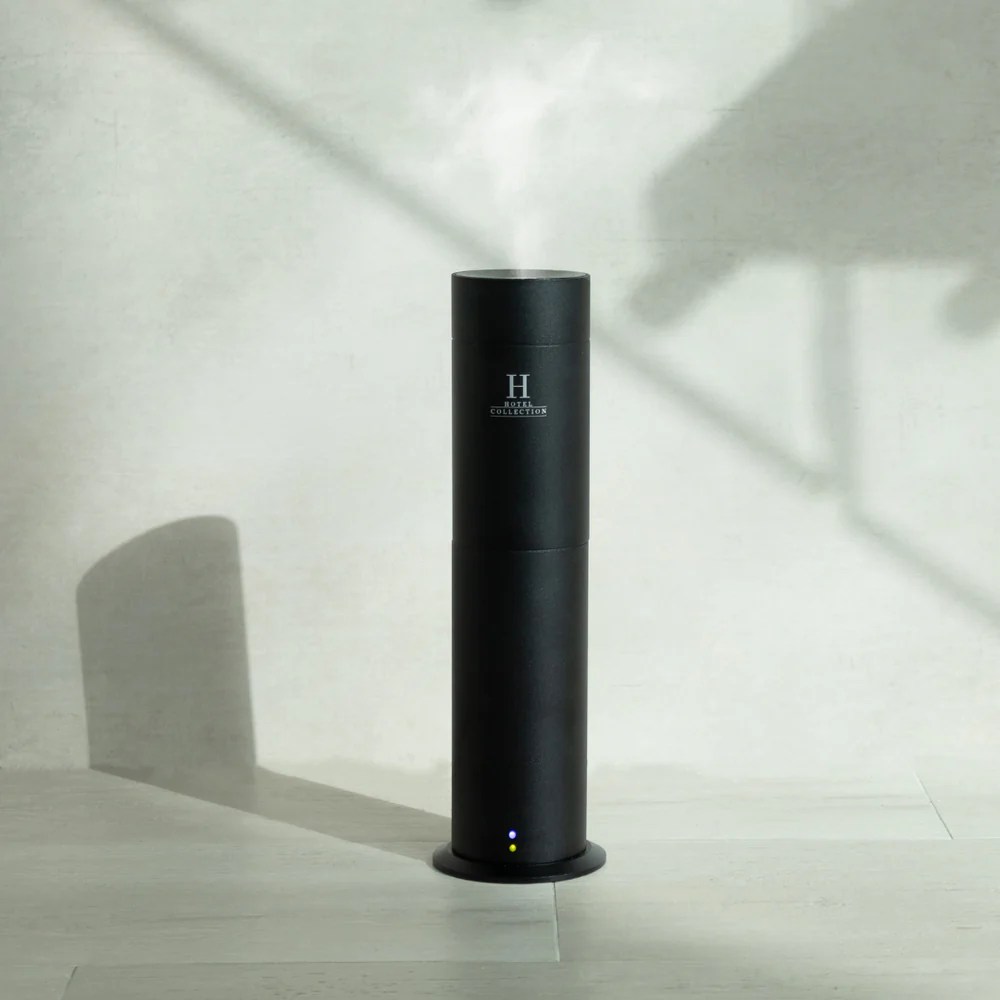
Choosing the right air diffuser brand for a hotel requires careful consideration of various factors, including features, pricing, and customer support. A comprehensive comparison of leading brands can help hotels make informed decisions that align with their specific needs and budget. This section delves into the strengths and weaknesses of prominent brands, providing insights into their performance, value, and service reliability.
Brand Feature Comparison
Evaluating the features of different brands is crucial for selecting the ideal air diffuser. Consider factors like the diffuser’s capacity, the range of scents it can handle, and its ease of use. Different brands may excel in various aspects, catering to diverse hotel needs. Some might prioritize sophisticated scent diffusion technology, while others focus on user-friendly interfaces.
Warranty and Customer Support
A robust warranty and responsive customer support are essential aspects of any purchase, particularly for commercial applications like hotel environments. The warranty duration and terms, along with the availability of technical support and troubleshooting assistance, significantly impact the overall value proposition of a brand. Long warranties and readily available customer support can provide peace of mind and reduce operational disruptions.
Pricing and Value Proposition
The price of an air diffuser is a key determinant in the decision-making process. However, pricing should not be the sole criterion. A comprehensive evaluation of the features, performance, and customer support offered by each brand is vital to assess the true value proposition. A higher price point might indicate advanced features or a more reliable brand, justifying the investment for hotels seeking superior performance and long-term reliability.
Brand Comparison Table, Best hotel air diffuser
| Brand | Features | Price | Customer Reviews |
|---|---|---|---|
| AromaSphere | High-capacity diffuser, wide scent compatibility, quiet operation, intuitive controls, and advanced filtration system. | $$$ | Generally positive, praising performance and longevity. Some reports of occasional technical issues. |
| ScentAura | Compact design, various scent options, energy-efficient, simple operation, and good customer support. | $$ | Positive feedback on ease of use and value for money. Some users reported limited scent throw compared to larger models. |
| FragranceFlow | Powerful diffusion, large scent tank, multiple fragrance options, sleek design, comprehensive warranty. | $$$$ | Highly positive reviews highlight the strong fragrance dispersal and long-lasting scents. Concerns about the higher price point. |
| DiffuserPro | Customizable diffusion settings, advanced scent mixing capabilities, a large selection of scents, strong customer support, and good value. | $$ | Positive feedback on scent intensity and customer service. Some users reported issues with maintaining consistent scent levels. |
Budget Considerations for Hotels

Hotel air diffusers can significantly enhance the guest experience, but their implementation requires careful budgeting. Understanding the potential costs associated with different types, quantities, and maintenance is crucial for effective financial planning. A well-defined budget ensures the investment aligns with the hotel’s overall financial strategy and desired guest experience.
A comprehensive budget strategy allows hotels to optimize their investment in air diffusers. This involves evaluating various price points, estimating total costs, and exploring cost-effective purchasing and maintenance strategies. Different types of hotels will have varying needs and budgets, and a flexible approach is essential for successful implementation.
Price Point Ranges for Air Diffusers
A wide range of price points exists for hotel air diffusers, varying based on features, capacity, and brand. Entry-level diffusers, often utilizing simpler technologies and smaller capacities, can be acquired for under $100 per unit. Mid-range options, incorporating more advanced features like adjustable scent intensity and multiple scent options, generally fall between $100 and $500 per unit. Premium diffusers, with sophisticated controls, large capacities, and diverse scent options, can cost upwards of $500 per unit. These variations in pricing reflect the varying technological complexity and desired functionality.
Estimating the Total Cost of Equipping a Hotel
Estimating the total cost of equipping a hotel with air diffusers requires careful consideration of the number of rooms, desired scent intensity, and the frequency of scent changes. Hotels with larger numbers of rooms will require a larger quantity of diffusers. A smaller hotel with 50 rooms might require 10 to 20 diffusers, while a larger hotel with 200 rooms could require 50 to 100 diffusers. The total cost will be determined by the chosen price point for each diffuser and the total number of diffusers required. Furthermore, the cost of installation and potential integration with the hotel’s existing HVAC system should be factored into the overall budget.
Cost-Effective Purchasing and Maintenance Options
Cost-effective purchasing options for hotels include bulk purchasing discounts, which often lead to substantial savings. Strategic purchasing and negotiating with suppliers can significantly reduce the overall cost of the diffuser acquisition. Maintenance of diffusers should also be considered within the budget. Regular maintenance schedules, including cleaning and replacement of filters, will minimize malfunctions and ensure the diffusers operate efficiently for extended periods.
Budgeting Strategies for Different Hotel Types
Budgeting strategies for different hotel types will vary based on their specific needs and financial resources. Luxury hotels, aiming for an unparalleled guest experience, might invest in a larger quantity of high-end diffusers to enhance the ambience and scent throughout the entire property. Budget-conscious hotels, while still desiring to improve guest experiences, might opt for a smaller quantity of mid-range diffusers, focusing on cost-effective solutions. Mid-scale hotels can find a balance between these two extremes, utilizing a mix of diffuser types and quantities to achieve the desired level of fragrance enhancement.
Costs Associated with Different Diffuser Types
| Type | Quantity | Estimated Cost |
|---|---|---|
| Entry-level | 50 | $5,000 |
| Mid-range | 50 | $25,000 |
| Premium | 50 | $50,000 |
| Entry-level | 100 | $10,000 |
| Mid-range | 100 | $50,000 |
| Premium | 100 | $100,000 |
Note: Estimated costs are based on a quantity of 50 and 100 diffusers and are subject to change depending on supplier pricing, installation, and other factors.
Conclusive Thoughts: Best Hotel Air Diffuser
In conclusion, strategically selecting and integrating the best hotel air diffusers significantly enhances the guest experience. By carefully considering diffuser types, scents, maintenance, and placement, hotels can cultivate a welcoming and memorable atmosphere. Understanding brand comparisons and budgetary factors allows for informed decisions that yield optimal results.