Best Hotel Ads A Comprehensive Guide
Best hotel ads capture attention and drive bookings. This guide delves into the key elements, strategies, and trends behind creating effective hotel advertisements, from crafting compelling visuals to targeting specific customer segments.
We’ll explore essential ad characteristics, including visual themes, emotional appeals, and tone. Different targeting strategies for families, business travelers, and couples will be examined, alongside successful campaign examples and analysis techniques. The importance of compelling ad copy, visual design principles, and emerging trends like social media integration will also be highlighted.
Hotel Ad Characteristics

Source: webflow.com
Hotel advertisements are meticulously crafted to entice potential guests and showcase the unique offerings of a particular establishment. Understanding the common elements within these ads helps businesses effectively communicate their value proposition and resonate with their target audience. Effective hotel advertisements often combine compelling visuals, emotional appeals, and carefully chosen language to create a lasting impression.
Essential Elements in Effective Hotel Ads
Effective hotel advertisements typically incorporate several key elements. These elements are designed to capture attention, build desire, and ultimately drive bookings. Understanding these components allows for a more nuanced and strategic approach to marketing.
| Element | Description | Example |
|---|---|---|
| Compelling Visuals | High-quality imagery is paramount. Images should showcase the hotel’s amenities, ambiance, and surrounding environment. They often feature appealing scenery, luxurious interiors, and happy guests enjoying the facilities. | A photo of a breathtaking ocean view from a hotel balcony, or a group of people laughing and enjoying a poolside cocktail. |
| Clear Value Proposition | The ad must clearly communicate the unique selling points of the hotel. This could include its location, amenities, or overall experience. | “Experience unparalleled luxury at our beachfront resort.” |
| Target Audience Focus | Advertisements tailor their message to a specific demographic. The language, visuals, and emotional appeals align with the desired clientele. | A family-friendly hotel might highlight spacious family rooms and kid-friendly activities. |
| Call to Action | A clear call to action encourages viewers to take the next step. This could be visiting a website, making a reservation, or downloading an app. | “Book your stay today and experience the difference!” or “Visit our website for special offers.” |
Visual Themes and Imagery
Visuals play a crucial role in conveying the hotel’s essence. The imagery chosen evokes specific emotions and associations. This section details the common visual themes and imagery found in effective hotel advertisements.
- Luxury and Elegance: Images often feature opulent interiors, plush furnishings, and upscale amenities, emphasizing the high-end nature of the hotel.
- Relaxation and Tranquility: Scenes of serene environments, such as a peaceful beach or a tranquil garden, are frequently used to convey a sense of relaxation and escape.
- Excitement and Adventure: Images may depict thrilling activities, vibrant cityscapes, or scenic locations, catering to travelers seeking excitement and exploration.
- Family-Friendly Atmosphere: Images showcasing families enjoying the hotel’s amenities, such as children playing in a pool or parents interacting with staff, communicate a warm and welcoming environment.
Emotional Appeals
Hotels frequently utilize emotional appeals to connect with viewers on a deeper level. These appeals often tap into desires for relaxation, escape, and connection. A well-executed emotional appeal can make the hotel’s value proposition more relatable.
- Luxury and Indulgence: Appeals to the desire for comfort, pampering, and a sense of elevated experience. High-quality visuals and descriptions of luxurious amenities are frequently used.
- Escape and Adventure: Appeals to the desire to leave everyday routines behind and explore new destinations. Images of scenic landscapes and exciting activities are often used.
- Connection and Community: Appeals to the desire to create lasting memories with loved ones. Images showcasing families or groups of friends enjoying hotel amenities are common.
- Safety and Security: Appeals to the need for peace of mind and a safe environment, especially important for business travelers.
Tones and Styles of Voice
The tone and style of voice in a hotel advertisement greatly influence its impact. The voice employed should match the hotel’s brand and target audience. This consistency ensures a cohesive brand image across all platforms.
- Formal and Sophisticated: A formal tone is often used for luxury hotels, highlighting the hotel’s prestige and exclusivity.
- Friendly and Welcoming: A friendly tone creates a sense of warmth and approachability, particularly for family-oriented or budget-friendly hotels.
- Playful and Humorous: A playful tone can be effective for hotels aiming to target a younger demographic or a more relaxed atmosphere.
Targeting Specific Customer Segments
Source: webflow.com
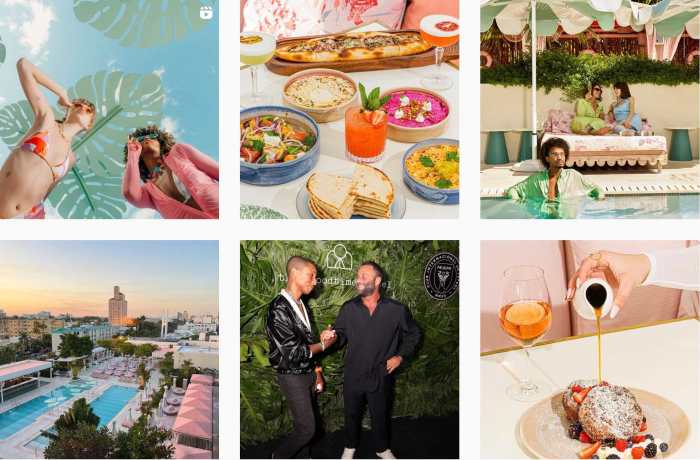
Attracting diverse customer segments requires tailored marketing strategies. Understanding the unique needs and preferences of different groups is crucial for effective advertising. This section includes articles specific ad campaigns designed for families, business travelers, and couples, highlighting the unique selling propositions (USPs) for each.
Family-Focused Campaigns
These campaigns should emphasize family-friendly amenities and activities. A primary focus should be on spacious accommodations, kid-friendly facilities, and kid-friendly entertainment.
- Accommodation: Highlight spacious rooms and suites designed for families, potentially with connecting rooms or interconnecting suites.
- Activities: Showcase on-site kids’ clubs, playgrounds, or family-friendly outdoor spaces.
- Dining: Emphasize family-style dining options, kid-friendly menus, or dining areas with high chairs.
- Value: Highlight packages that offer discounts or bundled services for families.
Business Traveler Campaigns
Business travelers prioritize convenience, efficiency, and connectivity. Highlighting these aspects is essential in attracting this segment.
- Location: Showcase proximity to business districts, airports, or important meeting venues.
- Connectivity: Emphasize high-speed internet access, business centers, and meeting rooms.
- Convenience: Highlight 24-hour room service, express check-in/check-out, and readily available transportation.
- Professionalism: Focus on modern, well-appointed rooms and suites, as well as professional staff.
Couple-Focused Campaigns
Romantic getaways and couples’ experiences are key elements of these campaigns.
- Romance: Showcase romantic amenities like in-room dining, couples’ massages, or access to luxurious spas.
- Relaxation: Highlight amenities that cater to relaxation, like outdoor pools, hot tubs, or serene environments.
- Privacy: Emphasize secluded locations or private balconies, or terraces.
- Exclusivity: Highlight special packages for couples or exclusive experiences like wine tastings.
Comparative Table of Campaigns
| Campaign | Target Audience | Key USPs |
|---|---|---|
| Family-Focused | Families with children | Spacious accommodations, kid-friendly facilities, family-style dining |
| Business Traveler | Business professionals | Convenience, connectivity, proximity to business districts, and professional amenities |
| Couple-Focused | Couples | Romantic amenities, relaxation facilities, privacy, exclusivity |
Effective Ad Strategies
Source: zingfront.com
Crafting compelling hotel advertisements requires more than just showcasing amenities. Successful campaigns resonate with potential guests on an emotional level, fostering a desire to experience the hotel’s unique atmosphere. This involves understanding target audiences, utilizing effective storytelling, and employing compelling calls to action.
Understanding the specific desires and motivations of various customer segments is paramount in creating impactful hotel ads. By focusing on the needs and aspirations of each group, hotels can tailor their messaging to create a strong connection and encourage bookings. A successful ad campaign resonates not only with the visual aspects of the hotel but also with the emotional experience it promises.
Successful Ad Campaign Examples
Several hotel chains have achieved remarkable success with their advertising campaigns, often employing innovative strategies. The effectiveness of these campaigns lies in their ability to highlight unique selling propositions, create a sense of anticipation, and encourage bookings. For example, a campaign featuring immersive visuals of a beachfront hotel could highlight the tranquil escape and relaxation it offers, appealing to guests seeking a peaceful getaway.
Memorable and Impactful Techniques
Various techniques contribute to the memorability and impact of hotel ads. Visual storytelling is a crucial element, with high-quality imagery and videography conveying the essence of the hotel’s experience. The use of captivating music, evocative sound effects, and atmospheric lighting can further enhance the emotional impact, evoking a sense of place and desired mood.
Calls to Action (CTAs)
Effective CTAs are critical in driving bookings. Clear and concise calls to action, such as “Book Now,” “Explore Our Offers,” or “Visit Our Website,” guide potential guests towards the next step in the booking process. The placement and design of the CTA are equally important, ensuring it stands out and is easily accessible.
Storytelling in Hotel Ads
Storytelling is a powerful tool in hotel advertising. A well-crafted narrative can connect with viewers on an emotional level, painting a picture of the desired experience. Instead of simply listing amenities, ads can feature a story about a couple celebrating an anniversary or a family creating lasting memories. This personal touch can evoke feelings of excitement and anticipation, increasing the likelihood of bookings.
Testimonials and User-Generated Content
Testimonials and user-generated content play a crucial role in building trust and credibility. Positive reviews and testimonials from previous guests provide social proof, reinforcing the positive perception of the hotel. User-generated content, such as photos and videos posted by satisfied guests, adds authenticity and relatability to the advertising. This builds confidence and encourages potential guests to choose the hotel based on genuine experiences.
Visual Appeal and Design
A compelling visual presentation is paramount in hotel advertising. A well-designed advertisement can effectively communicate the hotel’s brand identity, ambiance, and unique selling points to potential guests. This section delves into the crucial visual elements that elevate a hotel ad’s impact.
Principles of Visual Design, Best Hotel Ads
Effective visual design principles are essential for creating memorable and engaging hotel advertisements. These principles guide the arrangement and presentation of visual elements, ensuring a cohesive and aesthetically pleasing final product. Adherence to these guidelines enhances the ad’s ability to resonate with the target audience.
- Visual Hierarchy: Prioritizing elements through size, color, and placement guides the viewer’s eye to key features like the hotel logo, amenities, or a call to action. This ensures the most important aspects stand out.
- Balance and Proportion: Visual balance ensures that elements are distributed evenly, creating a sense of harmony. Proportion ensures that elements are in a suitable size relationship to each other and the overall space, fostering a visually pleasing and balanced composition.
- Emphasis and Focal Point: Highlighting a specific area or element within the advertisement directs the viewer’s attention to the most important aspects, enhancing engagement.
- Unity and Harmony: Ensuring a consistent visual style across the advertisement, including colors, fonts, and imagery, fosters a sense of unity and cohesiveness.
- Contrast and Variety: Employing contrasting colors, shapes, and textures creates visual interest and prevents monotony, keeping the viewer engaged.
Effective Color Palettes
Color palettes play a significant role in setting the mood and conveying the hotel’s brand identity. A well-chosen color palette can evoke specific feelings and create a connection with the target audience.
- Warm Tones (reds, oranges, yellows): These colors often convey warmth, excitement, and energy, suitable for promoting luxury or family-friendly hotels.
- Cool Tones (blues, greens, purples): These colors often evoke tranquility, relaxation, and sophistication, suitable for promoting upscale or boutique hotels.
- Neutral Tones (whites, grays, beiges): These colors provide a sense of calm and sophistication, often used in advertisements for hotels that emphasize elegance and modern design.
- Example: A hotel advertising a luxurious resort experience might use a palette of deep blues, creams, and golds to evoke a sense of opulence and tranquility. A budget-friendly hotel could use vibrant colors and bright patterns to communicate affordability and energy.
High-Quality Photography and Videography
High-quality visuals are essential for creating compelling hotel advertisements. Professional photography and videography showcase the hotel’s ambiance, amenities, and services in a realistic and captivating manner.
- Photography: High-resolution images that capture the hotel’s architectural details, interior design, and outdoor spaces are critical. They should be sharp, well-lit, and accurately represent the hotel’s true aesthetic.
- Videography: Videos allow for a dynamic presentation of the hotel, showcasing its ambiance, facilities, and services. High-quality videos can effectively communicate the hotel’s unique atmosphere and appeal.
- Importance: High-quality visuals are crucial for building trust and credibility with potential guests. They provide a realistic impression of the hotel, leading to increased bookings and positive reviews.
Typography in Hotel Advertisements
Typography in hotel ads can significantly impact the overall impression and readability of the advertisement.
- Font Choice: Selecting fonts that complement the hotel’s brand identity and evoke the desired mood is important. For example, a classic serif font might convey sophistication, while a modern sans-serif font could suggest modernity.
- Font Size and Style: Choosing appropriate font sizes and styles ensures readability and visual appeal. Font size should be proportionate to the size of the advertisement and other visual elements.
- Font Color: The Color contrast between the font and the background is essential for readability. Using contrasting colors ensures that the text is easily visible against the backdrop.
Comparison of Visual Styles
Different visual styles can effectively communicate different aspects of a hotel.
| Visual Style | Description | Suitable for |
|---|---|---|
| Modern | Clean lines, minimalist design, neutral colors | Hotels focusing on contemporary design and minimalist aesthetics |
| Classic | Traditional elements, rich colors, ornate details | Hotels with a heritage or upscale ambiance |
| Rustic | Natural materials, warm colors, organic shapes | Hotels emphasizing a connection with nature and a relaxed atmosphere |
| Bold and Playful | Bright colors, dynamic imagery, unconventional layouts | Hotels targeting a younger or more energetic demographic |
Ad Measurement and Analysis: Best Hotel Ads
Measuring the effectiveness of hotel advertisements is crucial for optimizing campaigns and maximizing return on investment. A robust measurement strategy involves tracking key performance indicators (KPIs) across various touchpoints, from initial impressions to booking conversions. Analyzing this data allows hotels to understand which advertising channels and creative assets resonate most with their target audience.
A comprehensive analysis of ad performance goes beyond simply counting clicks or impressions. It requires a deep dive into the customer journey, identifying patterns and insights that can inform future ad strategies. This data-driven approach is essential for tailoring campaigns to specific customer segments and ensuring the highest possible conversion rates.
Key Metrics for Evaluating Ad Success
Understanding the various metrics that quantify ad performance is critical for measuring the success of hotel advertisements. Different metrics provide insight into different aspects of the campaign’s impact. The choice of metrics depends on the specific goals of the campaign. For example, a campaign focused on brand awareness might prioritize impressions and reach, while a campaign focused on driving bookings might prioritize conversions and click-through rates.
- Website Traffic: Tracking website traffic provides insight into the effectiveness of driving users to the hotel’s website. Increased traffic often correlates with increased bookings. This metric helps determine the overall reach and appeal of the ad.
- Click-Through Rate (CTR): CTR measures the percentage of users who click on an ad after viewing it. A higher CTR suggests that the ad copy, visuals, and targeting are effective in attracting the target audience’s attention.
- Conversion Rate: Conversion rate tracks the percentage of website visitors who complete a desired action, such as making a reservation or signing up for a newsletter. A higher conversion rate demonstrates the ad’s ability to motivate users to take the desired action.
- Cost Per Acquisition (CPA): CPA represents the cost incurred to acquire a new customer through an advertisement. Optimizing CPA is crucial for maintaining profitability and efficiency in ad campaigns.
- Return on Ad Spend (ROAS): ROAS is a critical metric that measures the revenue generated for every dollar spent on advertising. A high ROAS signifies that the ad campaign is highly profitable.
- Brand Awareness: This metric tracks the visibility and recognition of the hotel brand. Measuring brand awareness through surveys or social media engagement can demonstrate the campaign’s impact on overall brand recognition.
Tracking Ad Performance and Monitoring Key Metrics
Tracking the performance of hotel ads requires a systematic approach across different platforms. Utilizing analytics tools provided by each advertising platform is vital. Combining data from multiple sources, such as website analytics, social media analytics, and CRM data, provides a holistic view of campaign performance.
- Utilize platform analytics: Leveraging the built-in analytics tools of platforms like Google Ads, Facebook Ads, or Instagram Ads provides valuable insights into campaign performance, including impressions, clicks, and conversions.
- Implement website analytics: Tools like Google Analytics track website traffic, user behavior, and conversion rates, allowing a deep dive into how users interact with the website after clicking the ad.
- Integrate CRM data: Connecting ad data with customer relationship management (CRM) systems allows for a more detailed understanding of how ads influence bookings and customer behavior.
Analyzing Data from Multiple Sources
Analyzing data from diverse sources is paramount to understanding the full impact of a hotel’s advertising campaigns. By combining data from various sources, a comprehensive understanding of campaign effectiveness emerges. This holistic approach allows for more informed decisions and improved campaign optimization.
| Metric | Importance |
|---|---|
| Website Traffic | Measures ad effectiveness in driving users to the hotel’s website. |
| Click-Through Rate (CTR) | Indicates ad’s effectiveness in capturing user attention. |
| Conversion Rate | Demonstrates the ad’s ability to motivate users to take the desired action. |
| Cost Per Acquisition (CPA) | Highlights the cost efficiency of acquiring new customers. |
| Return on Ad Spend (ROAS) | Measures the profitability of the advertising campaign. |
| Brand Awareness | Evaluates the impact of the campaign on overall brand recognition. |
Emerging Trends in Hotel Advertising
Modern hotel advertising is evolving rapidly, driven by technological advancements and shifting consumer preferences. This dynamic environment necessitates a keen understanding of current trends to effectively reach target audiences and achieve optimal results. Hotels must adapt their strategies to leverage new technologies and tailor their messaging to resonate with diverse customer segments.
Hotel advertising is no longer simply about showcasing amenities; it’s about creating immersive experiences that cater to specific needs and desires. This involves a strategic integration of various channels, leveraging data-driven insights, and fostering meaningful connections with potential guests.
Current Trends in Hotel Advertising
Hotels are increasingly embracing digital platforms to engage potential guests. Social media marketing plays a critical role in building brand awareness, fostering community engagement, and showcasing the hotel’s unique character. Interactive advertising formats, such as quizzes and polls, are gaining traction as they encourage audience participation and provide valuable data for tailoring future campaigns.
Role of Technology in Shaping Future Hotel Ad Campaigns
Technology is transforming how hotels connect with guests. Data analytics tools provide insights into guest preferences, enabling personalized recommendations and targeted advertising. AI-powered chatbots are becoming common tools for handling customer inquiries and providing real-time support, leading to improved guest satisfaction and efficient operations. This data-driven approach, coupled with advancements in user experience design, creates a seamless and personalized guest journey.
Use of Virtual Reality (VR) or Augmented Reality (AR) in Hotel Advertising
VR and AR technologies offer immersive experiences that allow potential guests to virtually explore hotel rooms, amenities, and surrounding areas. This creates a tangible connection with the property, enabling guests to visualize their stay before arriving. For example, a VR tour of a luxury hotel suite, complete with panoramic views and interactive room features, can significantly enhance the pre-booking experience.
Personalization in Hotel Advertising
Personalization is crucial in today’s hotel advertising. By leveraging data collected from previous bookings, browsing history, and social media activity, hotels can tailor their advertisements to individual preferences. This can involve showcasing specific room types, amenities, or experiences that resonate with a particular guest segment. For instance, a family booking a stay might receive ads highlighting family-friendly amenities and activities, while a business traveler might see ads featuring conference facilities and premium services.
Influencer Marketing in Hotel Ads
Influencer marketing is gaining traction in the hotel industry. Hotels are partnering with travel influencers to showcase their properties to a wider audience. This collaborative approach often involves authentic experiences, providing valuable insights and recommendations to potential guests. For example, a food critic might collaborate with a hotel to showcase their culinary offerings, or a travel blogger might share their experience with a unique hotel stay, potentially generating a surge in bookings and brand awareness.
Ad Copy and Messaging
Crafting compelling ad copy is crucial for attracting the right hotel guests. A well-written ad can effectively communicate a hotel’s unique selling propositions and create a strong emotional connection with potential customers. Effective ad copy should be more than just a list of features; it should paint a picture of the experience.
Compelling Ad Copy Examples
Different hotel types require tailored ad copy. Here are some examples highlighting various approaches.
- Luxury Resort: “Escape to paradise at [Resort Name]. Indulge in unparalleled luxury with our exquisite accommodations, gourmet dining, and rejuvenating spa treatments. Unwind on pristine beaches, explore hidden coves, and create memories that last a lifetime.”
- Budget-Friendly Hotel: “Experience comfort and convenience without breaking the bank at [Hotel Name]. Our clean, modern rooms offer everything you need for a stress-free stay. Enjoy complimentary breakfast and free Wi-Fi in our central location.”
- Boutique Hotel: “Discover the charm of [Hotel Name], a unique haven in the heart of [City]. Our meticulously designed rooms and warm hospitality will transport you to a world of refined elegance. Explore local favorites, savor delectable cuisine, and embrace the city’s vibrant culture.”
- Family-Friendly Hotel: “Create unforgettable family memories at [Hotel Name]. Our spacious suites, kid-friendly amenities, and engaging activities will ensure everyone enjoys their stay. Relax by our pool, play games in our arcade, and savor delicious meals together.”
Concise and Clear Messaging
Clear and concise messaging is vital in hotel advertising. Ambiguous or overly complex language can confuse potential guests and lead to missed bookings. Use short, impactful sentences and avoid jargon. Highlight the key benefits and features that resonate with your target audience.
Highlighting Unique Features
Effective ad copy should showcase what sets a hotel apart. Research the unique selling points (USPs) of your hotel and highlight them in your ad copy. This could include exceptional service, a specific location, unique amenities, or a memorable experience.
- Example: A hotel with a rooftop bar with panoramic city views should emphasize this feature in its ad copy, showcasing images and highlighting the “unforgettable city views” aspect.
- Example: If a hotel is known for its sustainable practices, emphasizing its eco-friendly initiatives and commitment to environmental responsibility can attract environmentally conscious travelers.
Ad Copy Styles Comparison
| Ad Copy Style | Description | Example | Target Audience |
|---|---|---|---|
| Emotional Appeal | Focuses on evoking feelings and creating a connection with the reader. | “Experience the tranquility of the mountains at [Hotel Name], where breathtaking views and warm hospitality await.” | Individuals seeking relaxation and a memorable experience. |
| Informative, | articulate the features and benefits of the hotel. | “Spacious rooms, complimentary breakfast, and a convenient location – book your stay at [Hotel Name] today!” | Budget-conscious travelers or those seeking practicality. |
| Problem/Solution | Presents the hotel as the solution to a traveler’s problem (e.g., stress, lack of convenience). | “Tired of cramped hotels? Enjoy spacious suites and personalized service at [Hotel Name]. Book now and unwind.” | Individuals seeking comfort and relaxation during travel. |
Ending Remarks

Source: webflow.com
In conclusion, creating effective hotel advertisements requires a multifaceted approach. By understanding the core elements of visual appeal, emotional connection, and strategic targeting, hotels can craft campaigns that resonate with their ideal customers. This comprehensive guide provides the framework for crafting compelling advertisements that not only attract attention but also drive bookings and build brand loyalty.