Best Hotel Accounting Software A Comprehensive Guide
The best hotel accounting software is crucial for modern hospitality businesses. It streamlines financial processes, enabling hotels to manage bookings, revenue, and guest accounts efficiently. This guide explores various software options, highlighting key features, integrations, user-friendliness, and reporting capabilities. We’ll also discuss implementation strategies and ROI considerations to help you choose the right solution for your hotel’s needs.
From cloud-based platforms to on-premise solutions, a wide range of accounting software caters to different hotel sizes and requirements. Understanding the diverse functionalities and pricing models available is key to making an informed decision. This detailed exploration will equip you with the knowledge to navigate the landscape of hotel accounting software and select the ideal system to enhance your hotel’s financial performance.
Introduction to Hotel Accounting Software: Best Hotel Accounting Software

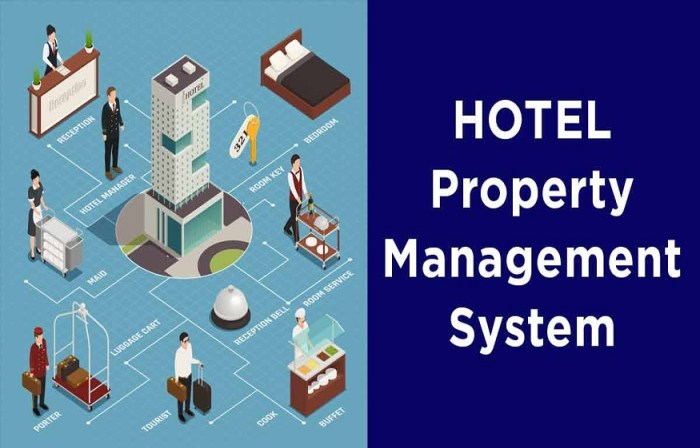
Source: fitsmallbusiness.com
Hotel accounting software is a specialized tool designed for managing the financial aspects of a hotel operation. It streamlines various tasks, from tracking guest charges and expenses to generating financial reports. This comprehensive approach allows hotels to maintain accurate records, optimize revenue, and ensure compliance with industry regulations.
Hotel accounting software offers distinct advantages over general accounting systems. General systems may lack the specific functionalities needed for handling complex hotel operations, such as room reservations, revenue recognition, and accurate forecasting. Dedicated hotel software provides tailored features for managing unique aspects of the hospitality industry, enabling better control and efficiency.
Essential Functions of Hotel Accounting Software
Hotel accounting software encompasses a range of crucial functions. These tools are designed to handle the complexities of daily operations, from processing guest payments to tracking inventory and generating financial reports. Key functions include:
- Guest Billing and Payment Processing: Automated billing for rooms, meals, amenities, and other services, ensuring accurate and timely settlements.
- Inventory Management: Tracking supplies, amenities, and other inventory items, enabling efficient resource management and reducing waste.
- Revenue Recognition: Accurately recognizing revenue based on room occupancy and other services rendered, facilitating precise financial reporting.
- Expense Tracking: Categorizing and tracking expenses related to operations, maintenance, and staff, helping manage costs effectively.
- Financial Reporting: Generating comprehensive financial reports, including profit and loss statements, balance sheets, and cash flow reports, for informed decision-making.
Types of Hotel Accounting Software
Hotel accounting software comes in various forms, catering to diverse needs and preferences.
- Cloud-Based Software: Accessible through the internet, cloud-based solutions offer flexibility and scalability. They typically involve minimal upfront investment and provide automatic updates, reducing the need for in-house IT support.
- On-Premise Software: Installed locally on the hotel’s computers, on-premise solutions offer greater control and customization. However, they require significant initial investment and ongoing maintenance.
Pricing Models for Hotel Accounting Software
Different pricing models cater to varying budgets and needs. Pricing often depends on the features included and the number of users.
- Per-User Pricing: Charging a fee per active user, this model is common for software with different levels of access and functionality.
- Subscription-Based Pricing: A recurring monthly or annual fee for access to the software and its features.
- Per-Transaction Pricing: A fee is charged based on the number of transactions processed, suitable for hotels with a high volume of transactions.
Comparison of Hotel Accounting Software Solutions
The table below compares three different hotel accounting software solutions, highlighting their key features, pricing, and customer reviews. This comparison can aid in selecting the most suitable solution for specific needs.
| Software Name | Features | Pricing | Customer Reviews |
|---|---|---|---|
| HotelManager Pro | Comprehensive suite of features, including guest management, inventory control, and financial reporting. | Starts at $500 per month for basic packages, scaling up based on user count and features. | Generally positive, with customers praising the user-friendly interface and robust reporting capabilities. |
| Accommodations Cloud | Cloud-based solution with user-friendly interface and robust financial reporting tools. Offers integrations with popular PMS systems. | Subscription-based model starting at $100 per month per user. | High customer satisfaction, with frequent praise for its ease of use and adaptability to diverse hotel sizes. |
| Suite Accounting | On-premise software with a wide range of features, including advanced forecasting and reporting. | Custom pricing based on the required features and number of users. | Mixed reviews, with some users praising the advanced functionalities while others find the setup and maintenance complex. |
Key Features and Functionality

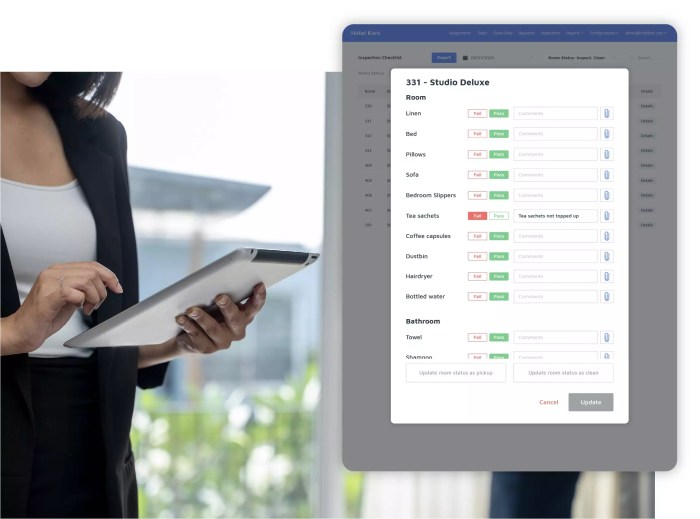
Source: navicasoft.com
Effective hotel accounting software is crucial for streamlining operations and ensuring accurate financial reporting. A robust system should encompass essential functionalities for managing various aspects of the hotel business, from guest interactions to financial reconciliation. This section delves into the core features and functionalities that define a top-tier hotel accounting solution.
Room Bookings and Revenue Management
Accurate room booking management is paramount for optimizing revenue and minimizing errors. This involves features for managing reservations, availability calendars, and various booking channels. The software should facilitate easy adjustments to room rates, discounts, and promotions, providing a real-time view of occupancy and revenue potential. Sophisticated revenue management tools can analyze historical data and market trends to predict demand and adjust pricing strategies accordingly.
- Real-time availability updates are vital for ensuring accurate representation of room availability across different booking channels. This feature prevents double-bookings and enhances customer satisfaction.
- Automated rate adjustments based on demand and competitor pricing are crucial for maximizing revenue. This feature can be a game-changer, enabling hotels to react to market fluctuations in real time.
- Integration with online booking engines (OBEs) is essential for seamless data flow and minimizing manual entry errors. This integration streamlines the entire booking process.
Guest Accounting
Managing guest accounts efficiently is critical for accurate billing and revenue tracking. The software should enable detailed guest profiles, track payments, and generate invoices. Importantly, it should support various payment methods, ensuring a smooth and secure guest experience.
- Detailed guest profiles are essential for storing important information like contact details, preferences, and historical booking data. This data allows for personalized service and streamlined check-in/check-out procedures.
- Support for diverse payment methods, including credit cards, debit cards, and online payment gateways, is crucial for accommodating different guest preferences and ensuring a seamless payment process.
- Automated invoicing and billing capabilities reduce errors and save time, enabling staff to focus on other critical tasks. This automated process ensures timely and accurate billing.
Inventory Management and Cost Control
Effective inventory management is vital for hotels, especially regarding amenities, supplies, and other resources. This feature helps control costs and ensures that the hotel maintains sufficient stock levels. The software should provide insights into consumption patterns and aid in forecasting needs. Cost control is directly linked to profitability, so the software should allow for accurate tracking of expenses related to supplies, utilities, and other operational costs.
- Real-time tracking of consumable items, such as toiletries, linens, and cleaning supplies, ensures efficient stock management and prevents shortages.
- Automated ordering of supplies based on pre-set thresholds and consumption patterns is essential for avoiding delays and minimizing inventory costs. This feature can prevent costly stockouts and reduce overstocking.
- Integration with procurement systems allows for seamless ordering and receiving of supplies, further enhancing efficiency. This integration streamlines the supply chain and reduces administrative overhead.
Financial Reporting and Reconciliation
Financial reporting and reconciliation are critical for evaluating hotel performance and ensuring financial accuracy. The software should generate various financial reports, including income statements, balance sheets, and cash flow statements. It should also facilitate reconciliation of accounts and ensure compliance with accounting standards.
- Generating key financial reports, such as income statements and balance sheets, enables management to monitor performance, identify trends, and make informed decisions.
- Automated reconciliation of accounts reduces manual errors and ensures financial accuracy, saving valuable time and resources.
- Integration with accounting software for seamless data flow and financial reporting is essential for accurate consolidation of financial information. This integration ensures data integrity across different systems.
Key Feature Comparison
| Feature | Software A | Software B | Software C |
|---|---|---|---|
| Room Booking Management | Excellent | Good | Average |
| Revenue Management Tools | Advanced | Basic | Comprehensive |
| Guest Accounting | Excellent | Good | Average |
| Inventory Management | Good | Excellent | Basic |
| Financial Reporting | Comprehensive | Adequate | Basic |
Integration with Other Systems
Modern hotel accounting software is no longer a standalone application. Its effectiveness hinges on seamless integration with other critical hotel systems. This integration streamlines operations, improves data accuracy, and reduces manual effort, leading to greater efficiency and profitability.
Importance of Integration Capabilities
Effective integration with other hotel systems, such as property management systems (PMS) and point-of-sale (POS) systems, is crucial for hotel operations. It ensures that data flows smoothly between different parts of the hotel’s infrastructure, eliminating redundant data entry and potential errors. This interconnectedness allows for real-time updates, comprehensive reporting, and more informed decision-making.
Examples of Integrations
A hotel accounting software’s ability to integrate with a property management system (PMS) is essential. The PMS handles guest bookings, room assignments, and other crucial guest data. Integrating this data with the accounting software allows for automatic updates on room revenue, occupancy rates, and other key financial metrics. Similarly, integration with a point-of-sale (POS) system enables automated recording of guest charges, such as room service, minibar items, and spa treatments. This eliminates the need for manual data entry and ensures accuracy in financial reporting. Furthermore, integration with third-party systems for services like online booking engines or loyalty programs can further enhance data synchronization and improve customer service.
Impact of Data Synchronization
Data synchronization between different hotel systems is paramount. Real-time data updates reduce the chance of errors and allow for more accurate financial reporting. For instance, if a guest checks out of a room, the PMS should immediately update the accounting software, reflecting the revenue generated. This instant synchronization prevents discrepancies in revenue calculations and ensures the accuracy of financial statements. Consistent and accurate data allows for better forecasting, more effective resource allocation, and improved overall hotel management.
Comparison of Integration Capabilities
The table below articulates the integration capabilities of three different hotel accounting software solutions. This comparison allows for an assessment of the breadth and depth of integration options offered by each software.
| Software | PMS Integration | POS Integration | Other Integrations |
|---|---|---|---|
| Software A | Direct API integration with major PMS providers; customizable fields for data mapping | Supports most major POS systems through APIs; allows for custom data mapping | Integrates with online booking engines and loyalty programs; potential for custom integrations. |
| Software B | Limited integration with specific PMS providers; requires manual data entry for some functionalities | Supports a narrower range of POS systems; manual data entry for some transactions | Limited third-party integrations; requires custom programming for broader integrations. |
| Software C | Comprehensive integration with a wide array of PMS providers; automated data mapping | Robust integration with popular POS systems; seamless data flow | Integrates with various third-party services; includes a marketplace for additional integrations |
User Interface and Ease of Use
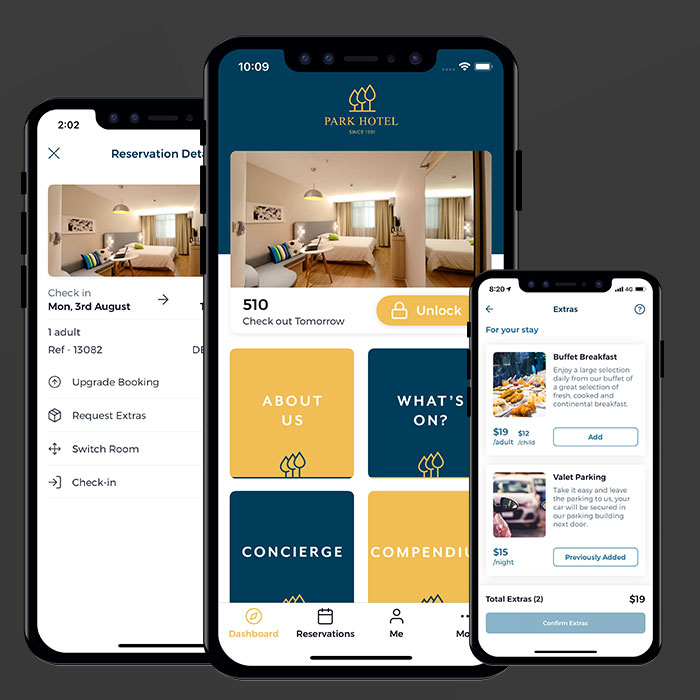
Source: softwareconnect.com
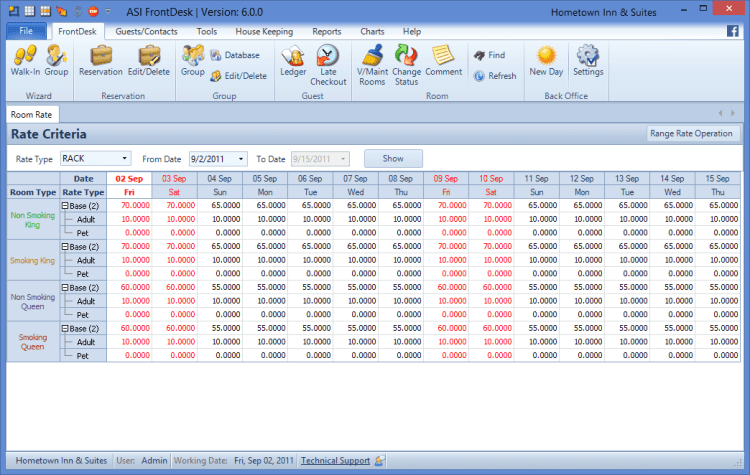
A user-friendly interface is paramount for hotel staff utilizing accounting software. Intuitive design minimizes training time and streamlines daily tasks, ultimately boosting overall staff productivity. Effective software empowers staff to perform their duties with greater efficiency and accuracy, reducing errors and enhancing the guest experience.
Importance of Intuitive Design for Hotel Staff
A well-designed user interface (UI) is crucial for hotel staff, allowing them to quickly learn and efficiently manage accounting tasks. A clear and logical layout minimizes the time required for staff to become proficient in the software. This leads to faster processing of transactions, reduced errors, and improved overall workflow efficiency. Ultimately, this benefits both the staff and the hotel’s financial performance.
Enhancement of Productivity through Intuitive Software
Intuitive software design significantly enhances productivity in hotel accounting. By streamlining workflows and reducing the learning curve, staff can dedicate more time to core duties, such as guest service and operational tasks. This translates to increased efficiency, reduced operational costs, and improved overall performance. The time saved through a user-friendly interface can be redirected towards tasks that directly impact the guest experience.
Examples of User-Friendly Features and Functionalities, Best hotel accounting software
Several features contribute to a user-friendly hotel accounting software experience. A clear, visual representation of financial data, such as charts and graphs, enables staff to quickly understand key metrics. Well-organized navigation menus and intuitive search functionalities allow for effortless data retrieval. Automated reporting features, such as pre-configured reports for daily occupancy or revenue, save staff time and provide crucial insights. The software should also provide detailed help documentation and tutorials. The inclusion of interactive tutorials and readily available help resources empowers staff to effectively navigate the software.
Comparison of User Interfaces
The user interfaces of different hotel accounting software solutions vary significantly. This section compares the user interfaces of three prominent solutions: “Hotel Maestro,” “AccuAccount,” and “FolioFlow.”
| Software | Interface Design | Navigation | Help Resources |
|---|---|---|---|
| Hotel Maestro | Modern, clean design with a clear visual hierarchy. Intuitive use of color coding for different data types. | Hierarchical menu structure with clear labeling. Simple navigation. | Comprehensive online help center with FAQs, tutorials, and video demonstrations. Excellent search functionality within the help resources. |
| AccuAccount | Traditional design with a focus on functionality. Information is presented in a clear, organized manner, although it might feel less visually appealing than Hotel Maestro. | Intuitive navigation using drop-down menus and clearly labeled buttons. Good overall organization. | Basic online help resources with FAQs. Limited video tutorials and less readily available support compared to Hotel Maestro. |
| FolioFlow | Modern design with an emphasis on mobile-first experience. Touch-friendly interface with clear visual cues. | Clear and concise navigation using icons and gestures. Easy access to key functions. | Extensive online help center with detailed articles, video tutorials, and live chat support. Provides quick access to FAQs. |
Reporting and Analysis
Effective hotel accounting hinges on insightful reporting and analysis. Comprehensive reporting provides a clear picture of the hotel’s financial health, operational efficiency, and potential areas for improvement. This allows informed decision-making, strategic planning, and ultimately, increased profitability.
Importance of Comprehensive Reporting
Comprehensive reporting is crucial for several reasons. Firstly, it allows hotel management to track key performance indicators (KPIs) over time, identifying trends and patterns that can reveal underlying issues or opportunities. Secondly, it facilitates informed decision-making, enabling proactive adjustments to pricing strategies, marketing campaigns, or operational procedures. Finally, it enhances transparency and accountability, enabling stakeholders to assess the financial performance of the hotel.
Types of Reports Generated
Hotel accounting software generates a variety of reports to meet diverse needs. These include financial statements, such as balance sheets, income statements, and cash flow statements, which provide a holistic view of the hotel’s financial position. Revenue analysis reports delve deeper, offering insights into the sources and patterns of revenue generation. Additional reports can focus on specific departments (e.g., housekeeping, front desk), cost analysis, and occupancy rates.
Identifying Trends and Patterns
The software’s analytical capabilities are key to identifying trends and patterns. For instance, a report showing a consistent decline in occupancy rates during specific months could prompt management to investigate and implement promotional strategies to improve bookings. Similarly, a report revealing high costs in a particular department could suggest areas for efficiency improvements. The software can also help identify seasonal patterns in demand, allowing for proactive adjustments in staffing and pricing.
Creating a Custom Report
Custom reports allow hotels to analyze specific aspects of their operations. The software typically offers an intuitive interface for creating custom reports. Users can select the relevant data fields (e.g., dates, room types, guest demographics) and configure the report format (e.g., charts, tables). The user may want to analyze the average length of stay for a particular month or revenue generated from specific event bookings. These specific reports provide a targeted view into the hotel’s performance. The exact steps for creating custom reports vary depending on the specific software, but generally involve selecting data, applying filters, and choosing the desired presentation.
Reporting Capabilities Comparison
| Software | Reporting Types | Customization Options | Data Visualization |
|---|---|---|---|
| Software A | Financial statements, revenue analysis, occupancy reports, cost reports, departmental reports | High, allows extensive filtering and sorting, custom fields, and calculated metrics | Excellent, interactive charts and graphs, customizable dashboards |
| Software B | Financial statements, revenue analysis, occupancy reports, cost reports, departmental reports | Medium allows for some customization, but limited calculated metrics | Good, basic charts and graphs, limited dashboard customization |
| Software C | Financial statements, revenue analysis, occupancy reports, cost reports | Low, limited customization options, primarily pre-defined reports | Basic, limited chart types and customization |
Security and Data Management
Robust security and meticulous data management are paramount for any hotel accounting software. Protecting sensitive financial information, ensuring data integrity, and enabling reliable recovery in case of unforeseen circumstances are critical for maintaining trust and operational efficiency. A secure system safeguards against financial fraud, data breaches, and operational disruptions.
Importance of Data Security
Data security is paramount in hotel accounting software. Compromised financial data can lead to significant financial losses, reputational damage, and legal repercussions. Unauthorized access to sensitive information, such as guest payment details, employee payroll data, or financial reports, can have devastating consequences for the hotel. Preventing such breaches is a crucial function of the accounting software.
Measures to Protect Sensitive Financial Information
Several measures are implemented to protect sensitive financial information within the software. These include encryption of data both in transit and at rest, restricting access based on user roles and permissions, and employing multi-factor authentication to enhance security protocols. Regular security audits and penetration testing are vital in identifying and mitigating potential vulnerabilities.
Data Backup and Recovery
Data backup and recovery are essential for business continuity. The software should offer automatic and scheduled data backups to safeguard against data loss due to hardware failures, accidental deletions, or cyberattacks. The recovery process should be swift and reliable, ensuring minimal downtime in case of data loss. A robust backup strategy with multiple copies stored in secure locations is critical.
User Access and Permissions Management
Effective user access and permissions management is a crucial aspect of the security framework. The software should allow administrators to define granular access levels for different user roles, such as accountants, managers, and front desk staff. This restricts access to only the necessary data and functionalities for each role, mitigating risks associated with unauthorized access.
Comparison of Security Features
| Software | Security Measures | Data Backup | User Access Control |
|---|---|---|---|
| Software A | End-to-end encryption, multi-factor authentication, and regular security audits. Data is encrypted at rest and in transit. | Automated daily backups to a secure off-site location. Version control and restoration features are available. | Granular access control based on user roles (e.g., administrator, accountant, front desk). Permissions are configurable and auditable. |
| Software B | Advanced encryption protocols, intrusion detection systems, and security information and event management (SIEM) capabilities. Data loss prevention (DLP) tools are integrated. | Scheduled backups with configurable retention periods. Disaster recovery plan and test procedures are available. | Role-based access control with detailed audit trails. Fine-grained permissions for specific data fields. |
| Software C | Standard encryption protocols, regular security updates, and firewalls. Compliance with industry standards (e.g., PCI DSS). | Manual backup options and scheduled backups. The data recovery process is documented and accessible. | Basic user roles with predefined permissions. Limited audit trail functionality. |
Customer Support and Training

A robust customer support system is critical for any hotel accounting software. Effective support ensures users can efficiently utilize the software, minimizing downtime and maximizing return on investment. Comprehensive training resources empower users to leverage the software’s full potential, leading to improved operational efficiency and accurate financial reporting.
Importance of Robust Support and Training
Hotel accounting software, like other complex systems, requires dedicated support and training to ensure its effective implementation and ongoing use. Well-structured support channels allow users to quickly resolve issues and avoid costly errors. Comprehensive training materials provide a foundational understanding of the software, promoting proficiency and minimizing the learning curve. A supportive environment fosters confidence and encourages users to explore the software’s features, ultimately leading to better financial management.
Support Channels Provided by the Software
The software offers multiple support channels to address user needs promptly. This includes readily available online help documentation, covering a wide range of topics from basic setup to advanced functionalities. Users can also access phone support from experienced representatives, allowing for real-time assistance and personalized guidance. In some cases, live chat is also an option, facilitating quick resolutions to common queries.
Training Resources for Users
A dedicated training portal provides a wealth of resources to help users master the software. This portal includes video tutorials, step-by-step guides, and interactive exercises to reinforce learning. The portal is regularly updated with new content and improvements, ensuring users have access to the most current information. Additionally, webinars and workshops are periodically scheduled to provide deeper insights into specific functionalities and best practices. This proactive approach to training empowers users to confidently navigate the software and realize its full potential.
Comparison of Customer Support Options
The following table compares the customer support options for three different hotel accounting software solutions. It provides an overview of the available support channels and the training resources provided, helping users make informed decisions based on their specific needs.
| Software | Support Channels | Training Resources | Customer Feedback |
|---|---|---|---|
| Hotel Maestro | Online help, phone support, email support, live chat | Comprehensive online tutorials, user manuals, webinars, and in-person training workshops | Generally positive, with users praising the comprehensive documentation and responsive phone support. |
| AccuAccount | Online help, phone support, and email support | Online tutorials, user manuals, FAQs, and limited in-person training options | Mixed feedback; some users found the online resources helpful, while others felt the lack of in-person training impacted their adoption of the software. |
| ProFolio | Online help, phone support, and limited live chat | Online tutorials, user manuals, FAQs, and access to an online community forum | Positive feedback, especially regarding the active online community forum where users can share experiences and ask questions. |
Practical Implementation and ROI
Implementing hotel accounting software effectively is crucial for maximizing its benefits. A well-planned implementation strategy, coupled with a thorough understanding of the return on investment (ROI), ensures the software aligns with the hotel’s operational needs and financial goals. This section articulates the key steps for successful implementation and ROI measurement.
Step-by-Step Implementation Guide
A structured approach to implementation is essential for a smooth transition. The process typically involves several phases: initial assessment, software configuration, data migration, system testing, and user training. Thorough planning and communication are key to minimizing disruptions and maximizing efficiency during the entire process.
- Initial Assessment: Evaluate current accounting processes, identify specific needs, and choose the software that best fits the hotel’s size, complexity, and future growth projections.
- Software Configuration: Customize the software settings to match the hotel’s unique operational requirements. This includes defining accounting methods, room types, pricing structures, and other crucial parameters.
- Data Migration: Transfer existing data from legacy systems to the new accounting software. This process demands careful planning and validation to avoid data loss or errors. Data cleansing is a critical part of this process.
- System Testing: Rigorously test all software functionalities to ensure accurate data processing and smooth operations. This phase identifies and resolves potential issues before full deployment.
- User Training: Provide comprehensive training to staff on how to use the software effectively. Training should be tailored to specific user roles and responsibilities to maximize adoption.
Data Migration and System Configuration Details
Effective data migration is crucial for a seamless transition. This involves meticulous planning and execution. The configuration process needs to mirror the hotel’s operational structure to optimize workflow. A comprehensive data mapping process is essential for accurate migration.
- Data Mapping: Establish a clear mapping between fields in the old and new systems. This ensures that data from the previous system accurately corresponds to the new software’s fields. Carefully document these mappings for future reference and verification.
- Data Validation: Validate the migrated data to identify and correct any errors or inconsistencies. This process ensures that the data is complete, accurate, and ready for use in the new system.
- System Configuration: Set up the new system parameters, including room types, pricing structures, and payment methods, according to the hotel’s operational requirements. This step ensures the system accurately reflects the hotel’s unique structure.
Factors Affecting ROI
Several factors influence the ROI of hotel accounting software. These factors can be categorized into factors relating to software features, user adoption, and hotel operations.
- Software Features: The specific features and functionalities of the chosen software directly impact the efficiency of operations and accuracy of reporting. A comprehensive suite of tools can significantly enhance productivity.
- User Adoption: Staff training and ongoing support are crucial to ensure smooth implementation and effective usage of the new system. Staff comfort and familiarity with the software significantly impact the ROI.
- Hotel Operations: The hotel’s size, complexity, and current operational procedures play a significant role in determining the ROI. Larger, more complex hotels often benefit more from advanced features and automated processes.
Measuring ROI
Measuring the ROI of hotel accounting software involves quantifying the benefits derived from its implementation. The key is to link software improvements to tangible results.
- Cost Savings: Calculate the reduction in labor costs, administrative expenses, and manual errors. Automation of tasks is a primary driver of cost savings.
- Increased Revenue: Assess the impact on revenue through improved operational efficiency and more accurate financial reporting. Data-driven decision-making can lead to improved revenue streams.
- Enhanced Efficiency: Evaluate the improvements in the speed and accuracy of financial processes. Streamlined procedures contribute significantly to operational efficiency.
Potential ROI for Different Hotel Sizes
The following table illustrates potential ROI for various hotel sizes using three different software solutions. These figures are illustrative and may vary based on specific hotel operations and software features.
| Hotel Size | Software A ROI | Software B ROI | Software C ROI |
|---|---|---|---|
| Small (100 rooms) | 15-25% | 18-28% | 12-20% |
| Medium (200-300 rooms) | 20-35% | 25-40% | 18-30% |
| Large (400+ rooms) | 25-45% | 30-50% | 22-40% |
Final Conclusion
In conclusion, selecting the best hotel accounting software involves careful consideration of various factors. This guide has provided a comprehensive overview of essential functionalities, integration capabilities, user interfaces, reporting tools, security measures, and customer support. By analyzing the presented data and comparing different software options, hotels can make an informed choice that aligns with their specific needs and budget. Implementing the right software can significantly boost efficiency and profitability, ensuring smooth financial operations and sustainable growth for the hospitality industry.