QuickBooks for Hotels A Comprehensive Guide
QuickBooks for hotels offers a powerful solution for managing all aspects of your hotel’s operations. This guide delves into the core functionalities of QuickBooks, highlighting its suitability for hotels and demonstrating how it can streamline processes, from accounting and inventory management to reservations and guest relationship management. We’ll also cover integration with other systems and best practices for optimizing QuickBooks within a hotel setting.
This resource provides a practical overview of how QuickBooks can enhance your hotel’s efficiency. By understanding how to effectively use QuickBooks for various hotel functions, you can improve accuracy, track key metrics, and gain valuable insights into your business performance.
Introduction to QuickBooks for Hotels
Source: officetemplates.net
QuickBooks, a widely used accounting software, offers a robust solution for managing the financial aspects of hotel operations. Its user-friendly interface and comprehensive features make it an attractive option for hotels of various sizes, from small boutique establishments to larger chains. This overview delves into the specifics of QuickBooks for hotels, highlighting its capabilities and benefits.
QuickBooks, designed primarily for small and medium-sized businesses, provides essential tools for tracking income and expenses, managing accounts payable and receivable, and generating financial reports. Its adaptability to the unique needs of hotels, combined with its ease of use, makes it a practical choice for hotel owners and managers seeking a streamlined financial management system.
Core Functionalities of QuickBooks for Hotels
QuickBooks offers a range of functionalities crucial for hotel operations. These tools allow for efficient tracking of reservations, room revenue, and expenses related to housekeeping, maintenance, and other operational costs. Accurate financial reporting is facilitated, providing clear insights into the profitability and performance of different departments within the hotel. This empowers informed decision-making regarding pricing strategies, staff management, and operational improvements.
Potential Benefits of Using QuickBooks for Hotel Management
Implementing QuickBooks in a hotel can yield significant benefits. It enhances operational efficiency by automating tasks such as invoicing, expense tracking, and reconciliation. Improved financial control is achieved through accurate and timely reporting, enabling proactive management of cash flow and budgeting. This can lead to better cost control, allowing for optimized pricing strategies and improved profitability. The detailed financial insights provided by QuickBooks contribute to informed decision-making across all aspects of hotel operations.
Streamlining Hotel Processes with QuickBooks
QuickBooks streamlines various hotel processes, from booking management to financial reporting. Automated invoicing reduces manual effort and minimizes errors. Real-time tracking of revenue and expenses enables proactive management of cash flow and helps identify potential issues early. Enhanced reporting capabilities provide valuable insights into key performance indicators (KPIs), aiding in informed decision-making regarding pricing, marketing, and staff management. By centralizing financial data, QuickBooks simplifies the overall management of hotel operations.
Comparison of QuickBooks to Other Hotel Management Software
| Feature | QuickBooks | Other Hotel Management Software (e.g., Opera, Micros) |
|---|---|---|
| Pricing | Generally more affordable for basic accounting needs. May require add-ons for more advanced hotel-specific features. | Typically more expensive due to specialized hotel features, but often offers a comprehensive suite of functionalities. |
| Ease of Use | User-friendly interface, especially for basic accounting tasks. Learning curve for advanced features may vary. | May have a steeper learning curve, but often offers more in-depth functionality tailored to hotel operations. |
| Reservation Management | Limited reservation management features; typically integrates with external reservation systems. | Comprehensive reservation management, often integrated with property management systems (PMS) for a unified platform. |
| Reporting | Standard accounting reports, but limited hotel-specific reports. | Extensive reporting capabilities tailored to hotel metrics, including occupancy rates, revenue per available room (RevPAR), and more. |
| Integration with other systems | Good integration with other accounting and banking systems. Integration with hotel PMS systems may require third-party solutions. | Typically integrated with other hotel systems like PMS, POS, and property management systems, offering a unified platform. |
The table highlights key differences between QuickBooks and other specialized hotel management software. Consider your hotel’s specific needs and budget when making a choice. QuickBooks is a viable option for hotels that prioritize basic accounting functionality and cost-effectiveness. Specialized software provides more comprehensive tools for hotel-specific tasks.
Accounting and Financial Management

QuickBooks for Hotels provides a streamlined approach to managing the financial aspects of a hotel business. It allows for efficient tracking of revenue, expenses, and profitability, empowering owners and managers to make informed decisions. This comprehensive system simplifies the complexities of hotel accounting, enabling accurate financial reporting and improved overall business performance.
Hotel-Specific Accounting Tasks in QuickBooks
QuickBooks offers specialized features tailored to hotel operations. These include handling room reservations, managing guest payments, and processing various hotel-specific transactions. This ensures that the software accurately reflects the unique nature of hotel financial activities.
Financial Reports in QuickBooks
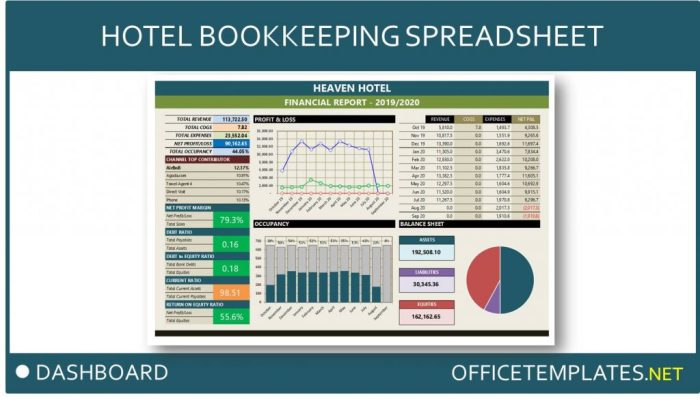
QuickBooks offers a range of financial reports crucial for hotel management. These reports provide insights into key financial metrics, enabling proactive decision-making. Examples include profit and loss statements, balance sheets, and cash flow statements, all specifically designed to reflect hotel operations. Furthermore, QuickBooks allows for customized reports to meet specific reporting needs.
Tracking Revenue, Expenses, and Profitability
QuickBooks facilitates the tracking of revenue from various sources, including room rentals, food and beverage sales, and other services. Expenses are categorized into different departments, allowing for detailed analysis of cost structures. Profitability is calculated by comparing revenue and expenses, providing a clear picture of the financial health of the hotel. Key performance indicators (KPIs) can be tracked through reports, providing valuable insight into operational efficiency.
Payroll Management for Hotel Staff
QuickBooks streamlines payroll processing for hotel staff. It allows for the management of employee information, including hours worked, pay rates, and deductions. The system can be configured to handle different payroll structures common in the hospitality industry, such as commission-based compensation. Automated tax calculations and reporting features ensure compliance with tax regulations.
Common Hotel Expenses and Tracking in QuickBooks
- Room Maintenance: Expenses related to cleaning, repairs, and maintenance of hotel rooms are easily categorized and tracked. This allows for accurate budgeting and cost control for this essential aspect of hotel operations.
- Utilities: Electricity, water, and gas costs are categorized and tracked, providing insights into utility consumption and potential cost-saving opportunities. This helps in identifying areas for efficiency improvements.
- Staff Salaries: Payroll expenses are categorized by employee role and department, enabling accurate tracking of staff-related costs. This facilitates accurate budget allocation and analysis of labor costs.
- Marketing and Advertising: Expenses related to advertising, promotions, and marketing campaigns are recorded and analyzed. This enables hotels to assess the effectiveness of their marketing strategies and optimize future campaigns.
- Supplies: Expenses for cleaning supplies, toiletries, and other consumables are categorized and tracked, allowing for effective inventory management and cost control. This leads to a more efficient use of resources.
| Expense Category | Tracking Method in QuickBooks |
|---|---|
| Room Maintenance | Categorized under specific room or maintenance accounts |
| Utilities | Separate accounts for electricity, water, and gas |
| Staff Salaries | Payroll module, categorized by employee role and department |
| Marketing and Advertising | Specific accounts for marketing campaigns |
| Supplies | Inventory management and expense tracking |
Reservations and Bookings Management
QuickBooks offers robust tools for managing hotel reservations and bookings, streamlining operations, and enhancing efficiency. Proper tracking and management of these details are crucial for accurate revenue projections, optimized room allocation, and overall financial health. This section details how QuickBooks facilitates these tasks.
Effective reservation management in QuickBooks hinges on seamless integration with existing hotel reservation systems. This allows for automatic synchronization of booking data, minimizing manual entry errors and ensuring data consistency across platforms. Furthermore, QuickBooks can handle various booking types, from standard reservations to special packages or group bookings.
Integration with Hotel Reservation Systems
QuickBooks can integrate with various third-party hotel reservation systems through APIs or custom integrations. This synchronization ensures real-time updates of reservations, room availability, and guest information. The specific integration process will vary depending on the chosen reservation system. Hotels can configure the integration to automatically import new bookings into QuickBooks, reducing manual data entry and the potential for errors.
Tracking Guest Reservations in QuickBooks
QuickBooks facilitates the tracking of guest reservations through various methods. Each reservation can be assigned a unique reservation number, facilitating easy identification and retrieval of guest details. A comprehensive guest profile can be maintained, including contact information, preferred room types, and special requests. Detailed reservation notes can also be added, ensuring a clear record of any specific instructions or preferences.
Managing Room Bookings and Availability
QuickBooks provides tools to manage room bookings and availability. Hotels can define different room types and their associated rates. The system can track which rooms are currently booked, allowing staff to quickly ascertain room availability and prevent double bookings. Real-time updates ensure that availability information is accurate, preventing any potential conflicts or issues.
Booking Types and Management in QuickBooks
| Booking Type | Management in QuickBooks |
|---|---|
| Standard Reservation | Basic reservation details, including guest information, dates, and room type, are recorded. |
| Group Booking | Handles large bookings with multiple guests, enabling detailed management of group sizes and preferences. |
| Package Bookings | Records specific packages and their associated discounts or amenities. Allows for calculating total package costs and tracking their usage. |
| Special Event Bookings | Handles special event reservations, including detailed information about the event, capacity, and any special requirements. |
Guest Check-in and Check-out Process in QuickBooks
A streamlined check-in and check-out process is essential for efficient hotel operations. QuickBooks can automate many aspects of this process, including tracking guest arrivals and departures, recording payment information, and managing room assignments. A comprehensive system for recording guest information, room assignments, and payment details is key to a smooth guest experience.
“Automated check-in and check-out procedures, facilitated by QuickBooks, can minimize wait times and enhance the overall guest experience.”
Guest Relationship Management (CRM)
QuickBooks offers valuable tools for hotels to manage guest interactions effectively, fostering loyalty and repeat business. By centralizing guest data and providing insightful analytics, hotels can personalize the guest experience and increase profitability. A robust CRM system within QuickBooks helps hotels move beyond transactional interactions to cultivate meaningful relationships with their clientele.
Potential of QuickBooks for Hotel CRM
QuickBooks, while primarily a bookkeeping tool, can be leveraged to manage essential aspects of guest relationship management. Its core functionality allows for the storage and tracking of guest details, preferences, and historical interactions. This centralized repository streamlines communication and allows for targeted marketing campaigns. Integrating guest data with other hotel systems can create a more comprehensive view of each guest.
Storing and Managing Guest Information
QuickBooks’ customer database is readily adaptable for storing comprehensive guest information. This includes contact details, preferred room types, dietary restrictions, and special requests. The ability to link this information to booking records provides a complete picture of each guest’s interaction with the hotel. By entering this information during the booking process or through subsequent guest check-ins, hotels can maintain an accurate and up-to-date guest profile.
Tracking Guest Preferences and Past Stays, QuickBooks for hotels
Guest preferences, such as room amenities or preferred dining options, can be easily documented within the customer profile. Tracking past stays enables hotels to understand guest patterns and tailor future interactions accordingly. Analyzing repeat bookings and feedback from previous visits can lead to improvements in services and enhance the guest experience. This personalized approach strengthens guest loyalty and encourages repeat business.
Sending Customized Communications to Guests
QuickBooks allows for targeted communication with guests. Personalized email campaigns, based on past stays and preferences, can be crafted to promote special offers or upcoming events. These communications can be scheduled in advance, ensuring timely and relevant outreach. The ability to segment guests based on specific criteria allows for highly tailored messages.
Categorizing and Segmenting Guest Data
| Category | Example Data Points |
|---|---|
| Loyalty Program Members | Membership status, points earned, and redemption history |
| Frequent Travelers | Number of previous stays, preferred room types, and travel dates |
| High-Value Guests | Average spend per stay, preferred amenities, special requests |
| Special Occasion Guests | Anniversary, birthday, wedding, and event attendance |
| Specific Interest Groups | Conference attendees, sporting event guests, and convention visitors |
This table highlights how QuickBooks can categorize guest data, allowing for targeted marketing and personalized service. By segmenting guests based on relevant criteria, hotels can optimize communication and improve the overall guest experience. For example, a frequent traveler segment might receive special offers on future stays, while a loyalty program member might be contacted about exclusive perks.
Reporting and Analytics: QuickBooks for Hotels
QuickBooks for Hotels provides a wealth of reporting capabilities, enabling hotel owners and managers to gain valuable insights into their business performance. Effective analysis of these reports can help identify areas for improvement, optimize operational efficiency, and make informed strategic decisions. Understanding the various report types and how to leverage custom reports and key performance indicators (KPIs) is crucial for maximizing the benefits of QuickBooks.
Available Reports in QuickBooks for Hotels
QuickBooks offers a suite of pre-built reports designed specifically for hotel operations. These reports cover various aspects of the business, from financial summaries to detailed breakdowns of guest stays. Commonly available reports include income statements, balance sheets, cash flow statements, and detailed transaction reports. Specific hotel reports often focus on revenue by source, room occupancy, guest spending, and other key performance indicators directly relevant to the hotel industry.
Creating Custom Reports in QuickBooks for Hotels
Custom reports in QuickBooks empower hotel managers to analyze data tailored to their unique business needs. This involves selecting the specific data fields to be included, the desired timeframes, and the way the data should be presented. For example, a hotel might create a custom report to track revenue generated by different types of room categories during specific periods, or to analyze the average length of stay for various customer segments. These custom reports can be a powerful tool for gaining actionable insights into the performance of specific hotel areas.
Analyzing Key Performance Indicators (KPIs) in QuickBooks
Key Performance Indicators (KPIs) are critical metrics for evaluating the health and performance of a hotel. QuickBooks facilitates the tracking and analysis of these KPIs. Examples of crucial KPIs include occupancy rates, average daily rate (ADR), revenue per available room (RevPAR), and guest satisfaction scores. Analyzing these KPIs over time reveals trends and patterns, providing valuable information for strategic decision-making. For instance, observing a declining occupancy rate may suggest the need for marketing campaigns to attract more guests, while a high ADR could indicate the effectiveness of pricing strategies.
Data Visualization using QuickBooks Reports
Visual representations of data, such as charts and graphs, significantly enhance the understanding of hotel performance trends. QuickBooks allows users to visualize data from various reports, enabling a clearer understanding of patterns and insights. For example, a bar chart showing occupancy rates across different months can highlight seasonal variations. A line graph depicting ADR over time can reveal pricing trends and potential opportunities for adjustments. Data visualizations transform complex data into easily digestible information, facilitating quicker decision-making.
Interpreting Hotel Performance Trends using QuickBooks Reports
Examining hotel performance trends through QuickBooks reports helps identify areas for improvement and growth. A decline in occupancy rates might indicate a need for targeted marketing campaigns or adjustments to pricing strategies. Changes in guest spending patterns could suggest adjustments to amenities or services to better cater to guest preferences. By meticulously reviewing these trends, hotel managers can proactively address potential issues and capitalize on opportunities for improvement, optimizing the overall hotel performance.
Integration with Other Systems
QuickBooks for Hotels offers robust integration capabilities, enabling seamless data flow between the accounting software and other crucial hotel systems. This integration streamlines operations, reduces manual data entry, and provides a holistic view of hotel financials. By connecting QuickBooks with other systems, hotels can gain valuable insights into their performance and make data-driven decisions.
Integration with Point-of-Sale (POS) Systems
POS systems are critical for handling transactions at the front desk and in other service areas. A seamless integration with QuickBooks ensures that sales data is automatically transferred to the accounting software. This eliminates the need for manual data entry, reducing errors and saving time. Accurate sales tracking within QuickBooks leads to better financial reporting and improved inventory management.
Integration with Property Management Systems
Property management systems (PMS) are essential for managing reservations, guest information, and room assignments. Integrating QuickBooks with a PMS allows for automated updates of revenue and expenses related to guest stays. This ensures that financial records accurately reflect occupancy rates and other key performance indicators. The automatic synchronization of guest data and financial transactions significantly reduces manual effort.
Examples of Other Hotel-Related Software Integrating with QuickBooks
Several hotel-related software solutions can integrate with QuickBooks. These include channel management systems, which facilitate online bookings and distribution, and guest relationship management (CRM) systems, which help in building and maintaining guest relationships. By integrating these systems, hotels gain a comprehensive view of their operations and financial performance. Other examples include laundry management systems, and guest communication tools. The integration enables real-time data sharing, leading to a unified view of operations and a reduction in data discrepancies.
Steps for Setting Up Integrations
The specific steps for setting up integrations vary depending on the software being used. Typically, hotels need to connect their QuickBooks account to the other system via API connections. This often involves providing login credentials and configuring data mapping rules to ensure accurate data transfer. Detailed instructions for each integration are usually available in the documentation of the relevant software. Following the provided steps ensures a smooth and successful integration.
Table of Common Integrations and Benefits
| Integration | Benefits for Hotels |
|---|---|
| Point-of-Sale (POS) System Integration | Automated sales data entry, reduced manual effort, accurate financial reporting, and improved inventory management. |
| Property Management System (PMS) Integration | Automated revenue and expense updates, accurate reflection of occupancy rates, reduced manual data entry, improved financial reporting, enhanced guest data management. |
| Channel Management System Integration | Streamlined online bookings, increased revenue opportunities, improved data management, and better revenue visibility |
| Guest Relationship Management (CRM) System Integration | Improved guest communication, enhanced guest relationship management, better customer service, streamlined marketing efforts |
| Laundry Management System Integration | Accurate tracking of laundry costs, improved efficiency in laundry operations, reduced manual data entry, and better cost control. |
| Guest Communication Tools Integration | Automated communication with guests, improved customer service, faster response times, and better guest satisfaction |
Best Practices and Tips for Using QuickBooks in Hotels
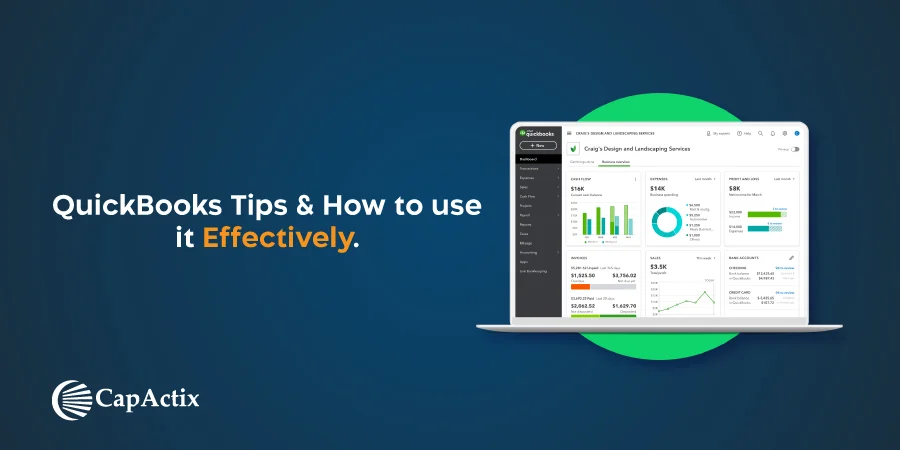
QuickBooks offers a robust platform for hotel management, streamlining various aspects of operations. However, maximizing its potential requires a strategic approach. This section Artikels best practices and practical tips to leverage QuickBooks effectively for enhanced efficiency and accurate financial reporting within a hotel setting.
Effective QuickBooks implementation for hotels demands a clear understanding of the specific needs and processes. Careful configuration and consistent data entry are paramount to achieving accurate financial reports and informed decision-making. This section provides practical guidance on establishing best practices, avoiding common pitfalls, and troubleshooting potential issues.
Setting Up QuickBooks for Hotels
Proper setup is crucial for a smooth workflow. A well-structured chart of accounts reflecting the specific needs of a hotel is essential for accurate financial tracking. Categorizing revenue streams (e.g., room nights, food and beverage, events) and expenses (e.g., utilities, payroll, supplies) into appropriate accounts ensures clarity and facilitates insightful reporting. Additionally, setting up accurate item codes for services and products enhances the tracking of specific costs and revenues.
Optimizing QuickBooks for Hotel Efficiency
Streamlining processes within QuickBooks enhances overall efficiency. Implementing automated tasks, such as recurring bills or expense reports, minimizes manual intervention and reduces the risk of errors. Using QuickBooks’ reporting features to generate key performance indicators (KPIs) provides valuable insights into revenue trends, cost control, and overall profitability. Leveraging QuickBooks’ inventory management tools allows hotels to maintain accurate stock levels, reducing waste and optimizing procurement.
Common Mistakes to Avoid in QuickBooks for Hotels
Avoiding common errors is critical for maintaining data integrity. Inaccurate data entry, such as miscategorizing transactions or failing to record all revenue and expenses, can lead to significant discrepancies in financial reports. Lack of regular reconciliation between QuickBooks and bank statements can result in missed discrepancies and potential errors. Furthermore, neglecting to properly categorize transactions according to the chart of accounts will impact the accuracy of reports.
Troubleshooting Common QuickBooks Issues for Hotels
Troubleshooting QuickBooks issues is a common aspect of hotel management. If discrepancies arise between QuickBooks records and bank statements, a thorough reconciliation is necessary. Verify the accuracy of all transactions by cross-referencing them with supporting documentation. If data entry errors persist, review and correct data input meticulously, checking for consistency across different records. Reviewing QuickBooks’ help resources and contacting support if needed will help to resolve the issue.
Key Takeaways and Actionable Advice
| Best Practice | Actionable Advice |
|---|---|
| Accurate Data Entry | Double-check all entries for accuracy and consistency. Use supporting documentation to verify transactions. |
| Regular Reconciliation | Reconcile QuickBooks accounts with bank statements regularly to identify and resolve discrepancies promptly. |
| Comprehensive Chart of Accounts | Develop a detailed chart of accounts reflecting the specific revenue and expense categories of the hotel. |
| Automated Tasks | Utilize QuickBooks’ automation features for recurring bills, expense reports, and other routine tasks to save time and minimize errors. |
| Thorough Training | Ensure all staff members involved with QuickBooks are properly trained on its features and functions. |
Concluding Remarks

Source: revfine.com
In conclusion, QuickBooks provides a comprehensive suite of tools that can significantly improve hotel operations. From handling financial records and inventory to managing reservations and guest interactions, QuickBooks offers a streamlined approach to hotel management. By mastering these functionalities, hotels can achieve increased efficiency, improved accuracy, and better insights into business performance. This guide serves as a valuable resource for hotels seeking to leverage QuickBooks for a more effective and profitable operation.