Major Hotel Groups A Global Overview
Major hotel groups dominate the global hospitality landscape, shaping the industry’s evolution and influencing travel experiences worldwide. From their historical roots to their modern strategies, these entities represent a complex interplay of business models, brand management, and technological integration. Understanding their global presence, expansion strategies, and competitive landscape is crucial to grasping the dynamics of the modern hospitality industry.
This exploration delves into the multifaceted world of major hotel groups, examining their diverse business models, revenue streams, and strategies for success. A comparison of top players, their brand portfolios, and global reach will provide a comprehensive understanding of their impact on the hospitality sector.
Introduction to Major Hotel Groups
Major hotel groups play a critical role in the global hospitality industry, offering a diverse range of accommodation options and services. These organizations, with their vast networks and established brand recognition, have significantly shaped the travel and tourism landscape. From their humble beginnings to their current global presence, these groups have navigated industry trends and adapted to evolving customer preferences.
The evolution of major hotel groups is intrinsically linked to the historical development of tourism. Early groups focused primarily on providing lodging, but as the industry matured, they diversified their offerings to include dining, entertainment, and other amenities. This diversification, coupled with strategic investments in technology and global expansion, has been key to their enduring success.
Historical Context and Evolution
The origins of major hotel groups can be traced back to the late 19th and early 20th centuries. Early examples, like the Ritz and the Savoy hotels, established high standards of luxury and service. The post-war era witnessed significant growth, driven by increased travel and the rise of leisure tourism. This period saw the emergence of international hotel chains, expanding their reach beyond national borders. The subsequent decades saw further diversification, with an increasing focus on different market segments and brand positioning. Innovations in technology and marketing strategies have been crucial factors in shaping their continued success.
Key Factors Contributing to Success
Several key factors have contributed to the enduring success of major hotel groups. These include:
- Strategic Brand Positioning: A clear and compelling brand identity, consistently communicated across all properties, fosters recognition and loyalty among customers. Examples include the luxury appeal of the Ritz-Carlton or the family-friendly atmosphere of Marriott’s family-oriented brands.
- Global Expansion and Diversification: Expanding into new markets and diversifying offerings, including different price points and brand categories, ensures resilience in the face of economic fluctuations and evolving consumer preferences. This allows for a broader customer base and reduces reliance on any single region.
- Investment in Technology and Innovation: Integrating cutting-edge technology into operations, from online booking platforms to streamlined customer service systems, enhances efficiency and improves the guest experience. This is crucial in the modern competitive landscape.
- Strong Management and Leadership: Effective leadership and management are essential for navigating the complexities of a global enterprise. A well-structured organizational structure facilitates decision-making and resource allocation.
Comparison of the Top 5 Largest Hotel Groups
The table below compares the top 5 largest hotel groups based on revenue, brands, and geographic reach. These metrics provide a snapshot of their current market dominance.
| Hotel Group | Revenue (Approximate, in Billions USD) | Number of Brands | Geographic Reach (Continents) |
|---|---|---|---|
| Marriott International | $30+ | 30+ | 6+ |
| Hilton Hotels & Resorts | $25+ | 18+ | 5+ |
| Accor | $20+ | 20+ | 6+ |
| Hyatt Hotels Corporation | $10+ | 10+ | 5+ |
| IHG Hotels & Resorts | $15+ | 20+ | 6+ |
Business Models and Strategies
Major hotel groups employ diverse business models and strategies to thrive in a competitive global market. These models vary significantly, impacting their revenue streams, operational costs, and overall profitability. Understanding these differences is crucial for evaluating the strengths and weaknesses of each group.
Business Models Employed
Different hotel groups have adopted various business models, each catering to specific market segments and operational priorities. Some groups focus on luxury experiences, while others prioritize budget-friendly options. This diversity in approaches allows for a wide range of choices for travelers. For example, Marriott’s broad portfolio includes brands like Ritz-Carlton (luxury) and Courtyard by Marriott (mid-range), demonstrating a diversified approach.
Revenue Generation Strategies
Hotel groups generate revenue through various channels, including room rentals, food and beverage services, meeting and event spaces, and ancillary services. Revenue strategies differ across groups, influenced by their target market and brand positioning. For instance, some groups might prioritize maximizing revenue per available room (RevPAR) through dynamic pricing, while others might focus on attracting long-term stays or corporate bookings. Furthermore, revenue management systems play a crucial role in optimizing revenue generation across the hotel portfolio.
Key Cost Factors Impacting Profitability
Significant cost factors impacting profitability include labor costs, operating expenses (utilities, maintenance), and marketing/advertising expenditures. These costs vary based on location, operational scale, and the type of hotel within the group. Labor costs, particularly in high-demand tourist destinations, can be a substantial portion of overall operational expenditure. For example, high staffing costs in luxury hotels may impact their profit margins compared to budget-friendly chains.
Distribution Channels Utilized
Hotel groups leverage various distribution channels to reach potential guests. These include online travel agencies (OTAs), direct booking websites, global distribution systems (GDS), and their own branded websites. The mix of channels used varies depending on the group’s brand positioning and target market. A group might emphasize direct bookings to control pricing and guest experience, while also leveraging OTAs for wider reach.
Strategies for Managing Global Operations
Managing global operations requires sophisticated strategies for adapting to diverse local regulations, cultural nuances, and economic conditions. This includes regionalization of marketing campaigns, adapting to varying consumer preferences, and complying with local labor laws and environmental regulations. Successful global hotel groups demonstrate expertise in harmonizing their global operations while respecting local contexts. This requires strong management of supply chains and ensuring consistent quality standards across locations.
Hotel Group Strategies Table
| Hotel Group | Key Strategy | Strengths | Weaknesses |
|---|---|---|---|
| Marriott International | Diversified portfolio, strong brand recognition, focus on global expansion | Large market share, extensive global reach, diversified revenue streams | Complex operational structure, potential for inconsistencies in brand execution |
| Hilton Worldwide | Focus on luxury and mid-market segments, strategic acquisitions | Strong brand equity, presence in major tourist destinations, and diverse revenue sources | Dependence on external factors such as economic conditions, and potentially facing competition from new entrants |
| Accor | Emphasis on loyalty programs, strong presence in Europe, and Africa | High customer retention rates, established presence in specific regions | May face challenges in adapting to rapidly evolving consumer preferences, potential for slow growth in new markets |
Brand Portfolio and Differentiation: Major Hotel Groups

Source: amazonaws.com
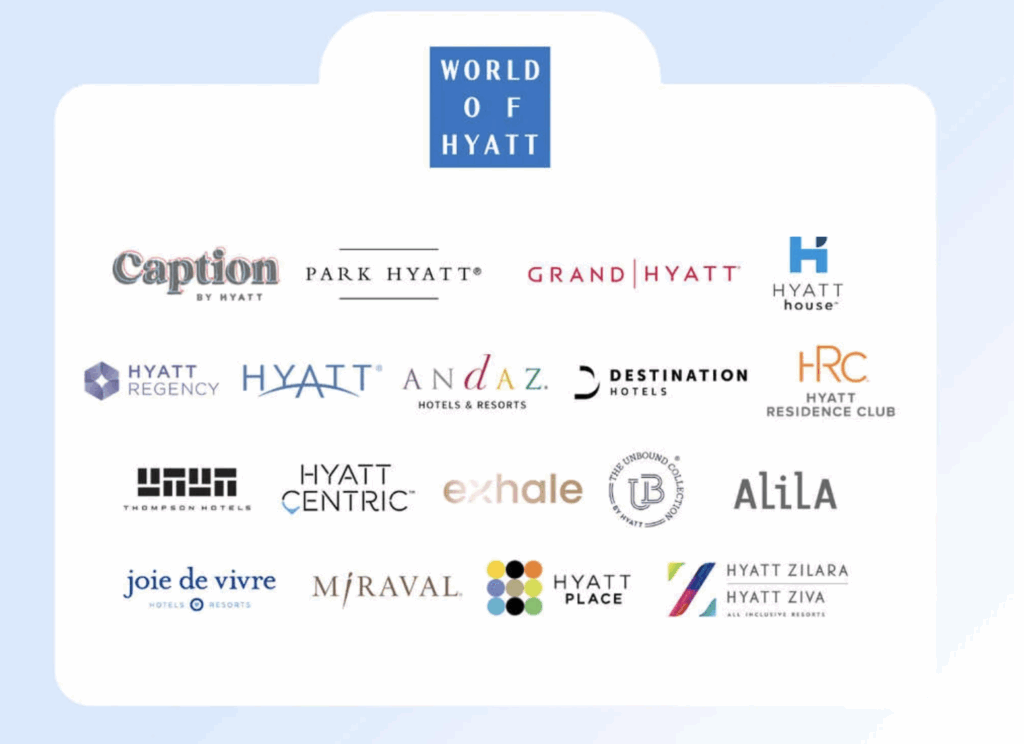
Major hotel groups employ diverse brand portfolios to cater to varied market segments and preferences. This strategic approach allows them to maximize revenue streams and solidify their presence across different price points and travel styles. Effective brand differentiation is crucial for attracting specific customer bases and building strong brand loyalty.
Brand Portfolio of Major Hotel Groups
A multitude of brands exist within major hotel groups, each with a distinct personality and target audience. Understanding the specific brands within each group and their respective positions is vital for analyzing their overall market strategy. Examples include luxury brands like Four Seasons and Ritz-Carlton, mid-range options like Hilton Garden Inn and Marriott Courtyard, and budget-friendly choices like Motel 6 and Budget Inn. These brands appeal to a spectrum of travelers, offering varying levels of service and amenities.
Strategies for Brand Differentiation
Hotel groups employ several strategies to differentiate their brands. These strategies include emphasizing specific service attributes, like personalized experiences or enhanced amenities. They also leverage branding to position hotels in particular market segments, such as family-friendly resorts or business-focused hotels. Consistent branding across all properties under a given brand is crucial for maintaining a cohesive brand image and customer perception.
Factors Contributing to Brand Loyalty
Several factors contribute to brand loyalty among hotel guests. Consistent high-quality service, recognizable amenities, and positive guest experiences all foster loyalty. Exclusive member programs and rewards programs also play a significant role in encouraging repeat business and brand preference. Furthermore, the reputation and perceived value of the brand are critical in building a loyal customer base.
Target Audience for Each Brand
The target audience for each brand varies significantly. Luxury brands typically attract high-income travelers seeking exceptional service and amenities. Mid-range brands appeal to a broader spectrum of travelers, including business travelers and families. Budget-friendly brands cater to cost-conscious travelers, prioritizing value and affordability. Understanding the specific needs and preferences of each target audience is crucial for tailoring marketing strategies and offerings.
Pricing Strategies for Various Brands
Pricing strategies for different brands within a hotel group vary significantly based on the target market and brand positioning. Luxury brands command higher prices due to their premium service and amenities. Mid-range brands offer a balance between price and value, aiming to attract a wider range of customers. Budget-friendly brands prioritize affordability, often adjusting prices based on demand and seasonality.
Branding for Positioning Hotels in Specific Markets
Branding is used strategically to position hotels in specific markets. For example, a hotel brand known for its family-friendly amenities and activities would be positioned differently than a brand focusing on business travelers. Marketing campaigns, website design, and overall brand communication are meticulously crafted to resonate with the target audience in the specific market.
Brand Category and Target Demographics
| Brand Category | Target Demographics |
|---|---|
| Luxury | High-income individuals, business executives, and discerning travelers seek exceptional service and amenities. |
| Mid-Range | Business travelers, families, and couples are seeking a balance between price and quality. |
| Budget-Friendly | Budget-conscious travelers, backpackers, and tourists prioritize affordability. |
Global Presence and Expansion
Major hotel groups have strategically expanded their operations globally, seeking to capitalize on diverse market opportunities and enhance their brand recognition. This expansion, however, is not without its complexities, demanding careful consideration of local regulations, cultural nuances, and competitive landscapes. Understanding these factors is crucial for achieving successful internationalization.
Geographical Spread of Major Hotel Groups
Global hotel chains exhibit a diverse geographical footprint, with varying degrees of presence in different regions. Some groups are heavily concentrated in specific continents, reflecting historical investment patterns and market demand. Others have a more balanced distribution across the globe. This varied distribution can be attributed to factors like market size, economic stability, and competitive intensity in specific locations.
Expansion Strategies Adopted by These Groups
Hotel groups employ various strategies to expand globally. These include strategic acquisitions of existing hotels or resorts, development of new properties in promising locations, and collaborations with local partners. Franchise agreements are another common strategy, enabling rapid expansion while leveraging local expertise and knowledge. Joint ventures with local businesses can further enhance market penetration. These approaches often reflect the group’s long-term vision and understanding of the market dynamics in target regions.
Challenges Faced During Global Expansion
International expansion presents significant challenges. These include navigating complex regulatory environments, adapting to diverse local business practices, and ensuring consistent service standards across multiple locations. Cultural sensitivity is paramount, as variations in communication styles and customer expectations can significantly impact operations. Maintaining brand consistency while adapting to local preferences is a delicate balance that requires careful consideration.
Cultural Considerations in Different Markets
Cultural considerations play a critical role in global expansion. Understanding local customs, traditions, and communication styles is essential for successful operations. These factors influence everything from customer service interactions to marketing strategies. Effective localization strategies, adapting marketing materials and service offerings to resonate with the target culture, are crucial for achieving cultural relevance and maximizing customer engagement.
Examples of Successful Internationalization Efforts
Numerous hotel groups have successfully navigated the complexities of internationalization. One notable example is the expansion of a particular group into emerging markets, where they successfully adapted their offerings to local tastes and preferences, ultimately fostering strong customer relationships. Another successful example includes a group that adapted its marketing approach to different regions, recognizing that localized campaigns were more effective than a single, globally standardized approach. These examples demonstrate the importance of tailoring strategies to specific markets.
Table Outlining the Presence of Major Hotel Groups in Specific Regions
| Hotel Group | North America | Europe | Asia | South America | Africa |
|---|---|---|---|---|---|
| Group A | High | Moderate | Low | Low | Very Low |
| Group B | Moderate | High | High | Low | Moderate |
| Group C | High | High | High | Moderate | Low |
Note: This table provides a simplified overview and does not represent a comprehensive analysis of market presence. The presence of a group in a region can vary based on specific market conditions and the group’s strategic priorities.
Technological Integration and Innovation
Hotels are increasingly leveraging technology to enhance the guest experience, streamline operations, and personalize interactions. This integration is critical for competitiveness in the modern hospitality landscape, demanding constant adaptation and innovation in the use of technology.
Technological advancements have profoundly impacted the hospitality industry, transforming how hotels operate and interact with their guests. From automated check-in systems to personalized recommendations, technology plays a vital role in optimizing guest satisfaction and driving operational efficiency.
Enhancing the Guest Experience with Technology, Major hotel groups
Technology is revolutionizing the guest experience, offering personalized interactions and streamlined services. Mobile apps allow guests to access information, control room amenities, and order services directly from their devices. Interactive room displays offer a unique and engaging experience. Virtual assistants can provide immediate assistance and answer guest queries.
Technology’s Role in Operational Efficiency
Technological integration optimizes hotel operations. Automated check-in and check-out processes reduce wait times and staff workload. Predictive maintenance systems help identify potential equipment issues before they arise, minimizing downtime and repair costs. Inventory management systems ensure efficient resource allocation, reducing waste and maximizing profitability.
Data Analytics in Improving Customer Service
Data analytics provides valuable insights into guest preferences and behavior. Hotels can leverage this data to personalize recommendations, anticipate guest needs, and tailor services accordingly. Analyzing customer feedback allows for continuous improvement in service quality. Data-driven insights also help identify trends and patterns, enabling proactive responses to changing market demands.
Examples of Innovative Technologies
Several major hotel groups are adopting innovative technologies. Hilton’s mobile app allows guests to manage their stay, order room service, and connect with hotel staff. Marriott’s loyalty program uses data analytics to personalize offers and rewards. AccorHotels utilizes AI-powered chatbots to address guest inquiries and provide instant support. These examples demonstrate the growing adoption of technology in enhancing the guest experience and optimizing operational efficiency.
Trends Shaping the Future of Hospitality Technology
Several trends are shaping the future of hospitality technology. The integration of artificial intelligence (AI) and machine learning (ML) is automating tasks and providing personalized experiences. The rise of the Internet of Things (IoT) is connecting devices and systems, enabling smarter and more efficient operations. The increasing demand for sustainable practices is driving the development of eco-friendly technologies.
Table of Technological Innovations
| Hotel Group | Mobile App | Online Booking System | Other Innovations |
|---|---|---|---|
| Hilton | Yes, a comprehensive app for managing stay, ordering, and connecting | Yes, integrated with the app | Room service ordering, automated check-in/check-out, loyalty program |
| Marriott | Yes, for managing the stay and loyalty program | Yes, integrated platform | Personalized offers, data analytics for customer service |
| AccorHotels | Yes, with features similar to other groups | Yes, a robust online platform | AI-powered chatbots, digital key systems |
| Hyatt | Yes, integrated with a loyalty program | Yes, a user-friendly booking portal | Room automation, advanced guest services |
| Four Seasons | Yes, allowing guests to control the room environment and access information | Yes, a secure and reliable booking engine | Personalized concierge services, advanced security systems |
Competitive Landscape and Future Trends

The hospitality industry is experiencing a period of significant transformation, driven by evolving consumer preferences, technological advancements, and global economic shifts. Major hotel groups are navigating a complex competitive landscape, adapting to changing market demands and seeking sustainable growth strategies. This section delves into the competitive pressures, emerging trends, and potential future scenarios shaping the industry.
Competitive Landscape Analysis
The hotel industry is highly competitive, with a multitude of players vying for market share. This competition extends beyond established hotel chains, encompassing independent hotels, boutique properties, and alternative accommodation options like Airbnb. Factors such as pricing strategies, brand recognition, and location significantly influence a hotel group’s ability to attract and retain customers. Differentiation based on unique offerings, exceptional service, and personalized experiences is paramount in this environment.
Challenges and Opportunities for Major Hotel Groups
Major hotel groups face several key challenges. These include adapting to changing guest expectations, managing rising operational costs, and navigating geopolitical uncertainties. Conversely, opportunities exist in developing emerging markets, expanding into new segments (e.g., luxury, budget-friendly, sustainable tourism), and leveraging technology to enhance the guest experience. The key lies in identifying and capitalizing on these opportunities while mitigating risks.
Emerging Trends and Their Impact
Several emerging trends are reshaping the hospitality industry. The rise of the digital nomad and remote worker, coupled with a growing demand for flexible and adaptable accommodations, is impacting the design and offerings of hotels. Furthermore, the emphasis on sustainability and environmental consciousness is leading to increased demand for eco-friendly practices and responsible tourism. This is driving a need for hotel groups to adopt more sustainable business models. The growing popularity of wellness tourism and the increasing focus on personalized experiences are also significant trends.
Potential Future Scenarios for the Hospitality Industry
The hospitality industry is likely to witness further consolidation and strategic partnerships. Technology will continue to play a pivotal role, with AI and automation transforming various aspects of hotel operations. Personalized experiences, tailored to individual guest preferences, will become more prevalent. Sustainability will be a critical factor, driving the adoption of eco-friendly practices and the creation of environmentally conscious accommodations. Economic fluctuations and geopolitical instability may create volatility, demanding adaptability and resilience from major hotel groups.
Examples of Adapting to Changing Market Demands
Numerous hotel groups are actively adapting to the changing market demands. For instance, some are incorporating flexible booking options, offering extended stays, and introducing co-working spaces to cater to the evolving needs of digital nomads. Others are focusing on sustainability initiatives, such as using renewable energy, reducing waste, and implementing water conservation programs. These initiatives demonstrate a proactive approach to addressing the evolving preferences of today’s travelers.
Competitive Strategies of Major Hotel Groups
| Hotel Group | Competitive Strategy |
|---|---|
| Marriott International | Strong focus on brand portfolio diversification and global expansion, leveraging technology for enhanced guest experiences. |
| Hilton Worldwide | Emphasis on loyalty programs, strong global presence, and consistent brand recognition. |
| Accor | Aggressive expansion in emerging markets, emphasis on value-based offerings, and diversified portfolio. |
| Hyatt Hotels Corporation | Focus on luxury and lifestyle segments, distinctive brand experiences, and commitment to personalized service. |
| IHG Hotels & Resorts | Competitive pricing, a wide range of hotel types, and expansion into underserved markets. |
Summary
In conclusion, major hotel groups are powerful forces in the hospitality industry, impacting everything from global travel trends to local economies. Their strategies, encompassing diverse business models, brand differentiation, and technological integration, are essential for navigating the competitive landscape. The future of hospitality hinges on how these groups adapt to evolving market demands and technological advancements. This discussion has highlighted the key factors shaping their success and their continuing influence on the industry.