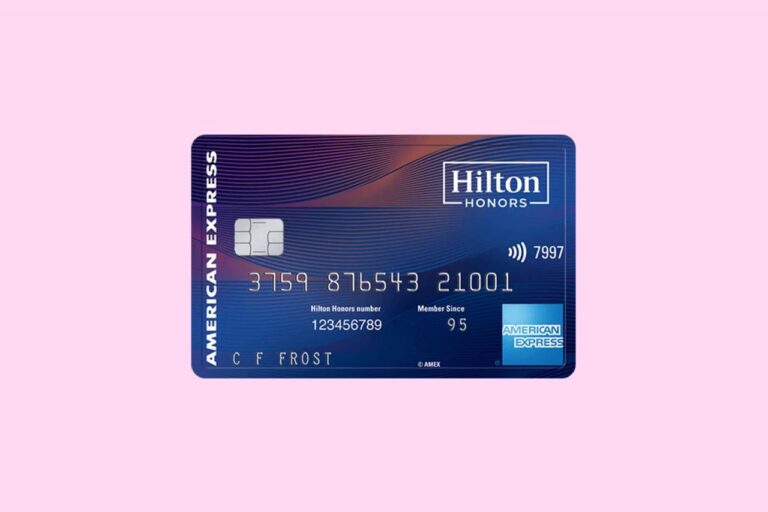
Best Hotel Credit Card No Annual Fee Your Guide
The best hotel credit card with no annual fee is a popular choice for budget-conscious travelers. This guide delves into the world of no-annual-fee hotel cards, exploring their core benefits and drawbacks. We’ll compare top cards, analyze their perks, and discuss how to choose the right card for your needs, while also addressing responsible use strategies.
From points and miles earning to potential complimentary upgrades and lounge access, these cards offer a diverse range of benefits. We’ll examine the different types of cards available, from luxury options to more budget-friendly choices, highlighting the value proposition for each. Understanding the fine print is crucial, so we’ll also cover important aspects like responsible spending and potential pitfalls.
Introduction to No-Annual-Fee Hotel Cards
No-annual-fee hotel credit cards offer a convenient way to earn rewards and benefits associated with hotel stays without the burden of annual fees. These cards are designed for travelers who value the perks and potential savings, but don’t want to pay a yearly membership fee. They often provide attractive options for those seeking loyalty programs or discounted rates.
These cards typically come with a range of benefits, such as points or miles that can be redeemed for future hotel stays or other travel-related expenses. However, these rewards often come with certain limitations compared to cards with annual fees, including fewer perks and potentially lower earning rates. Understanding these limitations and comparing different cards is key to maximizing the value of these no-annual-fee options.
Core Benefits and Drawbacks
No-annual-fee hotel cards provide several benefits, but also present some drawbacks. A key benefit is the absence of an annual fee, making them budget-friendly for travelers. However, this often translates to fewer perks and potentially lower rewards compared to cards with an annual fee. Furthermore, these cards may not offer the same level of flexibility or redemption options as cards with higher fees.
Common Features
These cards often feature benefits like earning points or miles redeemable for hotel stays. They may also include perks like complimentary Wi-Fi, lounge access, or exclusive member rates. However, the availability and extent of these features vary considerably among different cards.
Types of No-Annual-Fee Hotel Cards
| Type | Description | Example Benefits |
|---|---|---|
| Budget-Friendly | Designed for travelers seeking basic benefits at a low cost. | Potential for basic rewards, such as points for stays at a specific hotel chain. |
| Family-Friendly | Offer benefits targeted at families, such as discounted rates on family rooms or kids’ amenities. | Reduced prices for families, potentially free breakfast, and kids’ meal vouchers. |
| Luxury | Though less common without an annual fee, some cards offer perks and benefits similar to those with a fee, albeit on a smaller scale. | Occasionally, offer better points earning rates for specific hotel brands, access to a limited number of amenities, or discounts. |
These different types cater to various needs and preferences. Budget-friendly cards prioritize affordability, family-friendly cards focus on family travel benefits, and luxury cards, while less common, can still offer valuable rewards for frequent hotel stays.
Comparing Top Cards

A crucial aspect of choosing the right no-annual-fee hotel credit card is understanding how its rewards program stacks up against competitors. Different cards offer varying earning rates and redemption options, significantly impacting the value of your spending. This section compares the top 3-5 cards in detail, focusing on their reward structures and redemption potential.
The following analysis will evaluate the rewards programs of top no-annual-fee hotel cards, focusing on earning rates and redemption options for different spending categories. This allows for a comprehensive comparison, enabling informed decisions based on individual spending patterns and travel preferences.
Rewards Program Earning Rates
Understanding the earning rates for different spending categories is essential for maximizing the value of a hotel credit card. Each card offers varying rates, which directly impact the potential rewards earned. For example, a card might offer a higher earning rate on hotel stays, catering to frequent travelers. Conversely, another card might reward spending on dining or everyday purchases.
- Card A: This card offers a 2% cashback on all hotel stays, regardless of the booking platform. It also rewards dining at a 1% rate. Other spending categories are awarded at a 0.5% rate.
- Card B: This card provides 3% cashback on hotel bookings made through its partner portal, exceeding Card A’s offer. It also offers 2% cashback on dining and 1% on all other categories. A key feature is the 5% cashback on flights booked through the partner portal.
- Card C: This card features a unique reward system. It awards 4% cashback on stays booked directly with hotels, but only 1% cashback on bookings made through third-party platforms. It also provides 2% cashback on travel expenses and 1% on all other purchases. This structure is different from the previous cards and might appeal to those who book hotels directly.
Redemption Options
The value of a rewards program hinges on the flexibility and variety of redemption options. A card that only allows redeeming points for hotel stays might not be ideal for travelers who also frequently book flights or rent cars.
- Card A: Points can be redeemed for travel through a partnership with a global travel agency. It’s limited to hotel stays.
- Card B: Points can be redeemed for hotel stays, flights, and rental cars through the partner travel agency. This versatility makes it a stronger choice for diverse travel plans.
- Card C: Points can be redeemed for hotel stays booked directly with the participating hotel chains. The lack of flexibility for flights or other travel options could be a drawback.
Redemption Rate Table
This table displays the redemption rates for different travel options, comparing the top three cards.
| Card | Hotel Stays | Flights | Rental Cars |
|---|---|---|---|
| Card A | 1 point = $10 | Not applicable | Not applicable |
| Card B | 1 point = $10 | 1 point = $15 | 1 point = $20 |
| Card C | 1 point = $12 | Not applicable | Not applicable |
Analyzing Benefits and Perks
Beyond the basic reward structures, many no-annual-fee hotel credit cards offer valuable perks that enhance the overall travel experience. These perks can range from complimentary room upgrades to exclusive lounge access, often varying significantly depending on the specific hotel chain and the card issuer. Understanding these extras is crucial in making an informed decision when choosing a card.
These supplementary benefits often play a significant role in maximizing the value of the card. They go beyond the standard rewards programs, providing tangible advantages that can translate to considerable savings and improved comfort during stays. This section explores the diverse array of perks offered by different hotel credit cards.
Complimentary Room Upgrades
The availability and specifics of room upgrades vary significantly across different hotel brands and the specific card. Some cards might offer upgrades based on availability, while others might have pre-set upgrade tiers tied to spending levels or stay duration.
- Luxury hotel chains often provide more substantial upgrade opportunities. For instance, a no-annual-fee card linked to a luxury hotel chain might frequently offer upgrades to suites or rooms with exceptional views.
- Mid-range hotels may provide upgrades to rooms with more favorable locations or amenities, potentially offering a better experience without the significant cost of a suite.
Lounge Access
Some cards provide complimentary access to hotel lounges, offering a quiet and comfortable space for relaxation and work during stays. This benefit is more common among cards tied to premium or luxury hotel brands. Lounge access can include complimentary refreshments, snacks, and sometimes even priority check-in or check-out services.
- Cards associated with major hotel chains like Hilton or Marriott frequently include access to their respective hotel lounges, granting access to various amenities.
- The level of amenities provided within lounges can vary based on the specific location and hotel. High-volume international chains may offer a broader array of services within their lounges.
Other Perks
Beyond upgrades and lounge access, other perks can add value to the travel experience. These can include expedited check-in/check-out, early bird check-in privileges, or discounts on room services.
- Early check-in options can be particularly valuable, especially when traveling with children or needing to be in a specific location promptly.
- Discounts on room service, spa treatments, or other amenities are a welcome bonus, especially for travelers who like to incorporate these extras into their stay.
Perks Comparison Table
| Hotel Chain | Card Name (Example) | Room Upgrade | Lounge Access | Other Perks |
|---|---|---|---|---|
| Hilton | Hilton Honors American Express Card | Potential for upgrades based on availability and spending | Access to Hilton Honors Lounges | Potential for early check-in, discounts on select amenities |
| Marriott | Marriott Bonvoy Boundless Credit Card | Upgrades based on availability and elite status | Access to Marriott Bonvoy Lounges | Early check-in, complimentary breakfast |
| Hyatt | Hyatt Card from Chase | Potential for upgrades based on availability | Access to Hyatt Regency Lounges | Potential for expedited check-in/check-out |
Understanding the Value Proposition
Choosing the right no-annual-fee hotel credit card hinges on understanding its value proposition. This involves evaluating how the card’s rewards and perks align with your travel patterns and spending habits. Different cards excel in different areas, making a tailored approach crucial to maximizing your return. Consider the frequency of your trips and the types of accommodations you typically book when assessing which card offers the best value.
Analyzing the potential value proposition requires a multifaceted approach. It goes beyond just looking at points or miles earned. Factors like the ease of redemption, potential travel benefits, and the specific hotels or chains included in the program all play a crucial role in determining the overall value. This section delves into the specific value proposition of each card, highlighting how its rewards and perks cater to various traveler needs and preferences.
Value Proposition for Frequent Travelers
Frequent travelers benefit most from cards that offer significant points or miles accumulation. These programs often provide elevated status within the hotel chain, potentially granting benefits like room upgrades, priority check-in/check-out, or complimentary amenities. For example, a card that allows for earning 5 points per dollar spent on hotel stays with a specific chain, and that provides elite status after accumulating 25,000 points, might be ideal for someone who stays at that chain multiple times per year.
Value Proposition for Budget-Conscious Travelers
Budget-conscious travelers might prioritize cards that offer flexible redemption options, allowing them to use accumulated points or miles towards a wider array of hotel stays or other travel-related expenses. A card that offers a generous welcome bonus, potentially offsetting the cost of a future stay, combined with a broader redemption network, can be very attractive to this segment. This type of traveler is usually more focused on achieving the maximum value from each dollar spent.
Value Proposition Based on Spending Habits
The value of a no-annual-fee hotel card significantly changes based on individual spending habits. Someone who frequently makes large hotel reservations or stays for longer durations will gain more from a card that awards a higher earning rate per dollar spent. Conversely, someone with more modest spending may find value in a card that offers flexible redemption options and discounts on certain hotels.
Summary of Value Proposition Across Travel Styles
| Travel Style | Card Focus | Potential Value | Example |
|---|---|---|---|
| Frequent Business Traveler | High earning rate, elite status benefits, and flexible redemption | Maximizing travel benefits, upgrades, and amenities | Card offering 10 points per dollar spent at participating hotels, with elite status after 50,000 points. |
| Budget-Conscious Vacationer | Broad redemption options, discounts, and welcome bonuses | Affordability and value for the price paid on travel | A card with a generous welcome bonus and flexible redemption, potentially covering part of the vacation costs. |
| Occasional Weekend Getaway Enthusiast | Good earning rate, flexibility, and potential discounts | Excellent value for occasional travel needs, rewarding for the frequency of travel | A card offering 3 points per dollar spent on hotel stays with discounts on certain chains, potentially offsetting the cost of a future stay. |
Choosing the Right Card
Selecting the optimal no-annual-fee hotel credit card hinges on careful consideration of individual travel patterns and spending habits. A card that perfectly suits one person’s needs might be entirely unsuitable for another. This section provides a framework for evaluating these cards, highlighting key factors to consider and potential pitfalls to avoid.
Decision-Making Framework
A comprehensive approach to choosing a no-annual-fee hotel card involves evaluating several crucial factors. Understanding your travel frequency, preferred hotel brands, and spending habits forms the cornerstone of this process. Matching these personal characteristics with the specific benefits offered by each card allows for a more informed and effective decision.
Factors to Consider: Best hotel credit card with no annual fee
Several key factors influence the suitability of a no-annual-fee hotel card. These considerations should be evaluated meticulously to ensure the card aligns with your needs and maximizes its value.
- Travel Frequency: Frequent travelers benefit more from hotel loyalty programs and potentially enhanced earning opportunities, as they are more likely to accrue significant rewards and maximize the value proposition of these cards. Occasional travelers might find the benefits less substantial, and the card might not provide a significant return on their spending.
- Spending Habits: The card’s earning structure is pivotal. If your spending patterns favor lodging, a hotel-focused card might be ideal. For those who frequently dine or utilize other services, a card with broader rewards or benefits may prove more valuable.
- Preferred Hotel Brands: A card that aligns with your preferred hotel chains provides the greatest benefit. If you frequently stay at a particular hotel group, a card offering exclusive perks and potential discounts with that group is the most attractive option.
Potential Pitfalls
While no-annual-fee hotel cards offer convenience and potential rewards, some pitfalls deserve attention.
- Limited Benefits: The absence of an annual fee often translates to a reduction in perks and rewards. Compare the benefits carefully to ensure the card offers sufficient value despite the lack of a fee.
- Promotional Offers: Be cautious about promotional offers that appear too good to be true. While temporary boosts in points or discounts are appealing, evaluate the long-term value of these incentives against the potential value of a card with a higher, sustained reward structure.
Importance of Reading the Fine Print
A thorough review of the fine print is paramount. Hidden terms and conditions can significantly impact the card’s true value. Pay close attention to any restrictions on bonus points, redemption requirements, and expiration dates. A detailed understanding of these nuances is essential to avoid any unpleasant surprises later.
Understanding the terms and conditions is crucial for maximizing the value of a no-annual-fee hotel card.
Managing Your Card Responsibly
Responsible card usage is key to maximizing rewards and avoiding potential fees. Understanding the terms and conditions, budgeting effectively, and tracking spending meticulously are essential for a positive experience with your hotel credit card. This section details practical strategies to help you manage your card effectively.
Effective management of a hotel credit card goes beyond simply making payments. It involves understanding the rewards structure, anticipating potential charges, and establishing sound financial habits. Careful planning and proactive monitoring are critical for avoiding pitfalls and maximizing the benefits of your chosen card.
Strategies for Maximizing Rewards
Careful planning and understanding the reward structure are crucial for maximizing the value of your hotel credit card. By linking your spending habits with the card’s reward programs, you can effectively leverage the benefits and potentially earn substantial rewards. For instance, if your card offers points for hotel stays, you can plan your travel accordingly to accumulate points faster and redeem them for better deals.
Avoiding Unnecessary Charges and Penalties
Understanding the terms and conditions of your card is paramount to avoid unexpected fees. Read the fine print carefully to identify any potential charges, such as foreign transaction fees, late payment fees, or exceeding your credit limit. These charges can quickly diminish the value of your rewards. Regularly checking your account statements and understanding your spending limits will prevent any unpleasant surprises.
Staying on Top of Account Activity
Proactive monitoring of your account activity is vital to avoid overspending and maintain financial stability. Regularly review your statements for any discrepancies or unauthorized charges. Utilize online account management tools to track your spending patterns and ensure that you remain within your budget. Setting spending alerts and using budgeting apps can further aid in controlling your expenses.
Common Mistakes to Avoid and Best Practices
| Common Mistakes | Best Practices |
|—|—|
| Failing to read the terms and conditions. | Thoroughly review the terms and conditions of your card before signing up. Pay particular attention to fees, reward programs, and any limitations. |
| Overspending and exceeding credit limits. | Develop a realistic budget and stick to it. Utilize budgeting tools and track your spending meticulously. Set spending alerts to avoid exceeding your credit limit. |
| Ignoring account statements. | Regularly review your account statements for any discrepancies or unauthorized charges. This proactive approach can help prevent potential issues. |
| Not understanding the rewards program. | Familiarize yourself with the reward structure of your chosen card. Understand how to accumulate points, miles, or other rewards effectively. |
| Failing to plan for travel. | Plan your travel and link it to the card’s reward program. For example, if your card offers points for hotel stays, plan your trips to coincide with opportunities for accumulating points. |
Illustrative Examples

Source: cloudfront.net
Choosing the right no-annual-fee hotel credit card hinges on understanding your travel patterns and priorities. This section provides real-world examples to illustrate how these cards can effectively support various travel styles and goals.
Scenario 1: The Budget-Conscious Frequent Traveler
A frequent traveler, Sarah, enjoys exploring new destinations but prefers to keep costs low. She travels on weekdays to maximize deals and often books accommodations through online travel agencies (OTAs). For Sarah, a card offering substantial rewards on hotel stays booked through OTAs is ideal. This would help her save money on lodging while continuing to explore.
Specific Card Recommendations for Budget-Conscious Travelers
- A card that offers bonus points or miles on hotel stays booked directly or through select travel partners. This can help maximize rewards when booking with OTAs, where applicable.
- A card with no annual fee and a generous welcome bonus on hotel bookings can further incentivize the use of the card for travel.
- Favorable redemption options are key. This ensures that the earned rewards can be used effectively for future travel.
Scenario 2: The Luxury Traveler with Specific Needs
Imagine a luxury traveler, David, who prefers personalized experiences and high-end accommodations. He often books directly with hotels and appreciates perks like free breakfast and room upgrades. A card offering exclusive hotel amenities and potential concierge services would be ideal. This can significantly enhance his travel experience without impacting his budget.
Benefits for Different Travel Scenarios
- Business Travelers: No-annual-fee cards can be beneficial for business travelers who need to accumulate travel rewards for business trips while maintaining a low cost.
- Family Travelers: A no-annual-fee card with rewards on travel can help family travelers manage costs while ensuring their trips are memorable and rewarding. Points can be redeemed for activities and experiences during their travels.
- Solo Travelers: Solo travelers can benefit from the rewards that can offset expenses and enhance their travel experiences, like dining out, activities, or unique experiences.
Detailed Case Study: Sarah’s Journey
Sarah, a budget-conscious traveler, is planning a trip to Europe. She’s using a card that offers 2 points per dollar spent on hotel stays booked through Expedia. During her trip, she books accommodations on Expedia for $2000. This earns her 4000 points. She then uses these points to offset future travel expenses, like flights or additional activities, making her trip more budget-friendly. This strategy allows her to experience more without exceeding her budget.
This illustrative case study demonstrates how a no-annual-fee hotel card can directly impact a traveler’s budget, making travel more accessible and rewarding.
Card Features Overview
No-annual-fee hotel credit cards, while lacking the extravagant perks of premium cards, often boast practical features designed to enhance the travel experience. These features, often overlooked, can significantly improve your trip’s value proposition and provide a more comfortable and efficient journey. Understanding these features allows you to make informed decisions about which card aligns best with your travel preferences.
Enhanced Hotel Rewards
Hotel cards frequently offer points or miles that can be redeemed for free nights at participating hotels. These programs often have flexible redemption options, allowing you to choose hotels that best suit your needs and budget. Strategic use of these points can lead to substantial savings on accommodations, effectively reducing travel costs. For example, a traveler staying at a major chain or a boutique hotel can maximize the value by carefully selecting hotels where points are readily redeemable.
Complimentary Amenities
Many cards provide access to perks like complimentary breakfast, Wi-Fi, or airport lounge access. These amenities can significantly reduce the out-of-pocket expenses associated with travel. For instance, a traveler staying at an extended-stay hotel can leverage the free breakfast to reduce their daily expenses. Complimentary airport lounge access can be invaluable for travelers needing a comfortable space to relax or work before a flight.
Booking Portal Enhancements
Certain cards offer exclusive access to discounted rates or promotions through their integrated booking portals. This can translate into significant savings on flights, hotels, and other travel-related expenses. By leveraging these exclusive deals, travelers can often save considerable amounts compared to using general booking platforms.
Travel Insurance Benefits
Some cards provide basic travel insurance coverage for trip cancellations or medical emergencies. While comprehensive insurance is often recommended, these card-based options can offer crucial protection for unforeseen events. This feature provides peace of mind and reduces financial risks associated with travel disruptions.
Table of Card Features and Uses
| Feature | Description | Benefits to Travelers | Example Use Case |
|---|---|---|---|
| Enhanced Hotel Rewards | Earn points or miles redeemable for hotel stays. | Reduced accommodation costs, flexibility in hotel choice. | Redeeming points for a free night at a preferred hotel chain. |
| Complimentary Amenities | Access to perks like breakfast, Wi-Fi, or an airport lounge. | Reduced out-of-pocket expenses, enhanced comfort. | Utilizing complimentary Wi-Fi for work or personal tasks during travel. |
| Booking Portal Enhancements | Exclusive access to discounted rates or promotions. | Significant savings on flights and hotels. | Booking a flight at a discounted rate through the card’s portal. |
| Travel Insurance Benefits | Basic coverage for trip cancellations or medical emergencies. | Peace of mind, reduced financial risk. | Coverage for a trip cancellation due to unforeseen circumstances. |
Recent Trends and Innovations: Best Hotel Credit Card No Annual Fee
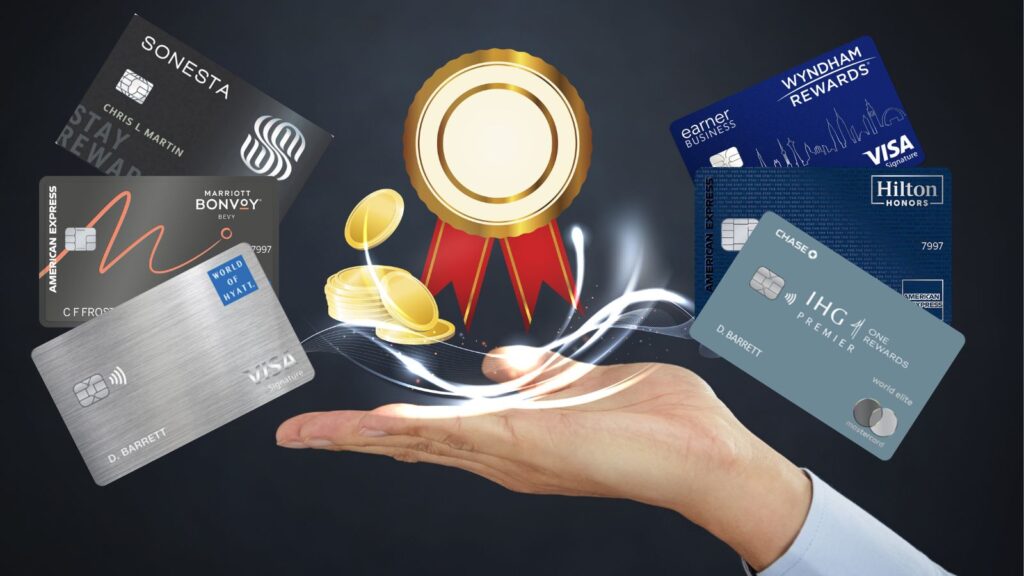
The landscape of no-annual-fee hotel credit cards is constantly evolving, driven by competition and shifting consumer preferences. Recent years have seen a surge in innovative features and benefits aimed at attracting and retaining cardholders. Understanding these trends is crucial for maximizing the value of these cards.
Changes in Card Offerings
The availability and features of no-annual-fee hotel credit cards have undergone significant adjustments in recent years. This includes a move towards more comprehensive rewards programs, often with tiered benefits or bonus earning structures based on spending levels. Furthermore, there’s an increased emphasis on travel-specific perks, such as complimentary airport lounge access or expedited check-in/check-out.
Emerging Trends
Several emerging trends are shaping the future of no-annual-fee hotel credit cards. A notable trend is the rise of hybrid cards combining hotel rewards with broader travel benefits, such as airline miles or points. Another trend is the increasing sophistication of loyalty programs, with personalized rewards and tailored offers based on individual travel patterns and preferences.
Future Potential Developments
The future of no-annual-fee hotel credit cards likely holds even more innovative developments. Integration with other travel platforms and services, such as ride-sharing apps or booking engines, is a potential development. Further advancements in personalization and data analysis could lead to more targeted and valuable rewards programs. The introduction of unique hotel partnerships or exclusive experiences for cardholders also appears probable.
Key Developments Summary
| Trend | Description |
|---|---|
| Increased Rewards Complexity | More intricate reward programs with tiered benefits and bonus structures based on spending levels. |
| Emphasis on Travel-Specific Perks | Greater focus on perks like complimentary airport lounge access and expedited check-in/check-out. |
| Hybrid Card Offerings | Growing trend of combining hotel rewards with airline miles or points for broader travel benefits. |
| Sophisticated Loyalty Programs | Personalized rewards and tailored offers based on individual travel patterns and preferences. |
| Integration with Travel Platforms | Potential for integration with other travel platforms, like ride-sharing apps or booking engines. |
| Personalized Rewards and Data Analysis | Further advancement in personalization and data analysis to create targeted rewards programs. |
| Exclusive Hotel Partnerships | Potential for unique hotel partnerships and exclusive experiences for cardholders. |
Outcome Summary
In conclusion, selecting the best hotel credit card with no annual fee hinges on your travel style and spending habits. By carefully evaluating the various cards, their rewards, perks, and value propositions, you can make an informed decision that aligns with your needs. Remember, responsible card management is key to maximizing rewards and avoiding potential fees. This guide has provided a comprehensive overview, enabling you to confidently navigate the world of hotel credit cards and make the most of your travel experiences.