Which is the Best Hotel Loyalty Program?
Which is the best hotel loyalty program? This comprehensive analysis delves into the world of hotel rewards, comparing and contrasting the offerings of major chains like Marriott, Hilton, and Hyatt. We’ll explore the key features, benefits, and ease of use for different traveler types, from business professionals to leisure explorers. Understanding how to evaluate these programs and ultimately choosing the perfect one for your needs is crucial for maximizing your travel rewards.
Factors influencing the “best” program range from the speed of point accumulation to the flexibility of redemption options and exclusive perks. We’ll examine the evolving trends in loyalty programs, highlighting personalized experiences, digital wallets, and strategic partnerships. This exploration aims to equip readers with the knowledge to make informed decisions and unlock the full potential of hotel loyalty programs.
Defining “Best” in Hotel Loyalty Programs
Determining the “best” hotel loyalty program is a subjective endeavor, as its value is deeply intertwined with individual travel preferences and needs. A program deemed excellent for one traveler might fall short for another, highlighting the diverse spectrum of factors influencing program appeal. Ultimately, a “best” program is one that aligns well with a user’s travel patterns and rewards them effectively for their patronage.
The perceived value of a hotel loyalty program hinges on several key elements. Rewards structure, the ease of earning and redeeming points, and the breadth of benefits associated with membership all contribute to a program’s overall appeal. Furthermore, the program’s responsiveness to customer needs and its ability to adapt to evolving travel trends play a critical role in its long-term success.
Defining Criteria for Evaluating Programs
Evaluating the effectiveness of a hotel loyalty program requires a multifaceted approach. Points accumulation methods, redemption options, and exclusive perks are crucial components in assessing a program’s value. The variety and flexibility of rewards are critical considerations, as are the terms and conditions governing point accrual and redemption.
Points Accumulation
A comprehensive evaluation of point accumulation should consider the speed at which points are earned. Simple, straightforward earning methods, such as earning points per dollar spent, are generally favored. However, programs that incorporate bonus points for specific activities or partnerships (e.g., booking through a specific website or utilizing a particular airline) can offer a substantial advantage.
Redemption Options
The value of a program’s rewards is ultimately tied to the options available for redemption. Flexibility in redemption is key; programs that allow points to be exchanged for a variety of services, such as room upgrades, free nights, or even merchandise, tend to be more attractive. The availability of specific redemption options for particular hotel chains or brands can also significantly impact a program’s appeal.
Exclusive Perks
Exclusive perks, such as early check-in/late check-out privileges, complimentary breakfast, or access to special events, can significantly enhance the overall value proposition of a loyalty program. The exclusivity of these perks plays a crucial role in determining the program’s attractiveness, as they provide a tangible benefit to members beyond the core reward structure.
Comparative Analysis of Evaluation Criteria
| Criteria | Explanation | Weighting | Example |
|---|---|---|---|
| Points Accumulation | The rate at which points are earned, bonus programs, and the ease of earning | 30% | Earning 1 point for every $1 spent, plus bonus points for booking through a partner site. |
| Redemption Options | Variety of rewards, flexibility in redemption, and ease of exchange | 40% | Redeeming points for room upgrades, free nights, or merchandise. Allowing points to be used across multiple hotel chains. |
| Exclusive Perks | Early check-in/late check-out, complimentary breakfast, or access to exclusive events | 30% | Priority access to rooms, upgrades based on tier, and special events exclusive to members. |
Comparing Major Hotel Chains’ Programs
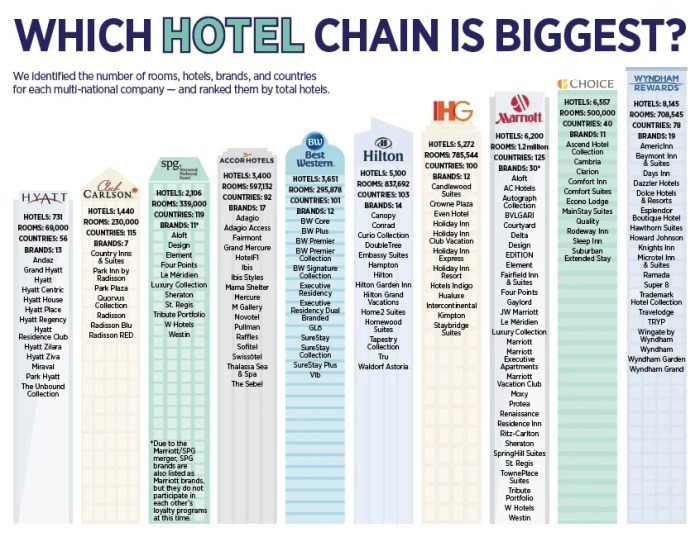
A crucial aspect of evaluating hotel loyalty programs is understanding how different chains structure their programs. Comparing the earning and redemption systems of major players like Marriott, Hilton, Hyatt, IHG, and Choice reveals distinct approaches to rewarding customer loyalty. This comparison provides insights into the benefits and drawbacks of each program, enabling travelers to choose the program best aligned with their travel patterns and preferences.
Marriott Bonvoy
Marriott Bonvoy, known for its expansive global reach, offers a comprehensive program. Members earn points through stays, bookings, and participating in activities. Redemption options are varied, including room upgrades, free nights, and unique experiences. The program’s strength lies in its extensive network of hotels worldwide, providing diverse choices. However, the sheer volume of earning opportunities can be overwhelming for some members. A potential drawback involves a relatively high number of points needed for desirable rewards.
Hilton Honors
Hilton Honors, a competitor with a vast network, emphasizes earning and redeeming points through stays. Members can also earn points through various partnerships, expanding their opportunities. Hilton Honors’ rewards are often tailored to specific hotel categories, offering choices that cater to different preferences. A potential drawback is that earning points through non-Hilton activities might not always be straightforward. Redemption options typically align with Hilton properties.
Hyatt’s Globalist Program
Hyatt’s Globalist program, known for its focus on a curated experience, prioritizes exclusive access to certain benefits. Earning points is primarily tied to Hyatt stays, but members can also earn through other partnerships. The program’s unique selling point lies in its emphasis on high-value experiences. However, earning points can be more restrictive compared to other programs. Redemption options are generally well-aligned with Hyatt properties.
IHG Rewards Club
IHG Rewards Club, boasting a large portfolio of brands, offers a straightforward earning structure. Members earn points primarily through stays, but also through various partner activities. A key advantage is the flexibility of redemption options, which include room nights, upgrades, and experiences. However, the program’s earning potential might be less than that of some competitors. Redemption options are well-suited for various travel styles.
Choice Privileges
Choice Privileges, focusing on a broad range of hotels, presents a simple point system. Earning is largely centered on stays, with opportunities for bonus points. A significant advantage is the program’s accessibility, offering a more straightforward path to earning and redeeming. However, the program’s rewards might be less appealing compared to others for frequent travelers seeking more substantial perks. Redemption options are typically tied to Choice-branded properties.
Comparison Table
| Chain | Earning System | Redemption Options | Perks |
|---|---|---|---|
| Marriott Bonvoy | Stays, bookings, activities | Room upgrades, free nights, experiences | Extensive global network |
| Hilton Honors | Stays, partnerships | Room nights, upgrades, experiences | Tailored rewards based on hotel categories |
| Hyatt Globalist | Stays, partnerships | Exclusive access, experiences | Curated experiences, high-value benefits |
| IHG Rewards Club | Stays, partnerships | Room nights, upgrades, experiences | Flexible redemption options, broad portfolio |
| Choice Privileges | Stays, bonus points | Room nights, perks | Simple point system, broad accessibility |
Analyzing Program Features and Benefits
Hotel loyalty programs are designed to incentivize repeat business and foster strong customer relationships. Understanding the features and benefits offered within these programs is crucial for travelers to choose the program best suited to their needs and travel style. Different programs cater to various traveler types, offering varying degrees of value and flexibility.
Key Features Appealing to Different Traveler Types
Different traveler types prioritize different aspects of hotel loyalty programs. Business travelers, for instance, often value programs with streamlined points accumulation, while leisure travelers may prioritize perks like free amenities or access to exclusive experiences. Frequent travelers, on the other hand, are usually looking for maximum rewards and value in their accumulated points. Understanding these preferences allows programs to better target specific needs and drive engagement.
Points Accumulation Speed
The speed at which points are accumulated is a critical factor for many travelers. A program offering rapid point accrual encourages frequent engagement, particularly for frequent travelers who can quickly attain elite status or redeem rewards. Some programs offer bonus points for specific booking patterns, such as stays on weekdays or during off-peak seasons. This strategy attracts travelers looking to optimize their points earnings.
Redemption Flexibility
The flexibility of redemption options is another key consideration. A program with a wide array of redemption choices, including free nights, upgrades, or exclusive amenities, provides more options for travelers. Programs that allow flexibility in how and when points can be used increase the program’s appeal. For instance, some programs may offer more flexible redemption rules for points accumulated through specific activities, like dining or shopping at partner establishments.
Exclusive Access to Benefits
Exclusive benefits, like priority check-in/check-out, complimentary breakfasts, or access to exclusive events, enhance the overall value proposition of a loyalty program. These benefits create a sense of exclusivity and reward frequent engagement. Elite members often enjoy enhanced perks, such as preferred room assignments, dedicated concierge services, and priority access to special offers and events.
Value Proposition of Program Tiers and Membership Levels
Loyalty programs often feature tiered membership levels, each offering progressively more benefits. The value proposition of these tiers lies in the incremental rewards offered at each level. For instance, a program might offer bonus points, early booking access, or complimentary amenities with each higher tier. This tiered structure provides a clear pathway for travelers to earn more benefits and enhance their loyalty experience.
Program Features Comparison
| Feature | Description | Importance |
|---|---|---|
| Bonus Points | Extra points are awarded for specific actions, like staying on weekdays or through partner programs. | Increases points accumulation speed, making the program more attractive. |
| Elite Status | Achieved through accumulating points or stays, offering enhanced benefits like priority check-in/check-out and room upgrades. | Motivates frequent travelers to engage more and rewards loyalty. |
| Free Nights | Redemption of accumulated points for free nights at participating hotels. | A highly desirable benefit for travelers looking to save money on accommodations. |
Evaluating Program Functionality and Ease of Use

Source: givex.com
Hotel loyalty programs are increasingly reliant on digital platforms for managing accounts, earning rewards, and redeeming points. The ease of use and functionality of these platforms directly impact member satisfaction and program engagement. A well-designed program with intuitive interfaces can foster loyalty and encourage repeat business, whereas a cumbersome or poorly designed system can lead to frustration and abandonment.
A critical aspect of evaluating any loyalty program is understanding its digital infrastructure. How readily accessible are the program’s features? Are the mobile apps and online portals user-friendly and efficient? This assessment considers not only the available features but also the overall user experience.
Mobile App Functionality
Mobile apps have become the primary interface for many hotel loyalty programs. A well-designed app should provide quick access to member accounts, allowing users to view their points balance, upcoming stays, and past transactions. Real-time updates on reward progress and the ability to manage preferences are also essential features. Furthermore, the app should seamlessly integrate with other travel planning tools, making it a central hub for managing all travel arrangements.
Online Portal Functionality: Which is the best hotel loyalty program
While mobile apps dominate, online portals are still important for users who prefer desktop interfaces. These portals often offer greater detail and customization options, such as advanced filtering for reward searches or the ability to manage multiple accounts. Robust online tools are crucial for handling complex reward redemption or booking procedures.
Ease of Use and Navigation
The user experience is paramount. A program’s interface should be intuitive and easy to navigate, even for new members. Clear instructions and helpful tooltips can significantly enhance usability. Minimizing steps required for tasks like checking balances or redeeming points contributes to a positive experience. Visual cues, consistent layouts, and concise language all play a vital role in user-friendly design. This translates to quicker reward accumulation and increased member satisfaction.
Interface Comparison: Marriott Bonvoy and Hilton Honors
| Program | Ease of Use | Navigation | Key Features |
|---|---|---|---|
| Marriott Bonvoy | Generally considered user-friendly, with a clean design and clear visual hierarchy. Easy to locate account information and reward details. | Navigation is straightforward. The app’s structure is logical, allowing quick access to relevant information. | Includes a comprehensive rewards system, integrates well with other travel apps, and provides useful tools for planning trips. Offers various redemption options, including unique experiences. |
| Hilton Honors | Often praised for its straightforward design and intuitive navigation. Members find it relatively easy to manage their accounts. | The navigation is logical, and users can easily locate information. The structure is consistent across different pages. | A strong emphasis on earning and redeeming points, with various opportunities to enhance rewards. The program often integrates with other travel services and loyalty programs. |
The table above offers a concise comparison, but individual experiences may vary. Factors such as personal familiarity with the platforms and specific needs will influence the perceived ease of use. Further research into user reviews and feedback could offer a more comprehensive understanding of member experiences with these particular programs.
Exploring Emerging Trends in Hotel Loyalty
Source: thepointsguy.com
Hotel loyalty programs are constantly evolving to meet the changing demands of travelers. This evolution is driven by technological advancements, shifting consumer preferences, and the competitive landscape. Understanding these emerging trends is crucial for hotels to attract and retain customers in the future.
The future of hotel loyalty programs is increasingly focused on personalization, digital integration, and strategic partnerships. This shift reflects a growing desire for tailored experiences and seamless interactions, alongside a need to leverage the power of collaboration.
Personalized Experiences
Hotels are increasingly recognizing the importance of tailoring the guest experience to individual preferences. Data-driven insights are employed to understand guest behaviors and preferences, allowing for the creation of customized offers and recommendations. This personalization extends beyond basic rewards, encompassing everything from room preferences to dining recommendations. For example, a hotel might offer a curated itinerary for a guest based on their previous stays or online browsing history, incorporating local attractions and dining experiences aligned with their interests. This proactive approach enhances the guest journey, making it more relevant and valuable.
Digital Wallet Integration
The integration of digital wallets into loyalty programs is a significant trend. This facilitates seamless transactions and rewards redemption, eliminating the need for physical cards or paper receipts. Hotels are increasingly partnering with popular digital payment platforms, enabling guests to manage their loyalty accounts and make payments directly through their mobile devices. This integration streamlines the entire process, offering a more convenient and efficient experience for both the hotel and the guest.
Partnerships with Other Brands
Collaboration between hotel chains and other businesses is another key trend. This approach allows for the expansion of loyalty programs and the provision of a wider range of benefits to members. For example, a hotel loyalty program might partner with airlines, rental car companies, or even local restaurants to provide combined rewards and offers. Such partnerships broaden the appeal of the program and create more opportunities for guests to accrue points and redeem rewards across various industries.
Evolution of Hotel Loyalty Programs
Hotel loyalty programs have come a long way from simple point-based systems. The early programs focused primarily on accumulating points for future stays. Over time, they evolved to incorporate more features, including rewards redeemable for various amenities, such as spa treatments or dining experiences. This evolution reflects the changing expectations of travelers and the desire for more comprehensive and rewarding experiences. Key milestones include the introduction of frequent guest programs in the mid-20th century, the rise of online booking platforms, and the integration of mobile technology, each shaping the landscape of hotel loyalty programs.
Illustrative Examples of Successful Programs
Source: fidistravel.com
Hotel loyalty programs have become a crucial aspect of the hospitality industry, driving customer retention and revenue generation. Successful programs go beyond simply offering points; they foster genuine engagement and create a positive brand experience. Examining exemplary programs provides valuable insights into effective strategies for attracting and retaining customers.
Examining exemplary programs reveals how strategic implementation, tailored customer engagement, and innovative marketing approaches contribute to program success. These programs not only accrue members but also build long-term relationships, ultimately strengthening the hotel chain’s reputation and market position.
Key Features of Exemplary Programs
Successful hotel loyalty programs share several key characteristics. These features, when combined effectively, create a compelling value proposition for members and enhance the hotel chain’s overall profitability.
- Personalized Experiences: Leading programs recognize individual preferences and tailor rewards accordingly. For example, frequent travelers might receive exclusive access to airport lounges or preferred room upgrades, while families might appreciate discounts on kid-friendly amenities. This personalized approach fosters a stronger sense of connection and loyalty.
- Strategic Partnerships: Collaborations with complementary businesses (e.g., airlines, rental car companies) expand the value proposition and create a more comprehensive travel experience for members. Points earned at one partner can be redeemed at another, boosting program appeal and increasing member engagement.
- Clear and Transparent Structure: Programs with easily understood reward structures, point accumulation methods, and redemption processes reduce customer confusion and frustration. This transparency encourages participation and builds trust.
Marketing Strategies of Exemplary Programs
Effective marketing is essential for attracting and engaging members. Successful programs employ a multi-faceted approach, targeting various customer segments with tailored messaging and offers.
- Targeted Campaigns: These programs employ sophisticated data analysis to segment customers based on travel patterns, preferences, and spending habits. Tailored promotions and offers are then delivered to the most receptive audience, maximizing campaign effectiveness. This approach allows for more focused messaging, maximizing impact and engagement.
- Digital Engagement: Leveraging mobile apps, websites, and social media, these programs offer seamless integration into the customer’s travel planning and booking process. These platforms facilitate instant communication, exclusive offers, and streamlined reward management, fostering customer interaction and encouraging repeat stays.
- Community Building: Many successful programs actively cultivate a sense of community among members. Online forums, exclusive events, and social media groups foster interaction, allowing members to connect and share travel experiences. This promotes a feeling of belonging and strengthens brand advocacy.
Customer Engagement Tactics
Customer engagement is critical for maintaining program interest and fostering loyalty. Innovative approaches are crucial to create a positive and memorable experience for members.
| Program | Strategy | Customer Engagement |
|---|---|---|
| Hyatt’s Globalist program | Emphasis on personalized experiences, exclusive access to lounges, and targeted offers. | Building strong relationships through tailored rewards and exceptional service, fostering a sense of exclusivity and appreciation. |
| Marriott Bonvoy | Strategic partnerships with airlines and rental car companies provide comprehensive travel benefits. | Expanding the program’s value proposition by integrating with various travel services, creating a holistic and convenient travel experience. |
| IHG Rewards Club | A simple and transparent reward structure with a wide range of redemption options. | Promoting accessibility and ease of use, making the program appealing to a broader customer base. |
Practical Recommendations for Program Selection
Choosing the optimal hotel loyalty program hinges on understanding your travel patterns and preferences. A program that rewards frequent stays in a specific region or caters to specific needs, like family travel or luxury accommodations, will prove more valuable than one that doesn’t. This section provides a structured approach to selecting the ideal program for your travel habits.
Assessing Individual Travel Patterns and Preferences
Understanding your travel habits is paramount in selecting a suitable hotel loyalty program. Consider the frequency of your stays, preferred destinations, and typical travel companions. Are you a frequent business traveler, a family vacationer, or an adventurous solo explorer? Do you prioritize budget-friendly options, luxurious experiences, or specific amenities? Answering these questions will help narrow down the pool of potential programs.
Developing a Personalized Selection Criteria
Creating a tailored set of criteria for program evaluation is essential. Consider factors like reward redemption options, the level of points earned per stay, the availability of partner benefits, and the program’s ease of use. Think about how valuable the various perks and features are to your travel style. Do you value free breakfasts or upgrades, or are exclusive access programs more appealing?
Step-by-Step Guide for Travelers
- Identify Your Travel Patterns: Analyze your past travel history to understand the frequency, destinations, and types of accommodations you typically choose. Consider the average duration of your trips and the number of people travelling with you.
- Define Your Preferences: Determine your priorities in a hotel stay. Do you prioritize location, amenities, or price? Consider your budget and the typical price range you are comfortable with. Do you need a specific type of room, like a connecting room or a suite?
- Research Available Programs: Thoroughly investigate the hotel loyalty programs offered by major hotel chains. Explore their reward structures, redemption options, and partner benefits. Compare and contrast the programs based on your travel preferences.
- Evaluate Program Functionality and Ease of Use: Assess the ease of enrollment, earning points, and redeeming rewards. A user-friendly program will enhance the overall experience. Examine the online platforms and mobile applications to assess their functionality and intuitiveness.
- Consider the Value Proposition: Compare the total value of rewards offered by each program against your typical travel spending. A program offering significant value about your travel frequency and preferences will be a better fit.
- Choose the Best-Suited Program: Select the program that best aligns with your travel patterns, preferences, and needs. Consider factors like earning potential, reward redemption flexibility, and the program’s overall user experience.
Summary of Criteria for Selecting a Hotel Loyalty Program
| Criteria | Weighting | Description |
|---|---|---|
| Travel Frequency | 30% | Assess how often you travel. A frequent traveler will prioritize programs offering higher rewards per stay. |
| Preferred Destinations | 20% | Consider programs that offer rewards in areas you visit most often. |
| Travel Companions | 15% | Evaluate programs that cater to family travel or other specific needs. |
| Budget | 15% | Prioritize programs that offer value for the money spent on accommodations. |
| Program Features | 20% | Evaluate the features, such as partner benefits, earning potential, and redemption flexibility. |
Summary: Which Is The Best Hotel Loyalty Program
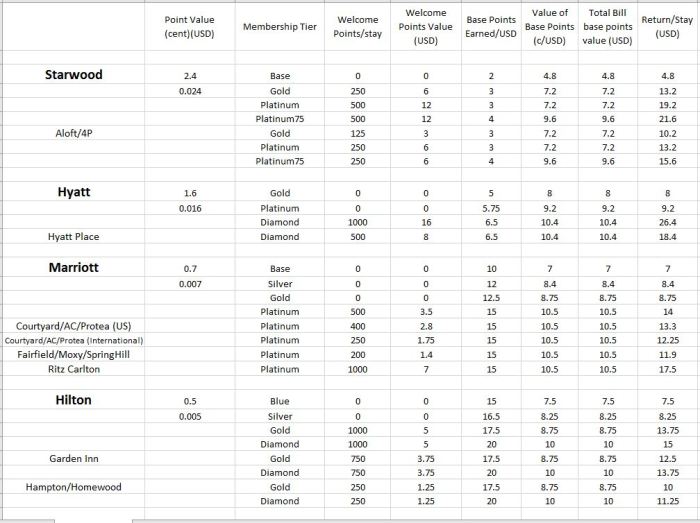
Source: boardingarea.com
In conclusion, choosing the best hotel loyalty program is a personalized journey. No single program reigns supreme for every traveler. By considering individual travel patterns, preferences, and desired benefits, you can identify the program that best aligns with your needs. Ultimately, the value proposition of each program depends on how well it meets your specific travel goals. This analysis has highlighted the factors to consider and hopefully equipped you with the necessary tools to make the optimal choice.