Best Hotel Airline Credit Cards Your Travel Toolkit
Best hotel airline credit cards are more than just plastic; they’re your personal travel toolkit. They offer a powerful way to maximize your travel rewards, whether you’re a frequent flyer, a luxury traveler, or planning a family adventure. This guide dives deep into the world of hotel and airline credit cards, exploring their benefits, drawbacks, and the key strategies to get the most out of your travel rewards.
From understanding the different reward programs and comparing various cards to mastering the terms and conditions and responsible use, we’ll equip you with the knowledge to choose the perfect card to fit your travel style and budget. Learn how to strategically use these cards to earn free flights, hotel stays, and other valuable travel perks.
Introduction to Hotel & Airline Credit Cards: Best Hotel Airline Credit Cards
Source: money.com
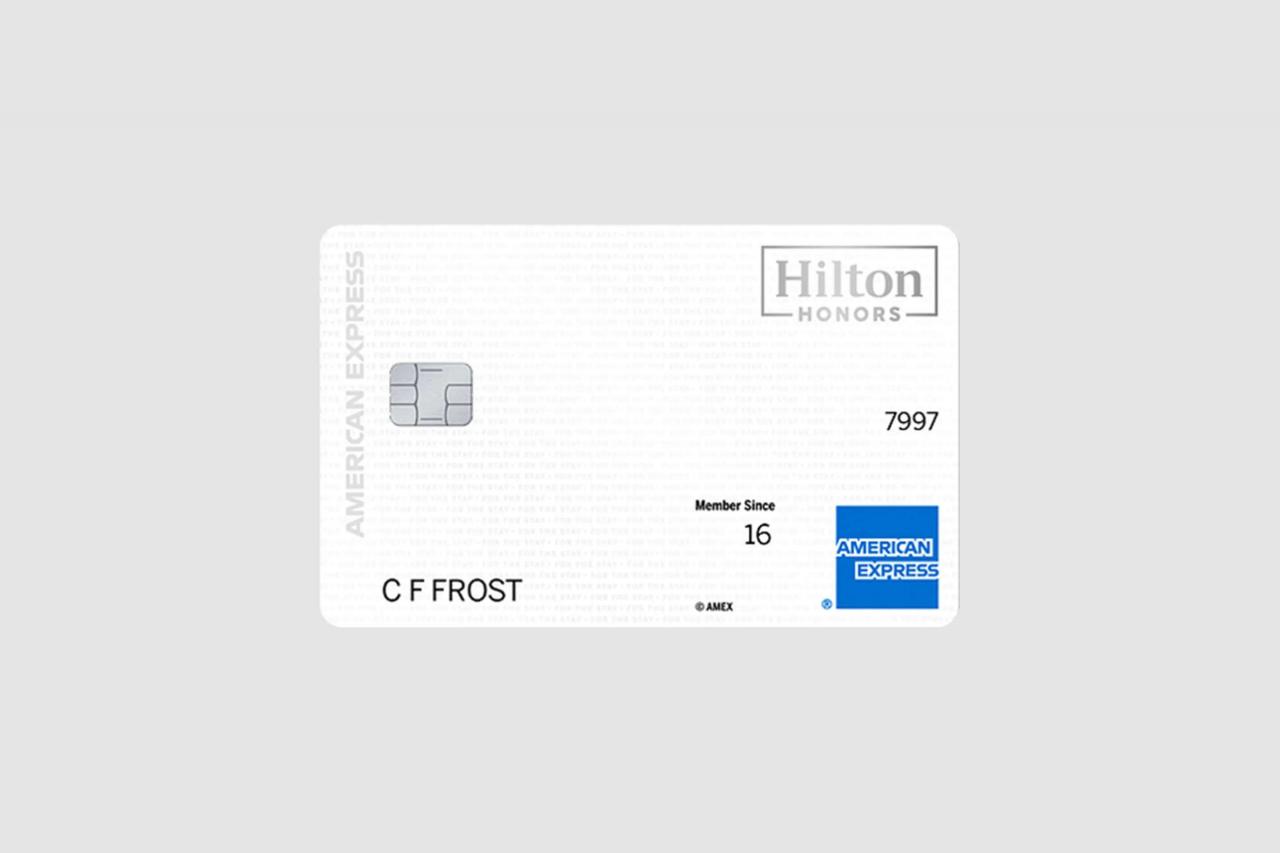
Hotel and airline credit cards offer a compelling way to earn rewards for travel expenses. They leverage the power of loyalty programs to incentivize spending, often granting substantial benefits for frequent travelers. However, understanding the nuances of these cards is crucial to maximizing their value and avoiding potential drawbacks.
These cards function as a strategic tool for those seeking travel rewards. They typically involve earning points or miles that can be redeemed for flights, hotel stays, or other travel-related expenses. Choosing the right card depends on individual travel patterns and spending habits.
Types of Hotel & Airline Credit Cards
Different types of hotel and airline credit cards cater to various needs and preferences. General-purpose cards provide a broad range of rewards, while specialized cards, such as those tied to specific hotel chains or airlines, offer more targeted benefits. The benefit structure varies significantly, often aligning with the cardholder’s anticipated travel patterns.
- General-purpose cards: These cards offer rewards that can be applied to a range of travel expenses, encompassing flights, hotels, and rental cars. They often provide a more flexible approach for frequent travelers with diverse travel plans.
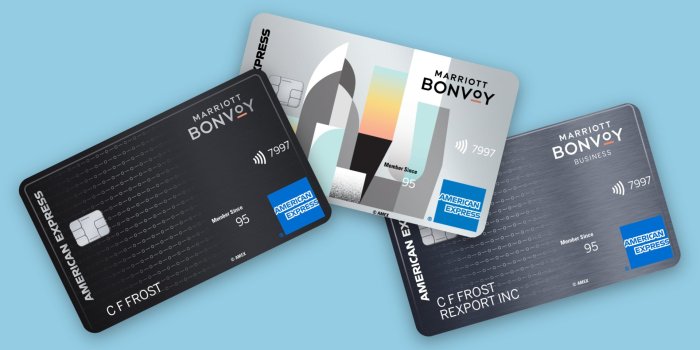
- Specific hotel chain cards: These cards focus rewards on a particular hotel brand. Frequent guests of a specific chain will find that the rewards align directly with their travel patterns, maximizing the benefits. For instance, Marriott Bonvoy cards offer substantial rewards for stays at Marriott hotels.
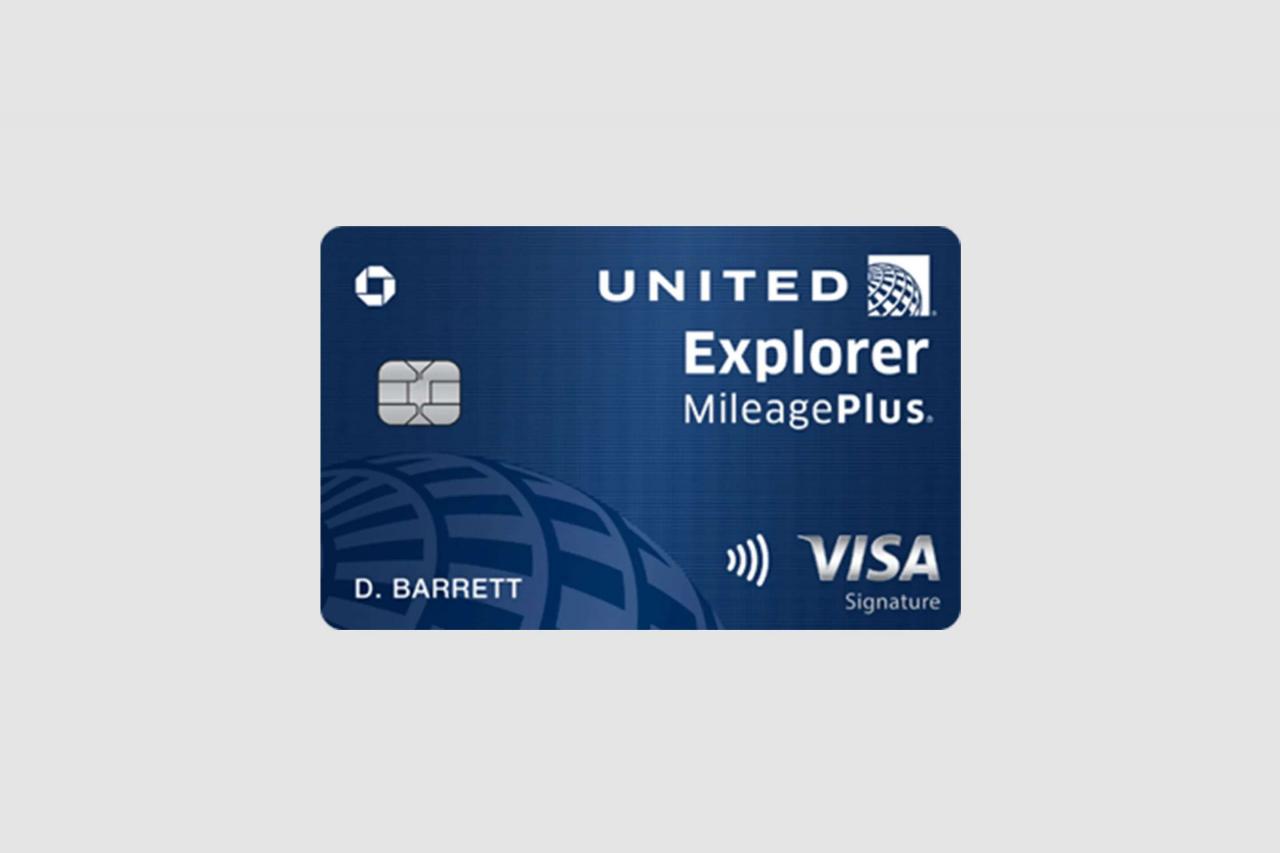
- Specific airline cards: These cards provide significant rewards for frequent flyers. Cards from specific airlines, such as Delta SkyMiles or United MileagePlus, often offer advantages like priority boarding or access to exclusive airport lounges.
Rewards Programs
Rewards programs are the core of hotel and airline credit cards. Points, miles, or cash back are the most common forms of rewards. Earning and redeeming these rewards can significantly reduce the cost of travel. Understanding the value proposition of each reward program is essential.
- Points: Points are a common reward type, frequently used for hotel stays, and can be transferred to other programs. Points programs are flexible and allow for a wider range of redemption options.
- Miles: Miles are typically associated with airline travel, allowing for the redemption of flights or upgrades. Miles programs are directly tied to specific airlines and provide benefits focused on air travel.
- Cash back: Cash back rewards are straightforward, allowing cardholders to receive a percentage of their spending back as cash. This type of reward is simple and allows cardholders to directly apply the reward to other expenses.
Comparison of Hotel & Airline Credit Cards
This table provides a concise comparison of different categories of hotel and airline credit cards. It highlights the key benefits and drawbacks to help cardholders make informed decisions.
| Category | Description | Benefits | Drawbacks |
|---|---|---|---|
| General-Purpose | Broad rewards apply to various travel expenses. | Flexibility in using rewards; potential for higher rewards if used strategically. | Rewards might not be as substantial as specialized cards. |
| Specific Hotel Chain | Rewards are tied to a particular hotel brand. | Significant rewards for frequent stays at the partnered hotels. | Limited redemption options outside the partnered hotel chain. |
| Specific Airline | Rewards focused on flights with a particular airline. | Extensive rewards for frequent flyers with the partnered airline. | Limited redemption options for non-airline travel expenses. |
Benefits of Hotel and Airline Credit Cards
Hotel and airline credit cards offer compelling rewards programs designed to incentivize travel and maximize savings. These cards often provide substantial value for frequent travelers, offering significant benefits beyond simply paying for accommodations and flights. Strategic use of these cards can translate into substantial savings on travel expenses.
Hotel and airline credit cards often reward spending with points or miles that can be redeemed for a variety of travel-related benefits. These rewards are typically accumulated based on spending on eligible purchases. The value of these rewards varies significantly depending on the specific card and its associated rewards program.
Rewards Programs and Their Functionality
Rewards programs associated with hotel and airline credit cards operate on a points-based system. Earned points can be redeemed for various benefits, including travel upgrades, free flights, and hotel stays. The value of these points is directly tied to the redemption policies of the particular program. Many programs offer flexible redemption options, allowing travelers to choose how to use their points for maximum value.
Value of Earning Points and Miles
Earning points and miles can lead to substantial savings and travel upgrades. Accumulated points can be used for complimentary flights, hotel stays, or travel upgrades, thereby reducing the cost of travel significantly. For instance, a traveler with a high volume of travel can quickly accumulate enough points to cover a significant portion of their travel expenses, making these cards particularly attractive for frequent travelers. These perks also extend to travel partners, offering an attractive option for family or group travel.
Savings on Travel Expenses
Hotel and airline credit cards offer a variety of ways to save money on travel. The reward points or miles earned through spending on eligible purchases can be redeemed for travel accommodations, flights, and upgrades, effectively reducing the overall cost of travel. By strategically using these cards, travelers can often offset or even eliminate the cost of flights or hotel stays. For example, someone booking a trip could use the rewards to pay for a portion of the trip, or even the entirety of it.
Benefits for Frequent Hotel Guests
Hotel credit cards are especially advantageous for individuals who frequently stay at specific hotel chains. These cards often offer exclusive benefits like complimentary room upgrades, early check-in/late check-out privileges, and access to exclusive amenities. Furthermore, earning points toward free stays at preferred hotels can translate into substantial long-term savings. This is especially useful for business travelers who stay at specific hotel chains frequently.
Benefits for Frequent Flyers
Airline credit cards are a great option for frequent flyers. They provide access to perks like free checked baggage, priority boarding, and lounge access, improving the overall travel experience. Earning miles for every flight and use of the card can accumulate significant rewards, eventually leading to free flights or upgrades on preferred airlines. These cards are particularly useful for those who fly regularly for business or leisure.
Value of Different Reward Programs
| Program | Points/Miles Earning Rate | Redemption Value | Additional Perks |
|---|---|---|---|
| Example Program A | 1 point per $1 spent | 10,000 points = 1 free flight | Priority boarding, lounge access |
| Example Program B | 2 points per $1 spent (on hotel stays) | 15,000 points = 1 free night at a partner hotel | Complimentary room upgrades |
| Example Program C | 1 mile per $5 spent (on flights) | 25,000 miles = 1 round-trip flight | Free checked baggage |
Comparison of Different Cards
Choosing the right hotel or airline credit card can significantly enhance your travel rewards and potentially save money. Understanding the nuances of different programs, annual fees, and redemption options is key to maximizing your travel benefits. This section delves into the comparative analysis of these cards, highlighting key features and factors to consider.
Rewards Programs and Annual Fees
Different hotel and airline credit cards offer varying reward structures. Some cards prioritize earning points for every dollar spent, while others emphasize earning miles or points at specific hotels or airlines. Annual fees also play a crucial role, acting as a trade-off for potential rewards. A high annual fee might be justified if the card provides substantial benefits and frequent travel opportunities, but it may not be suitable for infrequent travelers. Careful consideration of your travel frequency and spending habits is essential.
Factors to Consider When Choosing a Card
Several factors influence the optimal choice for a hotel or airline credit card. Travel frequency is paramount; frequent travelers can leverage cards with generous rewards programs. Spending habits also matter; those with substantial travel expenses may benefit from cards with higher earning rates. Finally, preferences for specific hotel chains or airlines significantly impact card selection. A card tailored to your preferred travel destinations and carriers will maximize rewards.
Card Providers and Their Strengths and Weaknesses
Numerous companies offer hotel and airline credit cards. Some prominent providers, like American Express, often feature premium cards with significant rewards programs. Other providers might specialize in particular airline or hotel loyalty programs, offering more targeted rewards. Understanding the strengths and weaknesses of each provider is essential for making informed decisions.
Top 5 Hotel Credit Cards Comparison
This table compares the top 5 hotel credit cards based on key criteria: annual fee, points per dollar spent, and redemption options.
| Card Name | Annual Fee | Points/Miles Earned | Redemption Options |
|---|---|---|---|
| Hilton Honors American Express Aspire Card | $95 | 5 points per dollar spent | Wide range of hotels, flexible redemption |
| Marriott Bonvoy Boundless Credit Card | $0 | 3 points per dollar spent | Extensive Marriott Bonvoy portfolio, reasonable redemption |
| Hyatt Card from Chase | $0 | 10 points per dollar spent | Limited to Hyatt properties, but high earning rate |
| World of Hyatt Credit Card | $0 | 10 points per dollar spent | Wide range of hotels, but fewer redemption options |
| Hyatt Visa Signature Card | $0 | 10 points per dollar spent | Limited to Hyatt properties, but high earning rate |
Top 5 Airline Credit Cards Comparison
This table compares the top 5 airline credit cards based on key criteria: annual fee, miles earned, and elite status benefits.
| Card Name | Annual Fee | Miles Earned | Elite Status Benefits |
|---|---|---|---|
| American Express Platinum Card | $695 | 2x miles on travel and dining | Priority Pass membership, airport lounge access |
| Chase Sapphire Preferred Card | $95 | 2x miles on travel and dining | Potential for elite status with consistent spending |
| United Explorer Card | $0 | 2x miles on United flights | No elite status benefits, but excellent value |
| Southwest Rapid Rewards Plus Credit Card | $0 | 2x miles on Southwest flights | No elite status benefits, but excellent value |
| Citi PremierMiles | $0 | 1x miles on various purchases | No elite status benefits, but excellent value |
Understanding the Terms and Conditions
Source: money.com
Hotel and airline credit cards offer enticing rewards, but understanding the fine print is crucial for maximizing their value. Knowing the terms and conditions, including annual fees, spending requirements, and redemption rules, empowers you to make informed decisions and avoid surprises. Different cards have varying reward structures, so a comprehensive understanding is essential.
Annual Fees and Spending Requirements
Annual fees are a common aspect of premium hotel and airline credit cards. These fees can range from nominal amounts to substantial sums. Understanding the amount and when it’s charged is vital. Spending requirements, often expressed as minimum annual spending thresholds, can affect earning potential. Meeting these requirements unlocks greater reward accrual. For instance, a card might offer bonus points or miles for reaching a specific spending target. Cards with higher annual fees often come with more extensive benefits, potentially offsetting the cost.
Redemption Rules and Travel Awards
Redemption rules dictate how you can use your accumulated rewards. These rules vary widely between cards, specifying the types of travel experiences you can redeem for. Common travel awards include points, miles, and cash back. Points and miles can be exchanged for flights, hotel stays, or other travel-related expenses. Cash back rewards can be used for a wider variety of purchases, but may have less value in terms of specific travel experiences. Careful consideration of these rules is essential to optimize your rewards.
Maximizing Reward Value
Maximizing the value of your rewards requires careful planning and strategy. Strategies include booking travel during off-peak seasons or utilizing specific reward programs to secure better deals. Consider researching and comparing different redemption options. For example, redeeming miles for a specific flight or hotel might be more valuable than redeeming them for a travel voucher. Understanding the value proposition of each option is crucial. Different cards have varying redemption structures, such as mileage transfer capabilities or specific partner airline deals. It is advisable to research these capabilities for each card.
Important Considerations
Carefully review the fine print to avoid unexpected fees and restrictions.
Before applying for a hotel or airline credit card, thoroughly examine the terms and conditions. Pay particular attention to the annual fee structure, spending requirements, and redemption rules. Compare multiple cards based on these factors to identify the best fit for your travel needs and spending habits. Misunderstanding these elements can lead to significant financial drawbacks.
Strategies for Maximizing Rewards
Unlocking the full potential of hotel and airline credit cards requires strategic planning and understanding of the various reward programs. This section details effective strategies to maximize rewards and benefits, enabling you to achieve specific travel goals while optimizing your spending habits. We’ll also discuss the crucial role of travel insurance and demonstrate how these cards can cater to diverse travel needs.
Reward Program Specifics
Understanding the nuances of each card’s reward program is key to maximizing your benefits. Review the terms and conditions carefully to grasp the earning rates, redemption options, and any blackout dates or restrictions. Some cards offer bonus points for specific spending categories, while others may provide flexibility in redeeming points for various travel options.
Strategic Spending for Maximum Points
To gain the most from your chosen card, consider strategic spending habits. Identify spending categories that align with your earning potential and prioritize these for your purchases. For instance, if a card offers bonus points on dining, allocate some of your regular dining budget towards restaurants that align with the program.
Utilizing Travel Insurance for Protection
Travel insurance is a crucial component of any travel plan. It provides financial protection against unforeseen events such as flight cancellations, trip interruptions, medical emergencies, and lost luggage. Ensure your chosen plan aligns with your specific travel needs, including medical coverage and baggage allowance. The value of comprehensive travel insurance cannot be overstated, especially when utilizing rewards cards for substantial travel investments.
Specific Travel Use Cases
| Travel Type | Card Strategy |
|---|---|
| Business Trips | Maximize earning potential on business-related expenses like flights, hotels, and meals. Utilize the card’s benefits, such as airport lounge access, to enhance your business travel experience. |
| Family Vacations | Utilize the card’s bonus categories to gain extra points for family-oriented spending, such as dining and entertainment. Consider travel insurance to cover unexpected costs. |
| Luxury Travel | Select cards that offer premium benefits, such as concierge services or exclusive access to lounges. Maximize rewards by carefully choosing your hotel and airline stays and utilizing the perks. |
Redemption Process Flowchart
Following a structured process for redeeming rewards simplifies the process and prevents errors. The following flowchart illustrates the typical steps:
(Note: This is a general example. Specific steps may vary depending on the card and redemption method.)
Flowchart: Reward Redemption
[A simple, visual flowchart would be inserted here. It would illustrate the process:
1. Access your account online or via the app.
2. Check your available points balance.
3. Select the desired travel redemption option (e.g., flight, hotel).
4. Enter the desired destination, dates, and other details.
5. Review the redemption summary and confirm your choice.
6. Receive confirmation of your redemption.]
Responsible Use of Credit Cards

Using credit cards responsibly is crucial for maintaining a healthy financial life. Proper budgeting and mindful spending habits are key to avoiding potential financial pitfalls. Understanding the implications of irresponsible use and how to build and maintain a good credit history are essential for long-term financial well-being. Meeting minimum payments on time is paramount to avoiding late fees and damage to your credit score.
Responsible credit card usage extends beyond simply making payments. It involves a proactive approach to understanding your spending habits, setting realistic budgets, and recognizing the potential consequences of overspending. A strong credit history, built on responsible practices, can unlock numerous financial opportunities.
Importance of Budgeting
Effective budgeting is a cornerstone of responsible credit card use. It involves tracking income and expenses to understand spending patterns and identify areas for potential savings. By carefully allocating funds, individuals can avoid accumulating debt and make informed decisions about credit card usage. A well-defined budget allows for proactive management of credit card spending and helps avoid overspending.
Consequences of Irresponsible Use, Best hotel airline credit cards
Irresponsible credit card use can lead to a cascade of negative financial outcomes. High-interest charges, late fees, and damage to credit scores are just a few potential consequences. Overspending and failing to manage debt can result in significant financial strain and difficulty achieving financial goals. For example, a missed payment can trigger a negative mark on your credit report, impacting your ability to secure loans, rent an apartment, or even obtain a new credit card in the future.
Understanding Credit Scores
Credit scores are numerical representations of an individual’s creditworthiness. They are based on factors like payment history, credit utilization, length of credit history, new credit, and types of credit. Understanding how credit scores are calculated and the factors that influence them is critical for maintaining a positive credit history. A higher credit score generally translates to better interest rates and more favorable terms when applying for loans or credit.
Creating and Maintaining a Good Credit History
A good credit history is built over time through consistent and responsible credit card use. Paying bills on time, keeping credit utilization low, and avoiding excessive applications for new credit are essential components of building and maintaining a strong credit profile. Consistent, timely payments and responsible use demonstrate reliability and financial stability to lenders.
Importance of Meeting Minimum Payments
Meeting minimum payments on time is crucial for maintaining a good credit history. Consistent on-time payments demonstrate financial responsibility to lenders and contribute positively to your credit score. Failure to meet minimum payments can lead to late fees, damage to your credit score, and increased interest charges, making it harder to manage debt in the future. This is one of the most important aspects of credit card responsibility.
Meeting minimum payments consistently and on time is a fundamental aspect of responsible credit card use.
Illustrative Examples
Choosing the right hotel or airline credit card can significantly impact your travel experience and savings. Understanding how different cards apply to various travel scenarios is crucial for maximizing rewards. This section provides illustrative examples to highlight the potential benefits of using these cards.
Couple’s Honeymoon
A couple planning a luxurious honeymoon in the Maldives might consider a premium hotel credit card offering significant travel rewards points. Accumulating points for flights and accommodations through this card can cover a substantial portion of the trip expenses, potentially reducing the financial burden. The couple could use the card to book flights, hotel stays, and even pre-paid excursions.
Solo Backpacking Trip
For a solo backpacking trip through Southeast Asia, a travel rewards credit card with a focus on international transaction fees and frequent flyer miles can prove advantageous. The card might offer bonus points on flights and accommodation bookings, providing significant value on a budget-friendly trip. The card’s rewards can offset the costs of transportation, lodging, and activities, enabling a more immersive experience.
Potential Savings Table
The table below showcases potential savings when using different hotel and airline credit cards for various trip types. These figures are estimates and can vary based on individual spending habits and specific card offers.
| Trip Type | Estimated Savings | Credit Card Used |
|---|---|---|
| Luxury Weekend Getaway | $300 – $500 | Premium Hotel Credit Card |
| Family Road Trip (4 people) | $100 – $250 | Airline Credit Card with Family-Friendly Benefits |
| International Adventure Trip (1 person) | $200 – $400 | Travel Rewards Credit Card with International Transaction Fee Benefits |
Luxury Stay with Hotel Credit Card
A premium hotel credit card offers unique benefits for luxury stays. These cards often provide exclusive perks, such as complimentary room upgrades, access to VIP lounges, or priority check-in/check-out services. Using a hotel credit card for a luxury hotel stay could potentially result in significant savings on amenities or perks associated with the card. For example, a stay at a five-star resort could include complimentary spa treatments or access to exclusive event opportunities.
Family Vacation with Substantial Savings (Airline Credit Card)
Imagine a family vacation to a theme park destination. An airline credit card with substantial rewards programs could yield considerable savings. The card might offer bonus miles for flights and hotel stays, potentially reducing the cost of airfare, accommodations, and park tickets. The family could use the card to book flights, pre-pay for hotel rooms, and purchase theme park tickets, potentially saving hundreds of dollars. This example highlights how the strategic use of an airline credit card can significantly impact the cost of a family vacation.
Final Thoughts
In conclusion, understanding the world of hotel and airline credit cards empowers you to make informed decisions about your travel spending. By carefully considering the benefits, drawbacks, and terms of different cards, and by strategically maximizing rewards, you can unlock substantial savings and personalized travel experiences. Responsible credit card use and a clear understanding of your needs are essential to making the most of these powerful travel tools. Ultimately, the best hotel airline credit card is the one that best aligns with your travel habits and goals.