Best Hotel Rewards Credit Card Your Travel Toolkit
A best hotel rewards credit card is a powerful tool for savvy travelers. These cards offer the potential for significant savings on lodging, flights, and other travel expenses. They often come with bonus points for hotel stays, potentially reducing costs and maximizing your travel budget. Understanding the different types of programs and the specifics of each card is key to getting the most out of your rewards.
This guide explores the various facets of hotel rewards credit cards, from the basics to advanced strategies for maximizing rewards. We’ll cover the benefits, potential drawbacks, and crucial factors to consider when choosing the right card for your travel style and spending habits.
Introduction to Hotel Rewards Credit Cards
Hotel rewards credit cards offer a compelling way to earn points and miles towards free travel, often with attractive bonus structures. These cards can be a valuable tool for frequent travelers seeking to maximize their rewards and potentially save money on lodging expenses. However, understanding the nuances of these programs is key to making the most advantageous choice.
Hotel rewards credit cards provide a streamlined approach to earning and redeeming travel rewards, often linked to specific hotel chains or loyalty programs. These cards frequently offer bonus points on hotel stays, and sometimes, on other travel purchases, increasing the potential value of the card for frequent travelers.
Types of Hotel Rewards Programs
Hotel rewards programs typically fall into two categories: loyalty programs and points-based systems. Loyalty programs, often tied to specific hotel chains, grant members exclusive perks and benefits, including early check-in/check-out privileges, access to special amenities, and potential discounts. Points-based systems, on the other hand, offer a more flexible approach, allowing users to accumulate points that can be redeemed across various travel partners, including hotels, airlines, and rental cars.
Features of Hotel Rewards Credit Cards
Hotel rewards credit cards often come with a variety of features designed to enhance the travel experience. Bonus points are a common feature, offering extra rewards on qualifying purchases, such as hotel stays, travel bookings, and everyday spending. Travel insurance is another frequent perk, providing financial protection against unforeseen circumstances during trips. Flexible redemption options are also essential, enabling cardholders to redeem their points for various travel-related needs.
Comparison of Hotel Rewards Credit Cards
| Card Name | Network | Points Earning Rate (per $ spent) | Redemption Options | Annual Fee |
|---|---|---|---|---|
| Marriott Bonvoy BoundlessSM Credit Card | Marriott Bonvoy | 3 points per $1 spent on eligible Marriott Bonvoy purchases | Redemption for Marriott stays, flights, and other travel experiences. | $0 (introductory) |
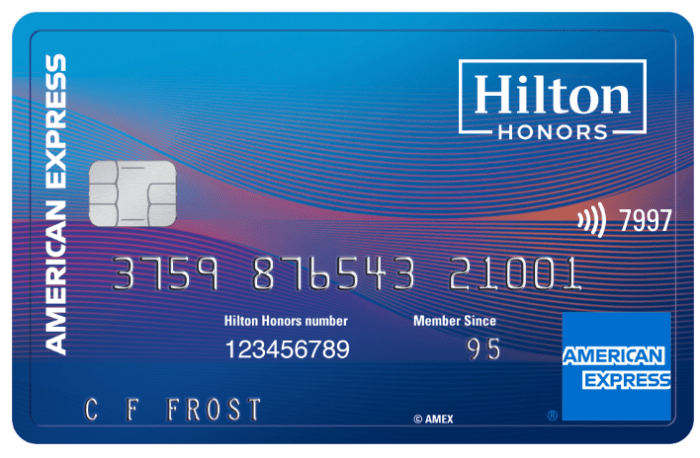
| Hilton Honors American Express Card | Hilton Honors | 2 points per $1 spent on eligible Hilton purchases and 1 point per $1 on other purchases | Redemption for Hilton stays, flights, and other travel experiences. | $0 (introductory) |
| World of Hyatt Credit Card | World of Hyatt | 2 points per $1 spent on eligible Hyatt purchases | Redemption for Hyatt stays, flights, and other travel experiences. | $0 (introductory) |
| Hyatt Credit Card from Chase | Hyatt | 2 points per $1 spent on eligible Hyatt purchases | Redemption for Hyatt stays, flights, and other travel experiences. | $0 (introductory) |
Note: Earning rates and redemption options can vary, and annual fees may apply. Always check the specific terms and conditions of the card before applying.
Benefits of Using Hotel Rewards Credit Cards

Hotel rewards credit cards offer a compelling way to maximize your travel experiences and potentially save money. They provide a structured system for accumulating points or miles that can be redeemed for a variety of travel benefits, including hotel stays, flights, and more. Understanding the advantages and strategies for utilizing these cards can significantly enhance your travel planning and budgeting.
These cards often provide more than just rewards; they frequently include valuable perks like travel insurance, which can offer peace of mind during unexpected travel disruptions. By strategically utilizing these cards, travelers can potentially offset the costs of travel and enhance their overall experience.
Earning Rewards Points for Hotel Stays
Accumulating rewards points for hotel stays directly translates to potential savings on future accommodations. The more you stay at participating hotels, the more points you accumulate, which can then be redeemed for free or discounted stays. This approach can significantly reduce the cost of lodging, especially during peak seasons or for longer trips.
Saving Money on Travel Expenses
Hotel rewards credit cards can help reduce travel costs in multiple ways. Beyond discounted or free hotel stays, these cards often allow for the accumulation of points or miles that can be used for flights, airport transfers, or other travel-related expenses. Combining rewards from different cards can maximize the value and create a comprehensive travel savings strategy. For example, a traveler might use one card for hotel stays and another for flights, accumulating points towards a free trip.
Maximizing Rewards Points and Miles
Strategies for maximizing rewards points and miles include careful selection of the right card based on your travel habits and preferences. Utilizing welcome bonuses, travel rewards programs, and signing up for associated hotel loyalty programs can enhance the value of your points. Regularly checking for promotional offers and using the card for everyday purchases can contribute to faster point accumulation.
Redeeming Hotel Rewards Points
Hotel rewards points can be redeemed in a variety of ways, directly impacting your travel choices. Common redemption options include hotel stays at participating properties, flights on partnered airlines, or the purchase of merchandise. Some programs also allow for the redemption of points for other travel services, like car rentals or tours. The specific redemption options are dependent on the particular rewards program.
Travel Insurance Benefits
Travel insurance benefits offered by these cards can provide financial protection in case of unforeseen events such as trip cancellations, delays, or medical emergencies. This protection can significantly mitigate financial risks associated with travel. The coverage often includes trip interruption insurance, baggage insurance, and emergency medical assistance. The specific details of the travel insurance policy should be carefully reviewed.
Comparison of Different Hotel Rewards Credit Cards
Choosing the right hotel rewards credit card can significantly enhance your travel experience and save you money. Understanding the nuances of different programs is crucial for maximizing rewards and minimizing fees. This section delves into the key comparisons between leading hotel rewards cards, helping you select the best fit for your travel style and spending habits.
The market offers a plethora of hotel rewards credit cards, each with unique benefits and drawbacks. A careful evaluation of annual fees, earning rates, redemption options, and associated perks is essential for making an informed decision.
Key Factors to Consider in Card Selection
Different factors influence the optimal choice of a hotel rewards credit card. Your travel frequency, preferred hotel chains, and spending patterns all play a role. A card that offers high earning rates on specific hotel chains might be ideal for frequent travelers to those brands. Conversely, a card with broader redemption options might suit someone who travels to a variety of hotels or uses points for non-hotel rewards.
Earning Rates and Annual Fees
The value proposition of a hotel rewards card hinges on its earning rate and associated fees. A high earning rate translates to more rewards for each dollar spent, but it often comes with a higher annual fee. Conversely, cards with lower earning rates might have lower or no annual fees. This balance must be carefully considered.
Redemption Options and Flexibility
The ability to redeem rewards is a critical aspect. Some cards offer flexibility in redeeming points for hotel stays, while others might limit redemption options to specific hotel chains. It’s vital to understand the redemption policies of each card to assess how effectively it aligns with your travel plans.
Example Comparison Table
| Card Name | Annual Fee | Points Earning Rate | Redemption Options | Other Benefits |
|---|---|---|---|---|
| Hilton Honors American Express Aspire Card | $95 | 2x points on Hilton stays, 1x on other spending | Wide range of Hilton properties, flexible transfer options | Lounge access, travel insurance |
| Marriott Bonvoy Boundless Credit Card | $0 | 3x points on Marriott stays, 1x on other spending | Extensive Marriott portfolio, transfer partners | No annual fee |
| World of Hyatt Credit Card | $0 | 10x points on Hyatt stays, 2x on other spending | Hyatt hotel network, flexible redemption options | No annual fee, early booking benefits |
This table provides a concise overview of three prominent cards. Note that earning rates and benefits can change, so always verify the latest information directly from the card issuer.
Impact of Travel Style and Spending Habits, Best hotel rewards credit card
A frequent traveler who prioritizes stays at a specific hotel chain might find a card focused on that chain particularly attractive. For instance, someone who prefers luxury hotels and stays at these properties frequently might find a card with high earning rates on luxury accommodations more beneficial.
Likewise, someone with diverse travel needs and spending patterns might prefer a card with flexible redemption options and broader spending categories. The best card for a given individual depends entirely on their specific travel preferences and spending habits.
Factors to Consider When Choosing a Hotel Rewards Card
Selecting the right hotel rewards credit card hinges on careful evaluation of various factors. A card that perfectly aligns with your travel preferences and spending habits can significantly enhance your travel experience and potentially save you money. Conversely, a poorly chosen card can result in missed opportunities and financial strain.
Understanding the nuances of annual fees, interest rates, spending patterns, redemption flexibility, travel insurance, and bonus categories is crucial for making an informed decision. Thorough analysis of these factors will lead to a more rewarding and financially sound travel strategy.
Annual Fees and Interest Rates
Annual fees are a significant consideration when evaluating hotel rewards cards. Some cards come with substantial annual fees, while others offer a free or low annual fee option. Understanding the value proposition is key. A card with a high annual fee must offer substantial benefits and rewards to justify the cost. Interest rates are equally important; high-interest rates can quickly erode any rewards earned, making a card with a lower interest rate a more attractive option, even if the rewards are slightly less.
Spending Habits and Travel Patterns
Individual spending habits and travel patterns significantly influence the best card choice. Frequent travelers, or those with substantial hotel spending, may find cards with high bonus multipliers on hotel stays particularly advantageous. Conversely, travelers who primarily use hotels for occasional stays may find a card with broader bonus categories more suitable. Consider the frequency and type of travel when making a choice. A card focused on specific hotel chains, like a Marriott or Hilton card, may be beneficial for someone who prefers those chains.
Redemption Flexibility and Terms
The flexibility and terms of redemption play a crucial role in maximizing the value of your rewards. Some cards offer straightforward redemption options, while others may have complicated rules and restrictions. Understand how points are redeemed, how many points are needed for a specific reward, and if there are blackout dates or restrictions. It is crucial to examine the redemption process to determine if it aligns with your travel plans. Some cards allow for flexibility in redeeming points for flights, activities, or other travel experiences, while others are limited to specific hotel stays.
Travel Insurance Coverage
Travel insurance coverage is an important aspect of a hotel rewards card. Evaluate the comprehensive nature of the coverage, including coverage for trip cancellations, medical emergencies, or lost luggage. The extent of travel insurance coverage may vary significantly among cards. Some cards offer travel insurance as part of the card benefits, while others require you to purchase separate insurance. The presence and details of travel insurance should be carefully reviewed to ensure it meets your travel needs.
Value of Different Bonus Categories
Different bonus categories for earning reward points offer varying levels of value. Cards offering significant bonus points for hotel stays are preferable for frequent hotel guests. However, cards with bonus points for a wider range of spending categories may be more suitable for those with diverse spending habits. A card offering bonus points for dining, gas, or other activities may offer more flexibility for your spending habits. Assess the value proposition of each bonus category to align with your overall spending patterns. Look for cards that have bonus categories that align with your travel style and spending habits.
Best Practices for Using Hotel Rewards Cards
Maximizing the value of hotel rewards credit cards requires a strategic approach. Understanding the nuances of earning and redeeming points, along with minimizing fees, is key to getting the most out of these cards. This section provides articles and practices to help you make the most of your hotel rewards program.
Earning Rewards Effectively
A proactive approach to earning rewards points is crucial for maximizing the value of your hotel rewards card. Consistent use of the card for eligible purchases, like travel expenses, can significantly increase your point accumulation. Consider using the card for everyday expenses where possible, as long as you can comfortably manage the associated spending and credit card interest.
- Prioritize eligible purchases: Focus on spending on eligible purchases, such as hotels, flights, and rental cars. This ensures your points are accruing at the highest possible rate.
- Track your spending: Use a budgeting app or spreadsheet to monitor your spending and identify areas where you can leverage the card’s benefits.
- Utilize the card for everyday spending: If it aligns with your budget, use the card for routine purchases, like groceries or gas, to build up your points faster. Be mindful of potential interest charges, and maintain a balance you can comfortably manage.
Redeeming Rewards Strategically
Understanding the redemption process is just as important as earning points. Different programs have various redemption options, including booking directly through the hotel rewards portal or utilizing points for other travel needs. Carefully consider the redemption terms and conditions before making a decision.
- Review redemption options: Evaluate the different redemption options available and choose the one that best suits your travel plans and desired benefits.
- Compare redemption rates: Ensure you’re getting the best value for your points by comparing the redemption rates offered by various programs.
- Book directly through the hotel rewards portal: Often, booking directly through the hotel rewards portal offers better value and access to exclusive benefits, including potential discounts or upgrades.
Minimizing Fees and Maximizing Benefits
Careful management of your credit card usage can minimize fees and maximize benefits. Understanding the terms and conditions of the card, along with responsible spending habits, is essential for avoiding unnecessary charges.
- Pay your balance in full each month: This is a critical practice for avoiding interest charges and penalties.
- Set spending limits: Establishing spending limits can prevent overspending and ensure you stay within your budget.
- Monitor your credit report regularly: Keeping an eye on your credit report helps you identify any discrepancies or fraudulent activity promptly.
Maximizing Rewards Value
Certain strategies can maximize the value of your rewards points. These strategies can involve combining rewards programs, taking advantage of special promotions, and staying informed about new offers.
- Combine rewards programs: If possible, combine your hotel rewards program with other travel rewards programs to maximize your overall rewards potential.
- Look for special promotions: Be on the lookout for special promotions, bonus points, or discounts offered by hotel chains or credit card companies.
- Stay informed about new offers: Keep up-to-date on new rewards programs and offers to take advantage of potential opportunities to increase your points.
Understanding Terms and Conditions
Thorough comprehension of the terms and conditions is paramount for successful use of the credit card. Carefully reviewing the terms and conditions can help avoid surprises and ensure compliance with program guidelines. Paying close attention to fees, rewards-earning requirements, and redemption policies will optimize your experience.
- Read the fine print: Pay careful attention to the fine print, including details on fees, rewards earning requirements, and redemption policies.
- Understand the terms and conditions: Familiarize yourself with the specific terms and conditions of the credit card, including any restrictions or limitations.
- Ask questions: If you have any doubts about the terms and conditions, don’t hesitate to contact the credit card issuer for clarification.
Reviewing Spending Statements
Regular review of spending statements is crucial for detecting any inaccuracies or potential fraudulent activity. This proactive approach helps maintain the accuracy of your account and protects you from unauthorized transactions.
- Check your statements regularly: Regularly review your spending statements to ensure accuracy and identify any suspicious activity.
- Report discrepancies promptly: If you notice any discrepancies, report them to the credit card issuer immediately.
- Monitor for fraudulent activity: Keep a close eye on your statements for any unauthorized transactions and report them promptly.
Potential Drawbacks and Risks: Best Hotel Rewards Credit Card
Source: money.com
While hotel rewards credit cards offer enticing benefits, it’s crucial to be aware of potential drawbacks and associated risks. Understanding these aspects will help you make informed decisions and use these cards responsibly. Ignoring these considerations could lead to financial difficulties.
Careful consideration of the potential downsides is vital for responsible credit card use. A lack of awareness can result in unexpected expenses and difficulties in managing finances.
High Annual Fees
Annual fees can significantly impact the overall value proposition of a rewards card. Some cards come with substantial annual fees, which need to be weighed against the potential rewards and benefits. For instance, a card with a $100 annual fee might not be worthwhile if the rewards earned do not exceed this cost over a period of time. Be sure to factor in these fees when assessing the long-term value of the card.
Interest Rates and Debt Management
Hotel rewards cards, like other credit cards, typically carry interest rates. If you carry a balance from month to month, interest charges can quickly accumulate. Responsible debt management is crucial; failing to make timely payments can lead to high interest charges and damage your credit score. It’s important to establish a budget and stick to it to avoid exceeding your credit limit and incurring interest. If you anticipate difficulties in paying off your balance each month, consider a card with a lower interest rate or explore options for paying off debt.
Credit Card Terms and Conditions
Thorough review of the terms and conditions is paramount to understanding the specifics of the card. Many cards have complex terms, including details on rewards redemption, fees, interest rates, and grace periods. Carefully scrutinize these details to ensure they align with your financial goals. Ignoring these crucial aspects could lead to unpleasant surprises down the line.
Overspending and Budgeting
The allure of rewards can sometimes lead to overspending. Establish a clear budget and stick to it. Rewards should be an incentive, not a justification for exceeding your financial limits. Overspending can quickly derail your financial plans and lead to accumulating debt. Prioritize needs over wants and allocate funds appropriately to prevent overspending. Set realistic spending limits and track your spending regularly.
Late Payments and Missed Payments
Late or missed payments can severely impact your credit score. This negative effect can hinder your ability to obtain loans, rent an apartment, or even secure a job in the future. Always ensure payments are made on time to maintain a positive credit history. If you anticipate difficulty in making timely payments, explore options like setting up automatic payments or utilizing budget management tools to prevent late payments. Having a plan in place to handle potential payment issues is crucial.
Example of a Detailed Card Review
The Marriott Bonvoy Boundless Credit Card offers a compelling blend of hotel rewards and travel benefits, making it an attractive option for frequent travelers. Understanding its specific features and comparing it to other cards in the market provides a clear picture of its value proposition. This review delves into the card’s strengths, weaknesses, and potential for maximizing rewards.
This detailed analysis will provide a comprehensive understanding of the Marriott Bonvoy Boundless Credit Card, helping potential cardholders make an informed decision. It will include a comparison to similar options, a breakdown of its key features, a case study highlighting successful reward redemption, and a visual representation of the redemption process.
Benefits and Drawbacks of the Marriott Bonvoy Boundless Card
The Marriott Bonvoy Boundless Credit Card boasts numerous advantages, but also presents some potential downsides. Understanding both sides is critical for a balanced assessment. Rewards programs often involve trade-offs. For example, while a high sign-up bonus may entice initial application, ongoing benefits might not match the initial allure.
- Benefits: The card offers substantial rewards for stays at Marriott properties, including points earned on hotel stays, dining, and other purchases. A notable perk is the potential for complimentary nights at hotels, which can be especially valuable for frequent travelers.
- Drawbacks: The annual fee might be a significant deterrent for those who don’t travel frequently enough to accrue sufficient rewards to offset the cost. Additionally, the redemption process for non-Marriott properties might not be as lucrative compared to other options.
Comparison to Other Hotel Rewards Cards
The Marriott Bonvoy Boundless Card competes with various other hotel rewards programs. A crucial aspect of comparing cards involves understanding the value proposition of each program, particularly regarding redemption rates and earning potential.
| Feature | Description | Pros | Cons |
|---|---|---|---|
| Marriott Bonvoy Boundless | Focuses on Marriott properties with a potentially high value for frequent Marriott travelers. | High earning potential on Marriott stays. | Limited redemption options outside Marriott. |
| Hilton Honors American Express Card | Offers strong rewards for Hilton stays. | Excellent rewards for Hilton stays. | Limited earning potential on non-Hilton purchases. |
| World of Hyatt Credit Card | Provides significant rewards for stays at Hyatt properties. | High earning potential on Hyatt stays. | Limited redemption options outside Hyatt. |
Case Study: Successful Reward Redemption
Sarah, a frequent business traveler, utilized the Marriott Bonvoy Boundless Card to accumulate points for a family vacation. By booking stays at Marriott hotels during peak travel periods, she maximized her earning potential. She meticulously tracked her spending and strategically used the card for eligible purchases. The family vacation was largely funded by her accumulated points. This case study exemplifies how the card can effectively fund travel.
“The Marriott Bonvoy Boundless Card has been a game-changer for our family vacations. We’ve managed to leverage the rewards to pay for flights and accommodation, making our travels significantly more affordable.” – Sarah
Visual Representation of the Redemption Process
[Flowchart Image Description: A simple flowchart illustrating the Marriott Bonvoy redemption process. The flowchart begins with a user accumulating points through eligible spending. It then branches to different redemption options: hotel stays, flights, and other merchandise. The flowchart shows the various steps involved, such as choosing a redemption method, specifying the desired reward, and completing the redemption request.]
Closure

Source: thriftypoints.com
In conclusion, selecting the best hotel rewards credit card depends on individual needs and priorities. Careful consideration of annual fees, earning rates, redemption options, and travel patterns is essential. This guide has provided a comprehensive overview of the available options, enabling you to make informed decisions about your travel spending and maximize the value of your rewards. Remember to prioritize responsible credit management and understand the terms and conditions to avoid any potential pitfalls.